


























































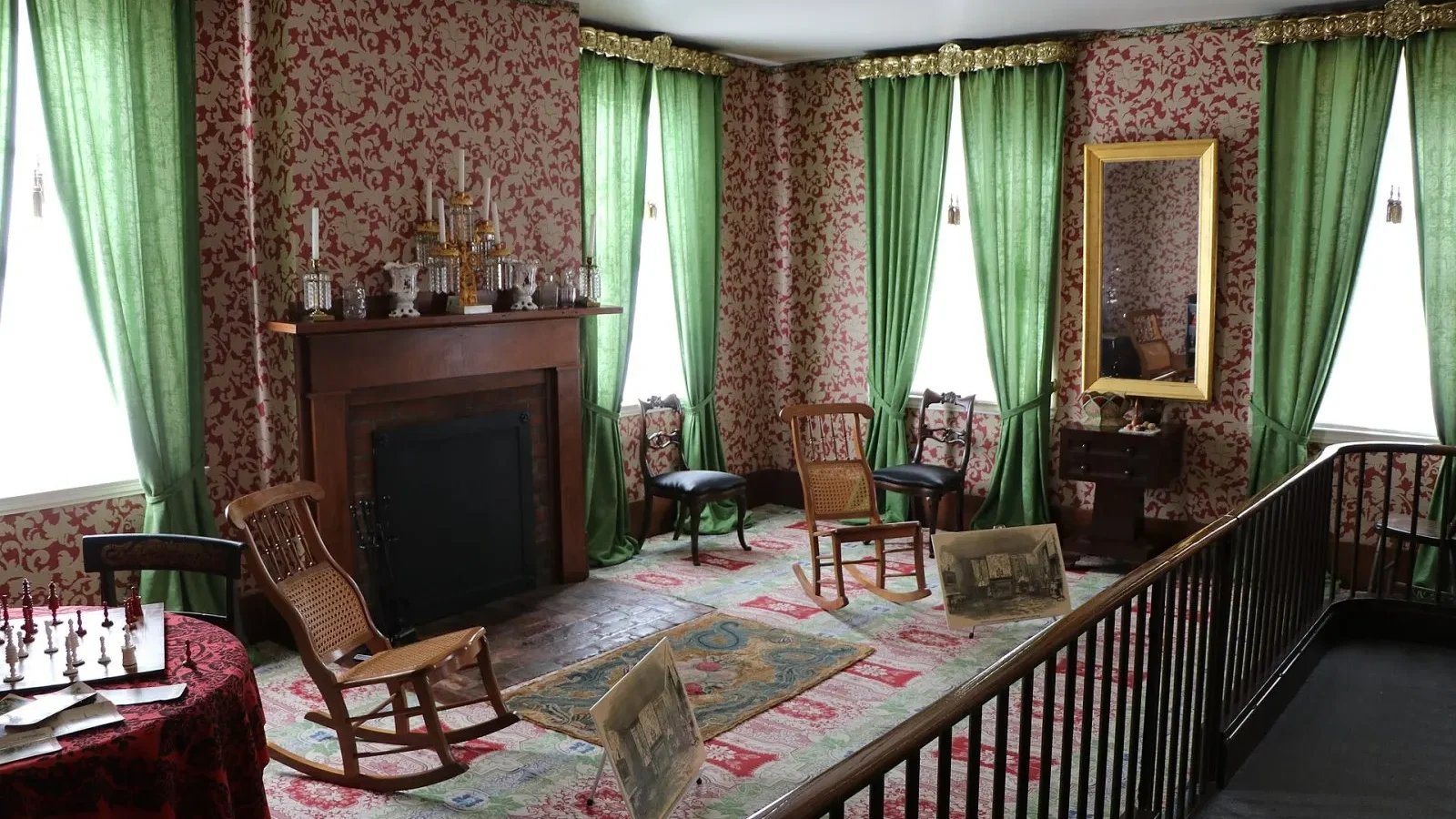
The transformation of an old apartment
We take you step by step through the restoration by an architect couple who turned a 1960s apartment into a modern living space while keeping its original character.
The third-floor apartment in a building from the 1960s sat empty for years without catching anyone's eye. The moment architects Ellie and Kieran Bolton saw it, they recognized the potential of its tiled floors, wooden window frames and high ceilings. Over a year-long restoration, they managed to create a home that meets the needs of modern life while preserving the building's original character. We heard the story of the transformation from them.
In this article
- Preserving the original details
- Letting the light in
- Old and new in harmony
Preserving the original details
The first decision of the restoration was what to keep. The Boltons decided to leave the patterned tile floors, the wooden window frames and the cornices on the high ceilings in their original state. They photographed and numbered every element, went through each piece with craftspeople to see what could be repaired, and drew up an inventory. That inventory also guided their budget planning.
The decision to preserve made sense not only aesthetically but also in terms of sustainability. A wooden window frame that has stood for decades can, when properly repaired, outlast a new one. The architects explained that some of the original tiles were broken, but they completed the patterns with similar pieces salvaged from another old building. The result is a subtle layer of memory in the floor that no one would notice.
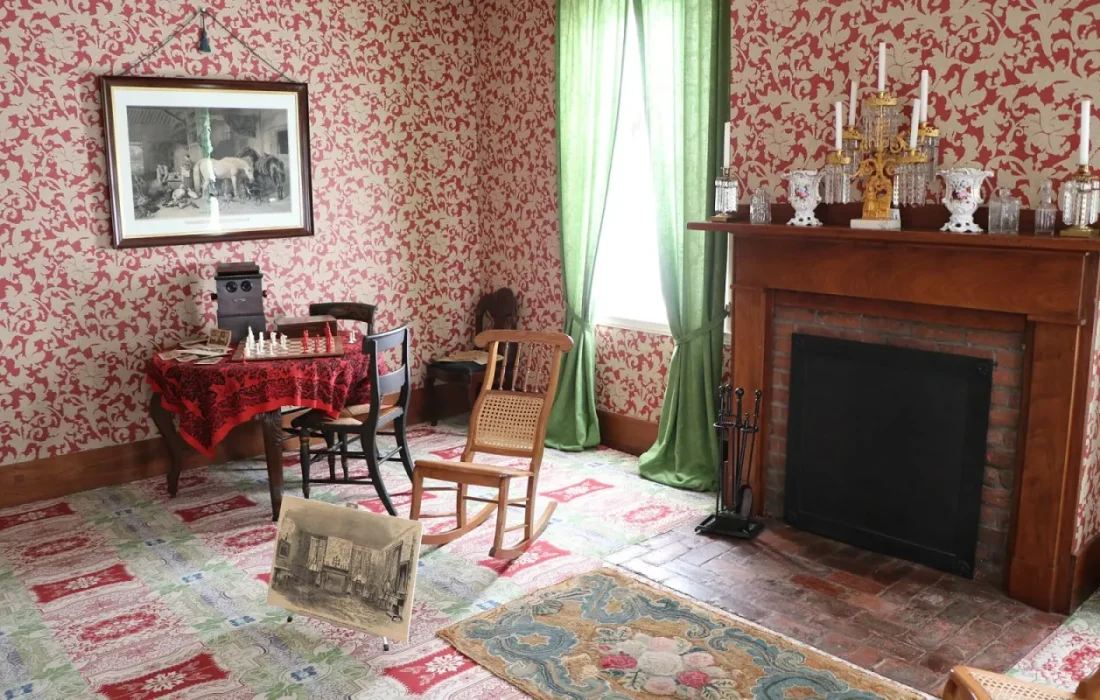
Renovating an old house begins with respecting its memory.
Sophie Laurent
Letting the light in
The biggest problem with the 1960s apartment was that light came in only through the front of the building. Rather than removing some of the interior walls, the couple brought light into the hallway with a glazed partition and translucent doors. The solution left the building's structure untouched and noticeably improved the flow between rooms. The morning sun now reaches all the way to the end of the hallway.
Wet areas like the kitchen and bathroom were rethought. The kitchen was linked to the living room with an open counter to strengthen the connection between them, while the walls of the small bathroom were finished in light-colored plaster to make it feel more spacious. For lighting, warm-toned lamps placed at different points were chosen over a ceiling light. As a result, the apartment takes on a cozier, softer atmosphere in the evening.
Old and new in harmony
Harmony between old and new was what the couple focused on most. They kept the modern furniture simple and neutral, and used a few pieces bought from antique dealers as accents. The result feels neither like a museum nor like a cold interior clashing with the old fabric. For every new item, the couple asked themselves: “Can this hold a conversation with the room?”
| Topic | Architecture |
|---|---|
| Highlights | interior design, sustainability, handmade |
| Reading time | 8 minutes |
| Written by | Sophie Laurent |
Key takeaways
- The restoration began with an inventory of elements to preserve.
- Light was carried into the hallway with glazed partitions, without knocking down walls.
- Simple new furniture and a few antiques created harmony.
The choice of materials supported that harmony too. Natural oak floorboards, lime-based paints and handmade ceramic tiles got along well with the apartment's original tiles. Where the budget was tight, they used repurposed furniture and the work of local craftspeople. As the architects put it, the home that emerged after a year isn't a new house but an old one that has found itself again.


2 Comments
Really useful piece, thank you for putting it together.
I had never thought about this side of it. Looking forward to a follow-up.