



























































Creative professions are seen as work done with passion, but that passion can sometimes make people forget their own limits. Revisions that run late into the night, emails answered on weekends and constant pressure to come up with new ideas can quietly build up into burnout. Workplace psychologist Selena Orr stresses that signs such as loss of inspiration, persistent fatigue and no longer enjoying work should be taken seriously. Orr also reminds us how important it is to seek support from a professional when symptoms persist.
In this article
- The cost of becoming your work
- Early signs that get overlooked
- Learning to set boundaries
The cost of becoming your work
Over-identifying with your work is common in creative professions and hard to notice. It's lovely when what you make is part of your identity, but it can make every critique feel like a personal attack. Selena Orr explains that as this identification grows, the failure of the work is experienced as personal failure, and even rest starts to trigger guilt.
Unclear working hours and constant pressure to produce reinforce the picture. Creative work isn't something you can put down at the end of the workday; ideas can come in the shower, on the road or at midnight. Orr says this flexibility is an advantage, but it can also erase boundaries. Recognizing the cost of over-identification is therefore seen as the first step toward prevention.
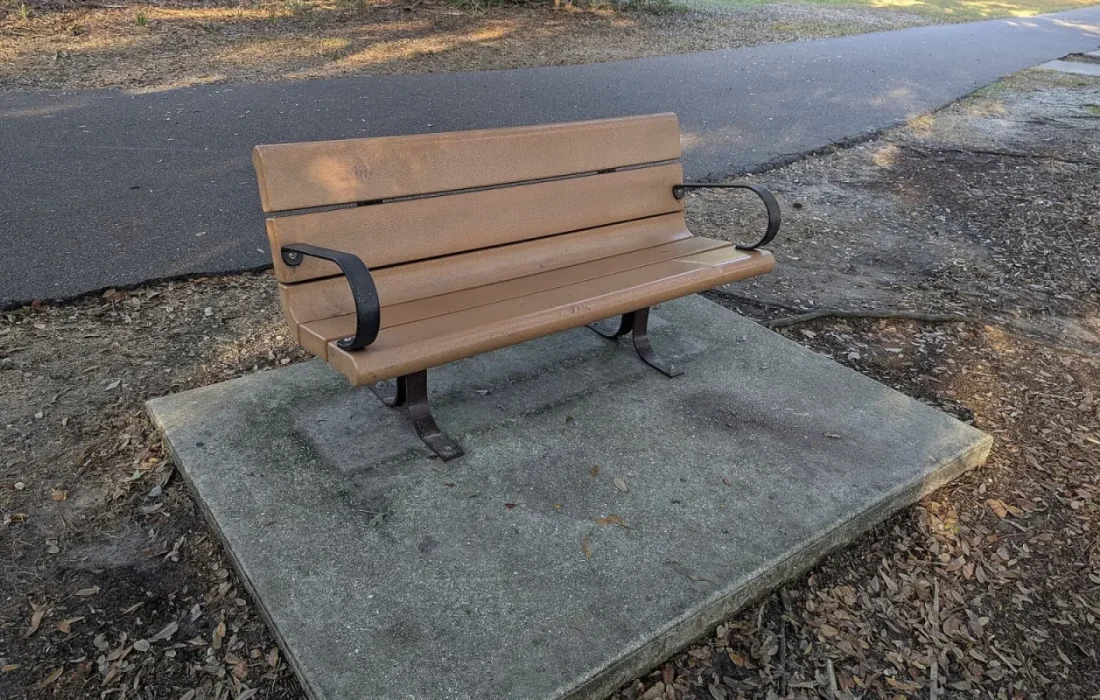
Rest is part of creative work, not time stolen from it.
Ethan Brooks
Early signs that get overlooked
Early signs that get overlooked include persistent fatigue, no longer enjoying work and loss of inspiration. According to Orr, people first start spending their weekends working too, then approach even their favorite projects reluctantly. Disrupted sleep, frequent impatience and blowing even small tasks out of proportion are also among the signals to watch for.
It's worth remembering that these signs alone don't amount to a diagnosis; not every busy period is burnout. But if symptoms last for weeks or affect daily life, seeking support from a professional is important. Orr stresses that looking at yourself honestly isn't a weakness but a skill needed for a sustainable career. Listening to what the people close to you have noticed can help too.
Learning to set boundaries
Learning to set boundaries is at the heart of preventive habits. Setting working hours, turning off notifications outside them and keeping at least half a day each weekend completely work-free are the simple steps Orr recommends. Clarifying communication hours with clients from the start also reduces unnecessary pressure. Choosing a single channel for emergencies and leaving everything else to working hours makes room for the mind to truly rest.
| Topic | Career |
|---|---|
| Highlights | career, productivity, remote work |
| Reading time | 7 minutes |
| Written by | Ethan Brooks |
Key takeaways
- Over-identifying with work can make criticism feel personal.
- Persistent fatigue and loss of enjoyment are among the early signs.
- Clear working hours and real rest are preventive habits.
It's also important to see rest not as separate from work but as part of it. Short walks, hobbies unrelated to work and regular sleep are considered the fuel of creativity. Orr recommends actually taking your annual leave and staying away from work messages on vacation. This article is for general information only; if you feel constantly exhausted, the best course is to talk to a health professional.


Leave a comment