












AI-generated fake audio: A new era at the fact-checking desk
Fake audio clips putting words in the mouths of famous people are spreading fast on social media. In our video, we explain the methods our fact-checking team uses.

Table of contents
The spread of AI voice-cloning tools has opened a new front in the fight against disinformation. Fake recordings that can be generated from a voice sample just a few seconds long are circulating in messaging groups and are hard to tell apart from the real thing. Paula Ames, editor of our fact-checking team, explains that in most fake recordings, inconsistencies in breathing pauses, background noise and intonation give them away. But in a field where the technology is advancing so quickly, tracing the source is still more effective than relying on any single tool. In our video, we walk through the verification process step by step using examples we examined over the past month.
How is fake audio made?
Voice-cloning tools can build models that imitate a person's voice from just a few seconds of their speech. The process is simple: upload a short sample, type the text, and within minutes you have a convincing recording. Every suspicious recording that reached our fact-checking desk over the past month came from messaging groups, had no clear source and usually stirred a sense of urgency.
The most common pattern in these recordings is a familiar voice urgently asking for money or information, or giving the impression of speaking on behalf of an institution. We noticed that the generated voice is sometimes too clean, and sometimes the breathing pauses are too regular. Paula Ames stresses that these inconsistencies aren't always obvious, which is why the team never decides based on a single clue.
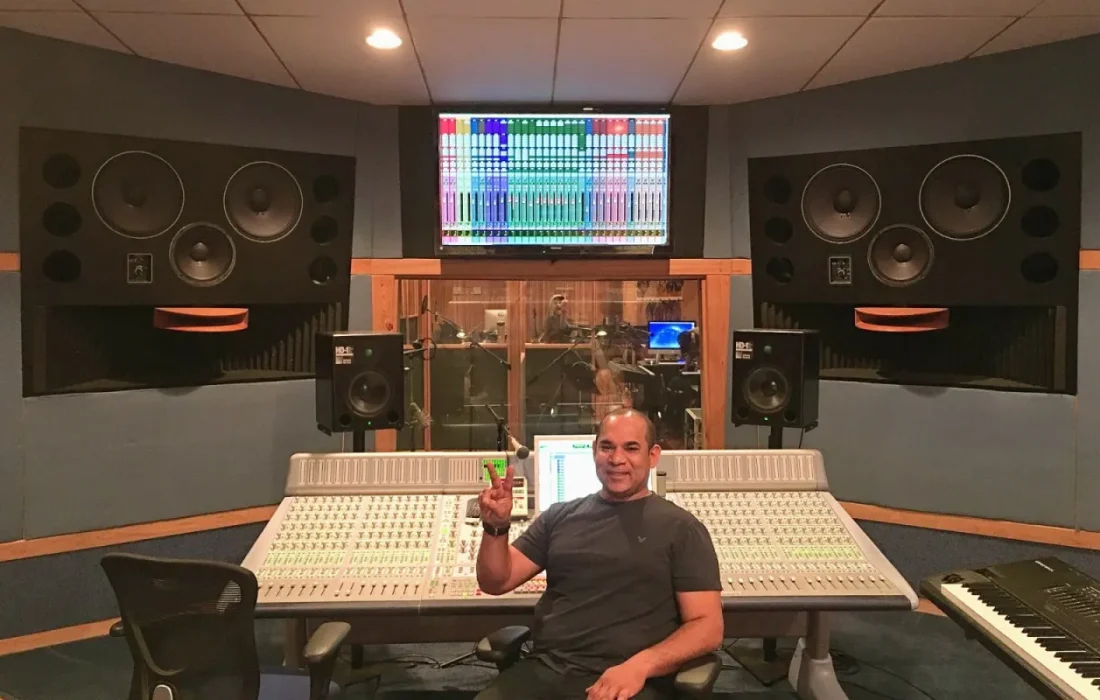
Before you trust your ears, check the source.
Jake Morales
The tools we use for verification
Our verification process has three stages. First, we find where and when the recording first spread. Next, we examine the audio file through its waveform and spectrogram, looking for traces such as background noise that stays constant or intonation that repeats at the end of sentences. In the final stage, we check the recording's claim against independent sources and the institution concerned.
Some of the tools we use try to detect AI-generated content, but we don't present their results as conclusive proof. Detectors can sometimes flag real recordings as fake and fake recordings as real. So when we explain a result, we spell out which methods we used and how confident we are; if there is uncertainty, we say so.
How can readers protect themselves?
The first rule for readers: however convincing a familiar voice sounds, don't respond right away to a recording that asks for money or information. Calling the person through another channel, agreeing on a verification question only the two of you know and treating rushed requests with suspicion will defeat most attempts. These two simple habits often stop a scam before it even starts.
| Topic | Science & Technology |
|---|---|
| Highlights | disinformation, artificial intelligence, transparency |
| Reading time | 6 minutes |
| Written by | Jake Morales |
Key takeaways
- A voice sample of just a few seconds can be enough for a convincing clone.
- Verification involves tracing the source, analyzing the audio and testing the claim.
- Never answer a familiar voice asking for money without calling back on another channel.
The second rule is to ask about the source before sharing recordings that arrive in messaging groups. If you have doubts about a recording, you can send it to our fact-checking desk, but don't spread it to others first. In our video, we walk through three of the examples we examined over the past month from start to finish, showing what we looked at and at which stage. Checking the source before you trust your ears is still the most reliable method we have.
Leave a comment