

























































Antibiotic resistance: Notes from the pharmacy counter on a silent pandemic
Careless antibiotic use is making treatable infections dangerous again. We spoke with pharmacists and doctors.
Table of contents
Antibiotic resistance is a global public health problem that experts have long described as a silent pandemic. Unnecessary or unfinished courses of antibiotics allow bacteria to develop resistance to the drugs. Pharmacist Gina Yale, whom we interviewed, says she often sees patients asking for antibiotics even for viral infections such as the common cold. Infectious disease specialists stress that responsible use of medicines is not only an individual responsibility but a collective one. In our video, we explain in plain language how resistance develops and what can be done about it.
How does resistance develop?
Antibiotic resistance arises when bacteria develop defenses against the drugs designed to kill them. When an antibiotic is used, most bacteria die, but the ones that are more resistant to the drug can survive. As these bacteria multiply, the same drug may be less effective the next time it's used. The process can be fast or slow, but it gathers pace as use increases.
According to doctors, the main causes of resistance are unnecessary use, incomplete doses and stopping treatment too early. Using antibiotics for an illness caused by a virus not only doesn't help but increases resistance. Experts point out that which drug to use, at what dose and for how long must always be decided by a doctor. This video is for information only; for personal treatment, consult a doctor.

The antibiotic we misuse today may not work tomorrow.
Sarah Bennett
Requests at the pharmacy counter
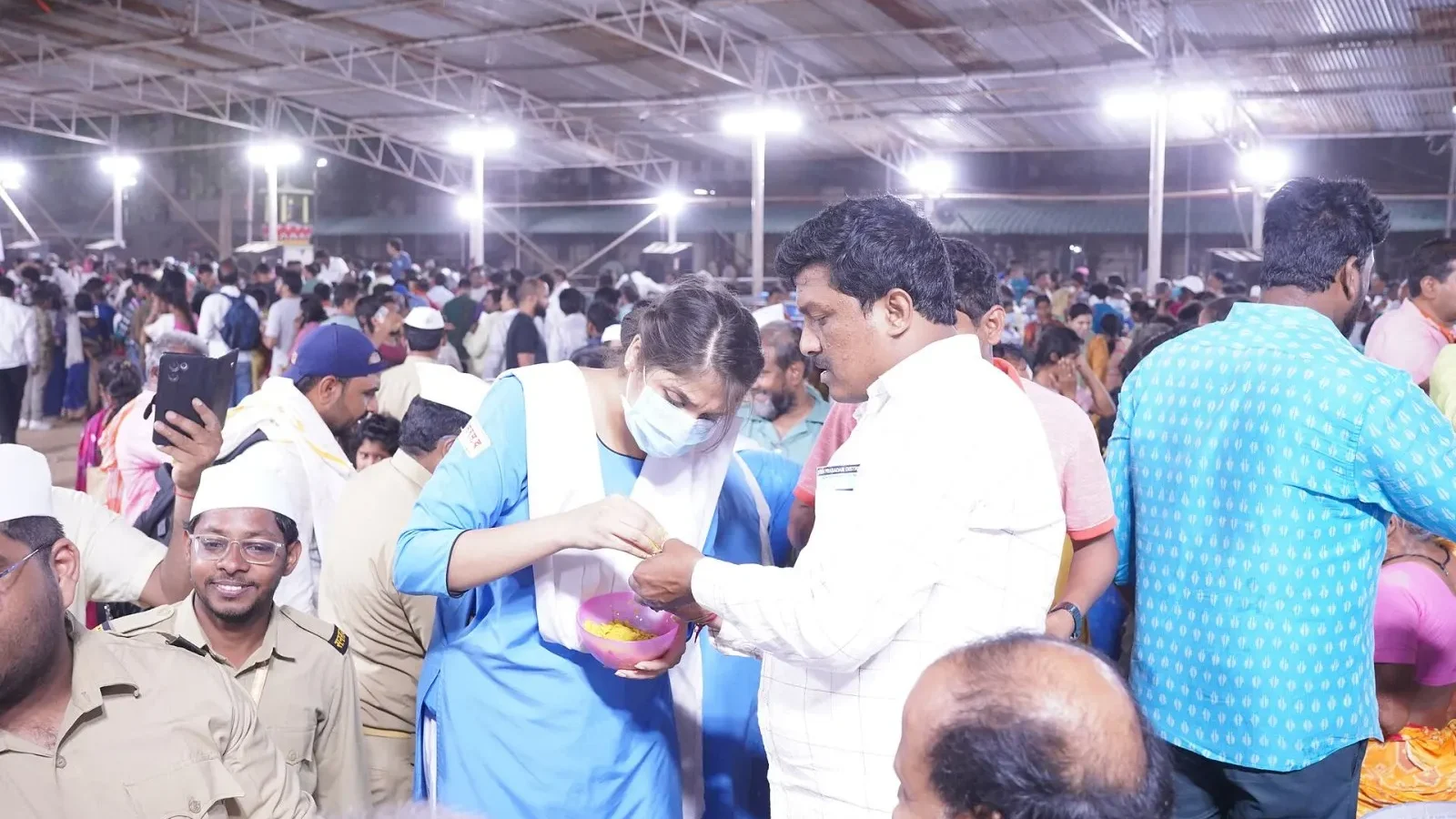
Pharmacist Gina Yale, who deals with this problem at the pharmacy counter every day, says some patients ask for antibiotics without a prescription and others want to use leftover medicine from a previous course. Requests come in even for viral illnesses such as colds or flu. Yale says that in these cases she tries to calmly explain to the patient why she can't give them the drug.
For pharmacists, these conversations take time, but they're valuable. Once patients hear the explanation, they usually understand. Yale thinks nearly all patients really just want to get better quickly, and that wish often turns into a mistaken belief about medicine. Pharmacists' role in educating patients is one of the least visible parts of the fight against resistance on the ground.
Individual and collective responsibility
According to infectious disease specialists, resistance may look like a personal choice, but it's a collective problem. An antibiotic one person uses unnecessarily can enlarge the pool of resistant bacteria in the community. That can make someone else's treatment harder down the line. That's why responsible use of medicines is described as a kind of shared responsibility. This perspective links medicine not only to one's own health but also to the health of the people around them.
| Topic | Health |
|---|---|
| Highlights | public health, health system, investigation |
| Reading time | 6 minutes |
| Written by | Sarah Bennett |
Key takeaways
- Unnecessary or unfinished antibiotic use can increase resistance.
- Pharmacists often get requests for antibiotics for viral illnesses.
- Use antibiotics only on a doctor's advice and for the recommended length of time.
At the end of our video, experts offer a short checklist: use antibiotics only when a doctor recommends them, continue treatment for as long as the doctor says, don't keep leftover pills or give them to others, and don't neglect hand hygiene and vaccinations. Hospitals and health authorities are also working to prevent and monitor infections. The antibiotic we misuse today may not work tomorrow.


Leave a comment