

























































Sculptor Daphne Arden: “A figure is already waiting inside the stone”
We met sculptor Daphne Arden, who works in marble and basalt, in her studio. We talked about her relationship with her materials and the preparations for her new exhibition.
Table of contents
Step into Daphne Arden's seaside studio and the first thing you notice is the fine stone dust that has settled everywhere. Working in marble and basalt for more than twenty years, the artist describes sculpture not as creation but as discovery. Among the large-scale works she is preparing for a new exhibition opening next month, she talked about her patient relationship with her materials and the doubts that come with making. Our conversation kept returning to one question: why art needs slowness.
A morning in the studio
The studio sits in a building with large windows on a hillside overlooking the sea. Arden's day begins at six in the morning; she spends the first hours drinking coffee, walking around the stones and looking at them. She places great importance on this time spent looking, because in her view deciding which way to cut a stone is the hardest and most valuable part of the work.
The studio walls are covered in sketches, its corners filled with unfinished sculptures. Arden explains that a work can sometimes wait for years and sometimes be finished in a week. She doesn't listen to music while she works; the sound of hammer and chisel is rhythm enough. Very few people enter the studio during the day, and she believes silence is part of the job anyway.
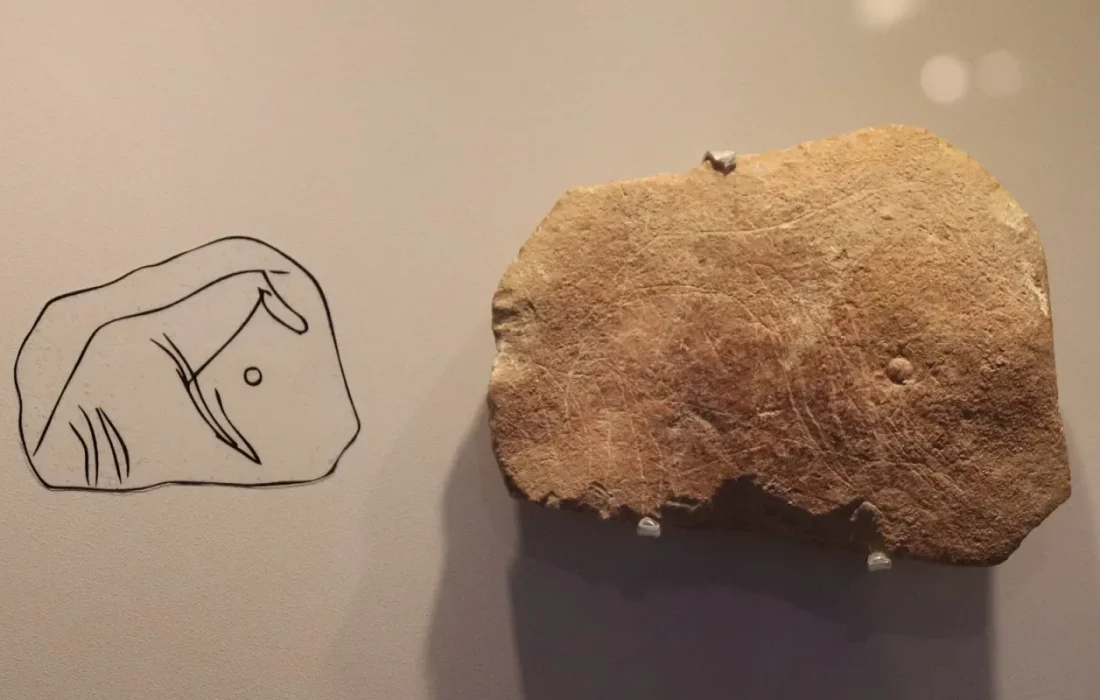
A figure is already waiting inside the stone; I simply remove what's extra.
Emily Carter
What the material says
Arden describes her relationship with her materials as a conversation. She says the veins of marble, the hardness of basalt and each block's own cracks guide her. Sometimes a stone rejects the planned figure and moves toward a different form, and the artist takes this not as defeat but as something the stone has to say. That is why she doesn't try to copy the drawings in her sketchbooks onto the stone exactly.
She sums up the difference between marble and basalt this way: Marble takes light in, basalt gives it back. That is why she shapes her marble works in a soft language and her basalt pieces in a more angular, heavier one. The artist sees the choice of material less as an aesthetic preference than as a stance. Her advice to young sculptors is to get to know the stone first and only then touch it.
The story of the new exhibition
The new exhibition opens next month in a large museum gallery. Arden has prepared twelve large-scale works for the show, some of which will be seen for the first time. She spent weeks working with the curators on the layout, aiming to let visitors walk around the sculptures and view them from different angles. The exhibition design is built to show how light changes on the surface of the stone throughout the day, and each work has room to breathe.
| Topic | Interviews |
|---|---|
| Highlights | interview, contemporary art, museum |
| Reading time | 9 minutes |
| Written by | Emily Carter |
Key takeaways
- Arden begins by walking around the stone and looking at it for a long time.
- Marble and basalt have different characters that shape the artist's formal language.
- The new exhibition will bring together twelve large-scale sculptures in a museum gallery.
The hardest part of preparing for the exhibition was moving the stones. Several works required heavy cranes to get them out of the studio. Arden, however, recounts these difficulties with relish. At the end of our conversation, we asked why art needs slowness in an age of fast production. Her answer was short: Because stone doesn't like to be rushed, and neither does looking.
What do you think about this post?
Leave a comment