




























































The poetry of black and white: A retrospective of photographer Nora Sinclair
A retrospective of Nora Sinclair, who spent a fifty-year career documenting the faces of the countryside and the transformation of its cities, has opened to visitors.
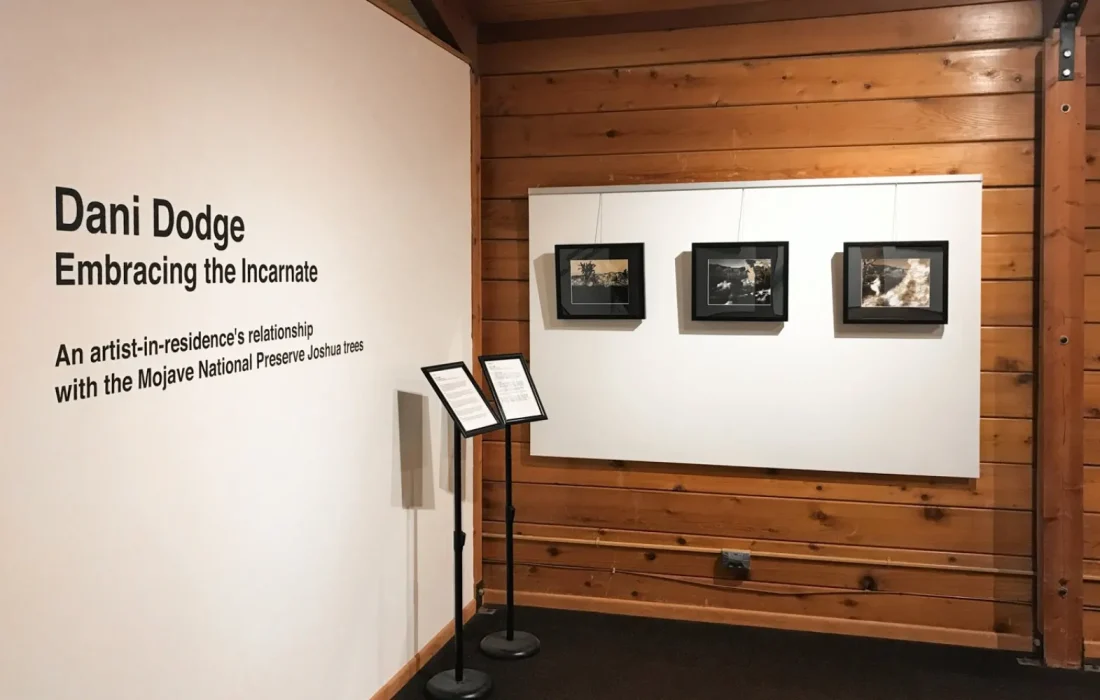
Table of contents
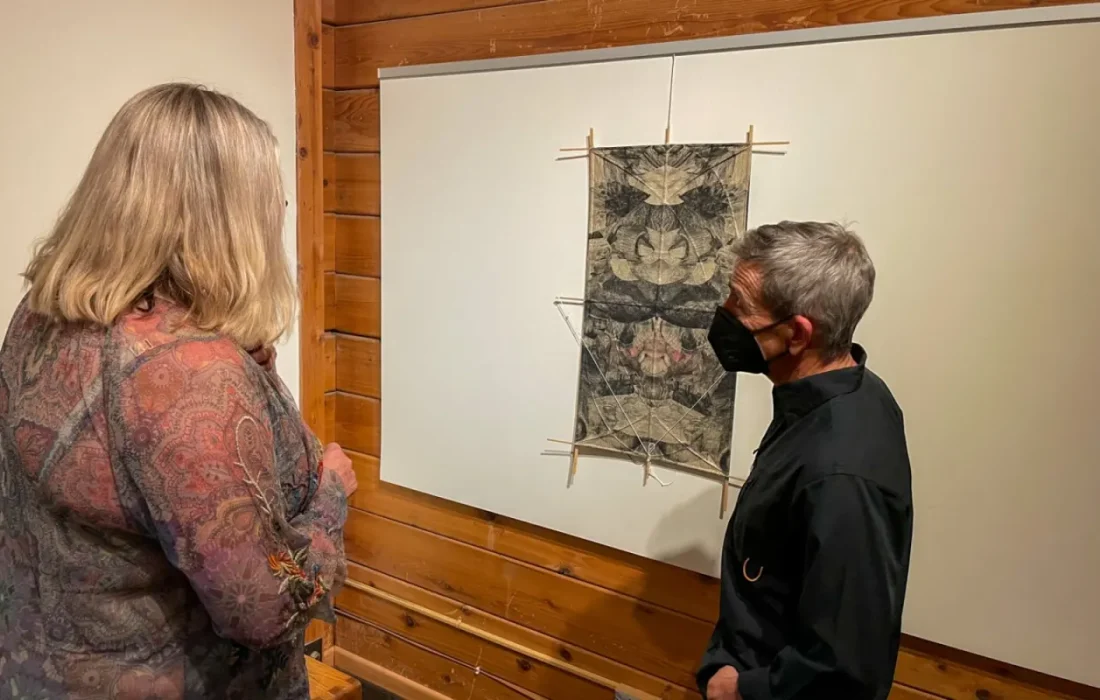
Bringing together fifty years of work by photographer Nora Sinclair, the retrospective greets visitors with more than two hundred black-and-white photographs. Portraits Sinclair took in rural villages hang alongside street photographs documenting the rapid transformation of cities. Rather than following a chronological flow, the exhibition is arranged by theme, and each section is accompanied by the artist's own notes. Including original prints made by hand in the darkroom, the show is not to be missed by photography lovers.
Fifty years through the lens
The exhibition's opening section consists of small prints chosen from the artist's early years. Here, portraits taken in rural villages typically frame a single figure and the landscape around them in careful balance. The trust Sinclair built with the people she photographed shows in their gaze; the naturalness of the portraits conveys that long-standing closeness.
The starting point of fifty years of work is the curiosity of a young woman who had just got her first camera. Notes on the gallery walls describe how the photographer developed her first rolls of film by hand and how she opened her first exhibition with limited means. Visitors say reading these personal stories alongside the photographs heightens the show's emotional impact. Old exhibition invitations and working notebooks are also on display in the cases.
Black and white whispers what color cannot say.
Emily Carter
The changing face of the city
The second section is devoted to the rapidly changing face of the city. By photographing the same street in different decades, Sinclair makes visible how building facades, shop signs and people have changed. Placed side by side, the images let us trace a city's memory step by step. The method suggests how change accumulates slowly until, at some point, it becomes a radical transformation. Wall texts in the exhibition give the years and places in which the photographs were taken in detail.
One of the standout works shows a market photographed in three different eras. The first frame shows a crowded, noisy bazaar, the second a half-empty passage and the third a renovated shopping street. Because Sinclair avoids a nostalgic gaze, the images become not an act of mourning but a document of witness.
From darkroom to gallery
The final section of the exhibition tells the story of the hours the artist spent in the darkroom. The original prints were made using the gelatin silver process on carefully chosen papers. In one corner of the room, the artist's old enlarger and developing trays are on display, and visitors can examine them up close. A short text describing the printing process explains why every handmade print is unique. Patient darkroom work, a form of labor rarely seen in the digital age, leaves a strong impression on visitors.
| Topic | Photography |
|---|---|
| Highlights | photography, museum, documentary |
| Reading time | 7 minutes |
| Written by | Emily Carter |
Key takeaways
- The retrospective groups more than two hundred black-and-white photographs by theme.
- Images of the same streets across different decades make the transformation of cities visible.
- Original prints and the artist's notes bring the darkroom craft into view.
The catalogue texts explain the thinking behind each section and include excerpts from the artist's diaries. Many young photographers are among the visitors; plenty of them linger in front of the display cases to study the subtle tones of the prints. The exhibition runs until the stated closing date, with guided tours on weekends. Groups are advised to book in advance.
What do you think about this post?
Leave a comment