










































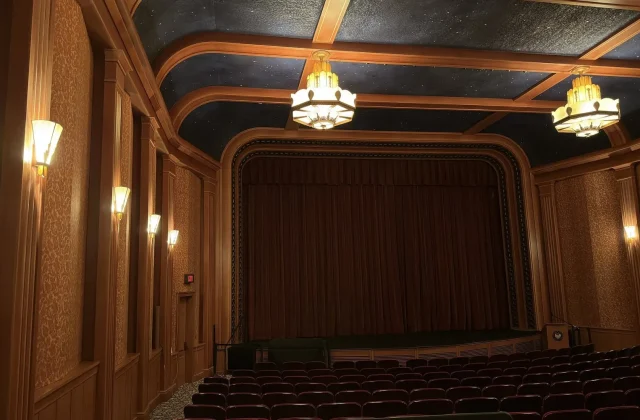
The rise of documentary film: Real stories conquer the big screen
Helped along by streaming platforms, interest in documentary film grows every year. In our video interview, directors explain the deep bond real stories form with audiences.
Table of contents
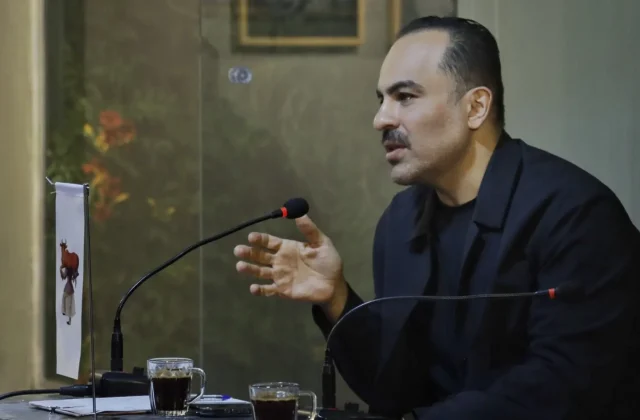
For many years, documentaries could find a home only in festival programs and late-night television slots. With the spread of streaming platforms, however, documentary film has begun to reach large audiences. In our video interview, three documentary directors who returned from international festivals with awards for their latest films talk about the challenges of telling real stories, shoots that last for years and the responsibility they bear toward the people in front of the camera. The directors agree that audiences' curiosity about reality has never been stronger.
Audiences turn to documentaries
One of the directors believes the growing interest in documentaries comes from people being drawn less to fiction than to the strangeness of reality. In her view, while everything on streaming platforms is consumed quickly, documentaries give viewers the chance to look at a subject in depth. For audiences worn out by short videos, this is a kind of rest. Viewers turning to documentaries want to grasp reality slowly and patiently follow long narratives.
The directors acknowledge that streaming platforms have opened up new possibilities for documentary production, too. Projects that once spent years looking for funding can now get made in less time. But this ease comes with a warning that an original point of view must not be lost. All three believe audiences watch documentaries not just for information but for the experience.

Documentary offers a reality that fiction can never reach.
Sarah Bennett
The challenges of shooting
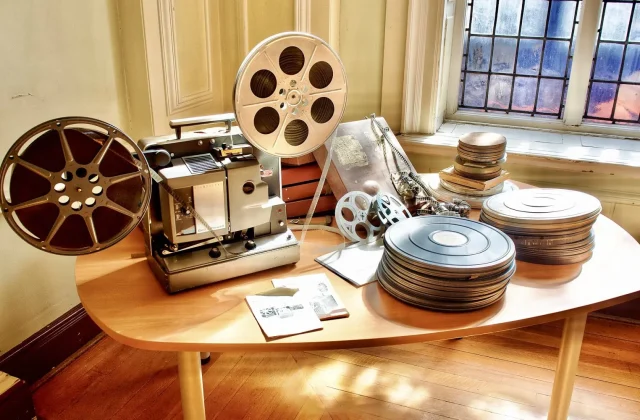
The shoot holds a special place in a documentary filmmaker's life. One director says he made his film about a village by visiting the same family for four years. Over that time, the camera became part of the family's daily life, and the most natural moments could only be captured once trust had been built. He adds that an atmosphere of conversation was established that was hardly ever broken during those years.
Another director names budget and time constraints as the biggest challenge. Shoots often unfold differently than planned, which means the structure of the story is constantly being rebuilt. The third director notes that choosing a few minutes of moments from hundreds of hours of footage in the edit is both a painful and a creative process. She reminds us that behind every scene that gets cut lie months of work.
Ethical responsibilities
Ethical responsibility was one of the most extensively discussed topics in the interview. The directors stress that the consent and privacy of the people in front of the camera come before everything else. In the edit, they say, you must not show a person as something they are not or take their words out of context. One director notes that sticking to this principle sometimes makes a film less striking, but the trust is worth it. They also emphasize that the people on camera have the right to stop filming whenever they want.
| Topic | Film |
|---|---|
| Highlights | documentary, film festival, cinema |
| Reading time | 5 minutes |
| Written by | Sarah Bennett |
Key takeaways
- Streaming platforms have made it easier for documentaries to reach large audiences.
- Shoots that last for years require trust and patience.
- The directors stress responsibility around consent, privacy and context.
The responsibility continues after the film is finished. One director has made it a rule to invite her subjects to screenings and ask for their opinions, too. She believes this relationship preserves the documentary's commitment to the truth. In our video, you can hear the three directors' experiences and their advice for young documentary makers in full. In the final part of the conversation, the directors also share their hopes and concerns for the future of documentary.
What do you think about this post?

Leave a comment