




















































Table of contents
A powerful typhoon approaching Japan's southern islands has begun to disrupt daily life across the country. Hundreds of domestic and international flights have been canceled, and bullet train services are also facing delays. Local authorities have started moving residents of coastal areas to safer locations, and schools have closed in many cities. The typhoon is expected to weaken and move northeast over the next 48 hours. Foreign visitors in the region are advised to follow local warnings closely.
Where is the typhoon heading?
According to forecast maps published by the meteorological agency, the center of the typhoon is passing east of the southern islands and moving northeast. Wind speeds near the center are reported to be approaching 180 kilometers per hour, and rainfall along the coast is expected to intensify. Experts are updating their warnings frequently in case the typhoon changes course as it nears land. According to the agency, the typhoon will have its strongest impact on the eastern coasts of the island chain over the next two days.
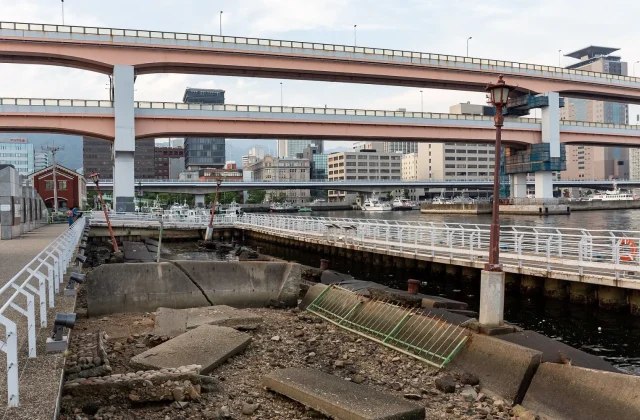
Local authorities designated low-lying coastal neighborhoods as evacuation zones because of the risk of high waves and flooding. Thousands of people were moved to temporary shelters set up in schools, sports halls and municipal buildings. Fishing boats were brought into port and sea transport was halted entirely; officials also announced that walking along the coast is banned until the typhoon passes.
We taped up our windows and started waiting it out at home.
Sophie Laurent
Major travel disruption
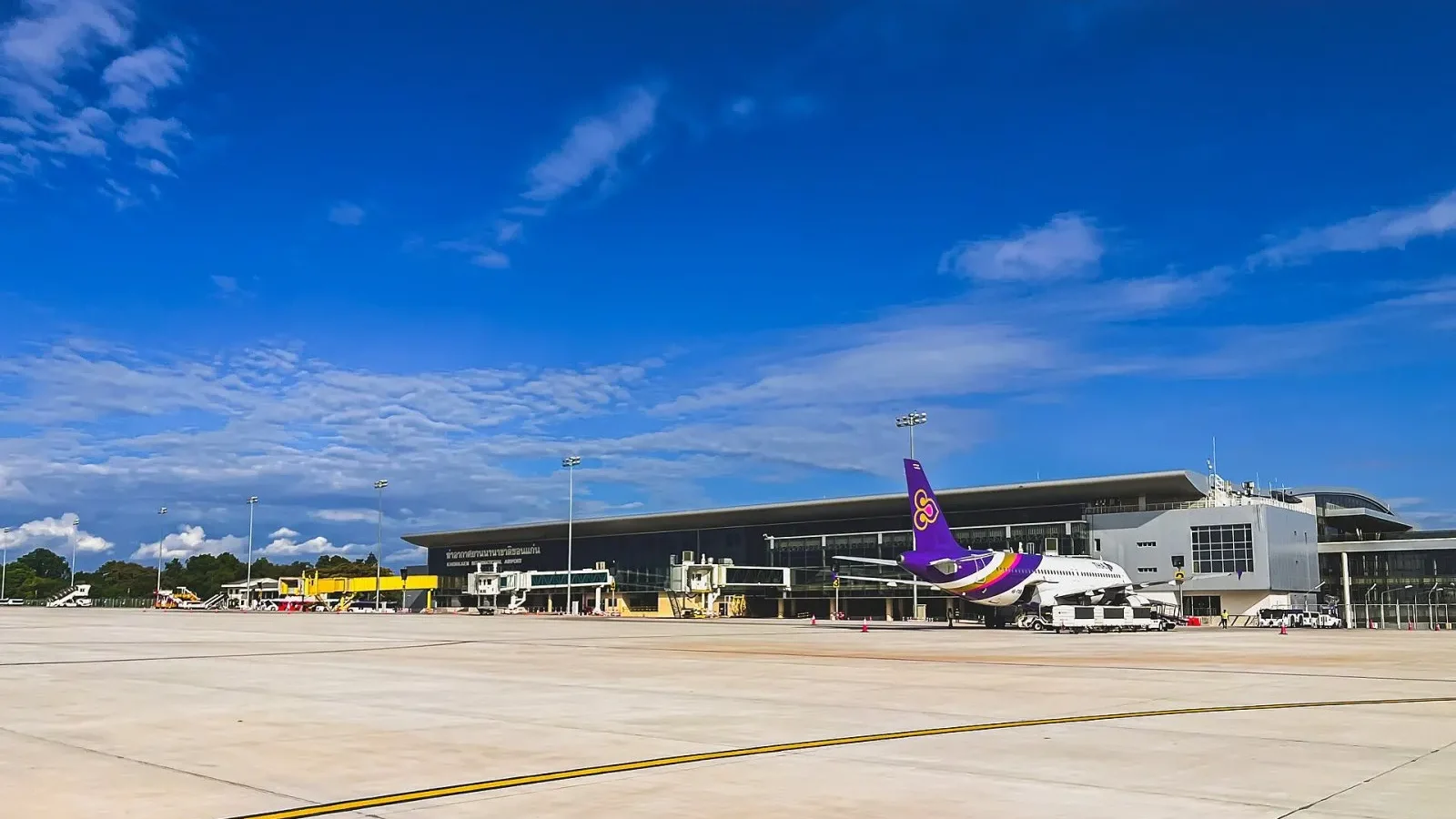
Airlines canceled most of their flights in the areas affected by the typhoon. The cancellation of hundreds of domestic and international flights led to long lines at airports. Speed limits were imposed on bullet train lines for safety reasons, and services on some lines were halted altogether. Passengers sought information from staff about alternative transport and accommodation.
The closure of schools and many businesses also disrupted daily life. Demand surged for basics such as water, ready-to-eat food and batteries in supermarkets, leaving some shelves empty. Factories paused production, while financial institutions and government offices switched to remote work. Officials repeatedly warned the public not to go outside unless necessary.
Advice for foreign travelers
Foreign nationals in the region are advised to follow official warnings closely. Embassies and consulates have announced emergency contact lines where citizens can share their location. Anyone with travel plans is advised to confirm their flights with the airline and look into flexible ticket options. Agencies issuing travel advisories and emergency alerts asked citizens to keep their registered contact details up to date and to follow their embassy's official accounts.
| Topic | World |
|---|---|
| Highlights | weather, storm, breaking news |
| Reading time | 3 minutes |
| Written by | Sophie Laurent |
Key takeaways
- Rain and wind intensify as the typhoon moves northeast.
- Hundreds of flights canceled; bullet train services disrupted.
- Foreign nationals in the region should follow official warnings.
Visitors in the region are also advised to stock up on basic supplies at home, keep their phones charged and follow local weather announcements. Staying away from windows, not going outside unless necessary and following evacuation orders without delay are vital. Transport is expected to return to normal gradually as the typhoon weakens. Local officials said they have assigned crews to quickly repair damage to infrastructure caused by the severe weather.
What do you think about this post?

Leave a comment