

















Test runs begin on new tram line: Passenger service starts in December
The first test runs have taken place on the tram line that will link the city center with the university campus. The line is expected to carry millions of passengers a year.
Table of contents
The first test runs have been carried out on the new tram line built between the city center and the university campus. On the 12-stop line, trams first ran empty. The tests are checking brake systems, signaling and right-of-way at intersections one by one. Officials said passenger service is planned to start in December if testing goes smoothly. The line is expected to ease pressure on main streets, especially during the morning rush when student numbers peak.
Route and stops
The new tram line starts at the main square in the city center, passes through the historic market district and ends at the gates of the university campus. There are 12 stops along the route; three are at transit hubs, and two are next to busy locations such as the hospital and the library. The total length of the line is said to be about 7 kilometers.
Accessibility was given special attention at the stops: there are ramps for wheelchair users, tactile paving for visually impaired passengers and an audio announcement system. Cameras and emergency call buttons have also been installed at stops. Officials said most of the trees along the route were preserved, and some were moved and replanted elsewhere.
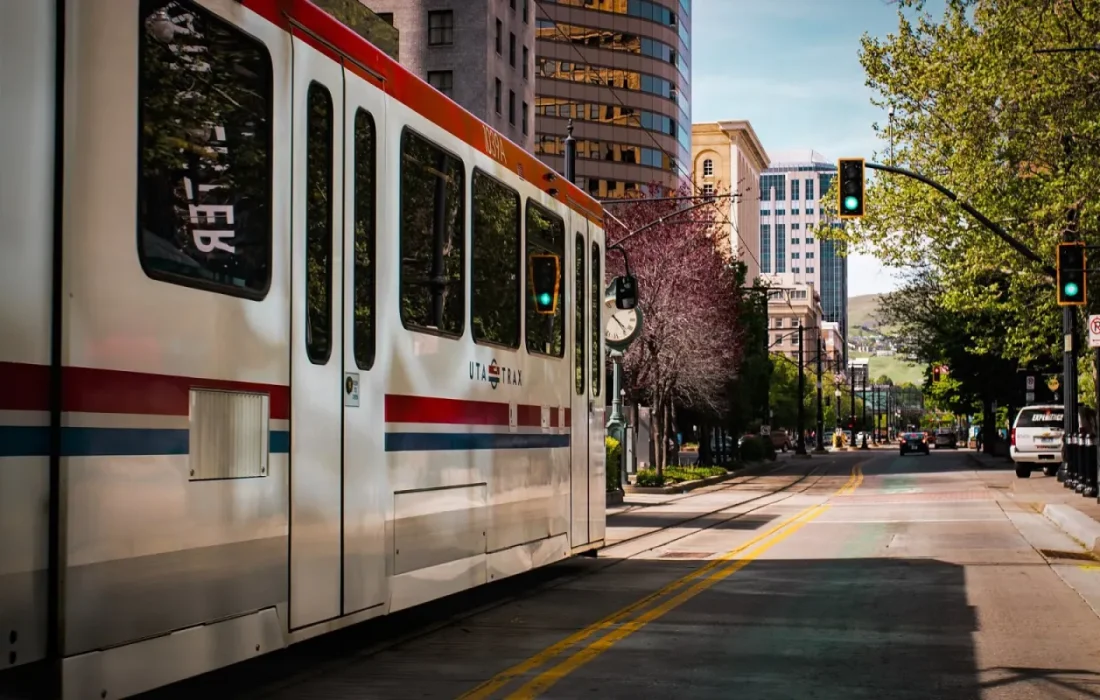
The tram will cut travel time to campus in half.
Ethan Brooks
What is being checked during test runs?
During the test runs, technical teams are taking detailed measurements of the trams' braking distance, the priority system at intersections and signal coordination. Vibration and noise measurements on the tracks are being carried out to determine whether residents' quality of life will be affected. The safety of the power supply lines is another critical part of the tests. Until these tests are complete, the trams cannot be approved to carry passengers, and the reports required for official certification cannot be prepared.
The trams' handling on tight curves, their performance on uphill stretches and their grip in wet weather are also being tested. Training for driver candidates is continuing in parallel; door-closing sensors and the emergency braking system have been checked repeatedly for passenger safety. If the tests turn up any problems, passenger service could be delayed. The technical team will compile all this data into a report, submit it to the relevant regulators and carry out any necessary improvements.
How will it affect traffic?
Once the line opens, the frequency of the bus routes most used to reach the campus will be reduced, and some buses will be redirected to transfer points. The city aims to cut the number of vehicles on main streets during the morning rush by 15% to 20%. Because trams will have priority at intersections, waiting times in some directions may increase briefly.
| Topic | Local |
|---|---|
| Highlights | public transit, city council, traffic |
| Reading time | 3 minutes |
| Written by | Ethan Brooks |
Key takeaways
- The line has 12 stops running from the city center to the campus.
- Test runs check braking, signaling and intersection priority.
- If passenger service starts in December, morning congestion will ease.
Officials reminded drivers not to park on the tracks during the adjustment period and pedestrians to cross only at designated crossings. An awareness campaign will be held before passenger service begins, planned for December. The ticket and card system will be compatible with existing transit apps and will offer transfer discounts. Information meetings will also be held for businesses along the line, and their concerns will be heard on site.
What do you think about this post?
Leave a comment