




























































Table of contents
Disputes between landlords and tenants resurface every time leases come up for renewal. Experts point out that rent increases are set according to current regulations and the terms of the lease. Attorney Michael Grant says that relying on written, dated documents rather than verbal agreements prevents most potential disputes. It's also worth remembering that mediation is mandatory before taking a dispute to court. Activity in the housing market is also leading tenants to rethink their moving plans.
How are rent increases calculated?
When a lease is renewed, the rent increase is set according to the legal limits in force. If the lease has a specific increase clause, it is also valid as long as it does not exceed the legal framework. Calculations are based on the start date of the previous rental period and the amount paid; it's important that both parties look at the same data for the same date.
Experts point out that the legal benchmark for setting increases can change from time to time, so it's necessary to check current regulations before acting. Notices sent between the parties should be in writing and dated. Paying rent by bank transfer and keeping the receipts is seen as one of the strongest forms of evidence in any dispute. These documents should be kept for at least the legal limitation period to prevent misunderstandings later on.
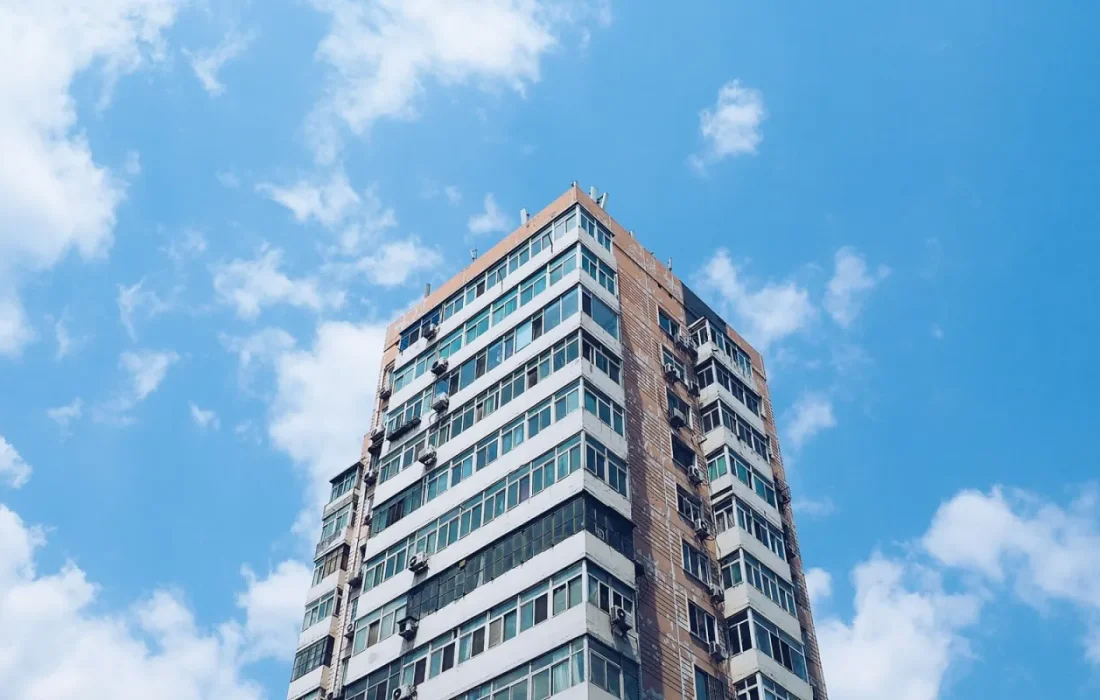
For both sides, the strongest protection is a well-drafted written lease.
Jake Morales
When is eviction possible?
Eviction is possible only in a limited number of cases set out in law. These include a genuine need for the landlord or close relatives to live in the property, the tenant failing to pay rent, and the property needing to be vacated for major repairs. In every case, legal deadlines and notice requirements must be followed carefully. Because landlords must prove their grounds when seeking eviction, it's vital that the process be backed by documentation.
It's important for tenants to know their rights when facing eviction. The end of a lease does not by itself mean the tenant must move out immediately; the law protects tenants through renewal and extension provisions. Likewise, landlords should set out clear terms in the lease to ensure the property is well looked after and obligations such as building fees are paid. Security deposit refunds, unpaid building fees and move-out inspection reports are also among the issues that most often cause problems when moving.
In a dispute, mediation comes first
In many rental disputes, mediation is a mandatory first step before going to court. The mediator acts as a neutral facilitator to help the parties reach an agreement. The process is usually faster and cheaper than going to court and often keeps the relationship between the parties from being damaged. Because mediation sessions create a setting where the parties listen to each other, most disputes can be resolved quickly.
| Topic | Economy |
|---|---|
| Highlights | rent, inflation, housing |
| Reading time | 6 minutes |
| Written by | Jake Morales |
Key takeaways
- The increase is set by legal limits and the terms of the lease.
- Eviction is possible only in a limited number of cases set out in law.
- In a dispute, mediation before going to court is often mandatory.
Lawyers recommend bringing documents such as the lease, payment receipts, correspondence and photos of the property's condition to a mediation session. Remember that every case is different: this story is general information, and in an individual dispute, getting help from a lawyer is the best course. Activity in the housing market, meanwhile, means tenants and landlords need to be better prepared for the new lease period.
What do you think about this post?


Leave a comment