






























































Table of contents
Dense fog that rolled in overnight made for a difficult morning commute. Visibility reportedly dropped to 50 meters in places, and several flights were delayed at the airport. Traffic officers asked drivers to use fog lights, leave more distance and avoid sudden braking. The fog is expected to clear largely by midday. Experts say similar morning fog could return in the coming days.
How the fog affected travel
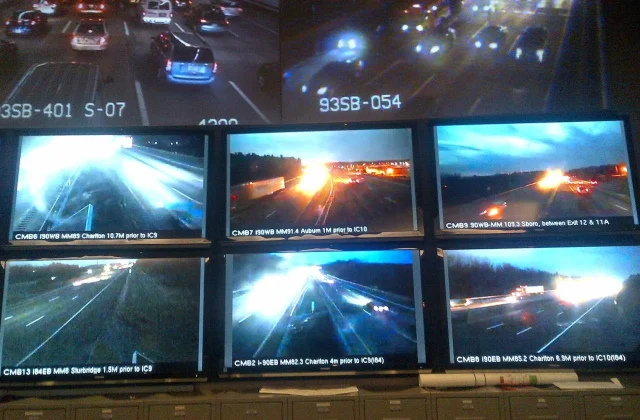
The fog was thickest on viaducts at the city's entry and exit points and on roads crossing the plain. When visibility dropped below 50 meters at some intersections around 7 a.m., drivers slowed down considerably. In areas where minor collisions occurred, traffic officers filled out reports at the scene so vehicles could clear the road quickly. Officials said the fog peaked in the morning and that its density changed very quickly in some places.
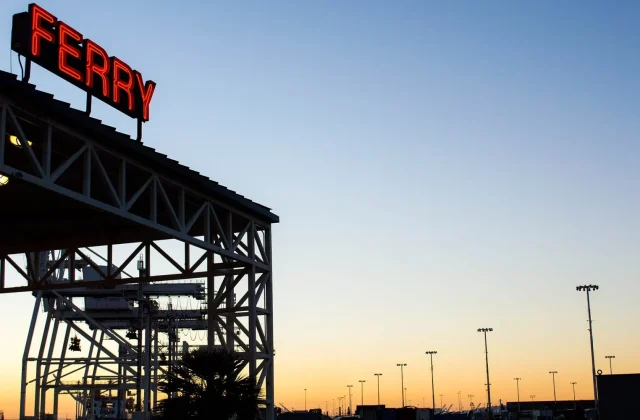
Several flights were delayed at the airport because of poor visibility, and two departed from an alternative runway. Ferry services were also suspended for a time because of the fog and resumed once visibility improved. Many people were late for work and school, though public transit services generally ran without disruption.

In fog, use low beams and fog lights, not high beams.
Ethan Brooks
Driving safely in fog
The most important rule for driving safely in fog is to slow down and increase your following distance. Drivers should use low beams and, if necessary, fog lights; high beams reflect off the fog and reduce visibility even further. Using hazard lights only when you need to stop, rather than leaving them on constantly, prevents confusion for other drivers. When every driver follows these precautions consistently, the number of accidents in foggy weather drops markedly.
It's also important to avoid sudden braking, leave plenty of space when changing lanes and use the taillights of the car in front as a guide. If the windows fog up on the inside, turning on the ventilation and using the wipers will improve visibility. If possible, postponing your trip during dense fog or waiting for it to clear is the safest option. Keeping your car well maintained, with working headlights and good wiper blades, also matters for safety.
When will the fog clear?
According to meteorologists, the fog will largely clear toward midday as the sun rises and the ground warms. Rising winds will also help disperse it. Even so, low cloud may linger for a while on valley floors and near water, where humidity is high. Experts say the time the fog clears may vary from place to place, so it's worth paying attention to conditions in your own area.
| Topic | Weather |
|---|---|
| Highlights | weather, traffic, accident |
| Reading time | 3 minutes |
| Written by | Ethan Brooks |
Key takeaways
- Fog cut visibility to below 50 meters in places.
- Drivers should use low beams and fog lights and increase following distance.
- The fog should clear by midday but may return in the mornings.
Similar morning fog may return in the coming days because of falling nighttime temperatures and still air. Experts advise anyone setting off early in the morning to check the weather and drivers to make sure their fog lights are working. Officials reminded the public that fog warnings will be published on official accounts and that drivers should follow these announcements.
What do you think about this post?
Leave a comment