



























































Crowded emergency rooms: When to go to the ER and when to see your family doctor
Many people who visit emergency rooms actually have non-urgent complaints. We've prepared a guide to help you go to the right place.
Table of contents
Crowding in hospital emergency rooms means longer waits for patients who truly need urgent care. Emergency medicine specialist Dr. Brian Shaw says chest pain, shortness of breath, loss of consciousness and serious injuries are situations that require going to the ER without delay. For needs such as a mild fever, a sore throat or a prescription renewal, he points out, family doctors are the right place to go. Using online appointment systems before seeking care helps balance the load on clinics. People with chronic conditions who get their medication in advance also help reduce emergency visits.
What counts as a real emergency?
The main job of the emergency room is to respond quickly to situations that are life-threatening or carry a risk of permanent harm. Chest pain, sudden shortness of breath, stroke symptoms such as facial drooping or slurred speech, loss of consciousness, uncontrolled bleeding, severe burns and serious injuries such as those from traffic accidents are the main examples.
In these situations, it's important to call the emergency number and get the patient to hospital without delay. Suspected poisoning, seizures, high fever with a stiff neck and breathing difficulties in babies may also require an immediate emergency visit. When in doubt, calling the emergency line for guidance is considered the safe option. Of course, it's impossible to list every symptom, so in a worrying situation it makes sense to get support from a health hotline.
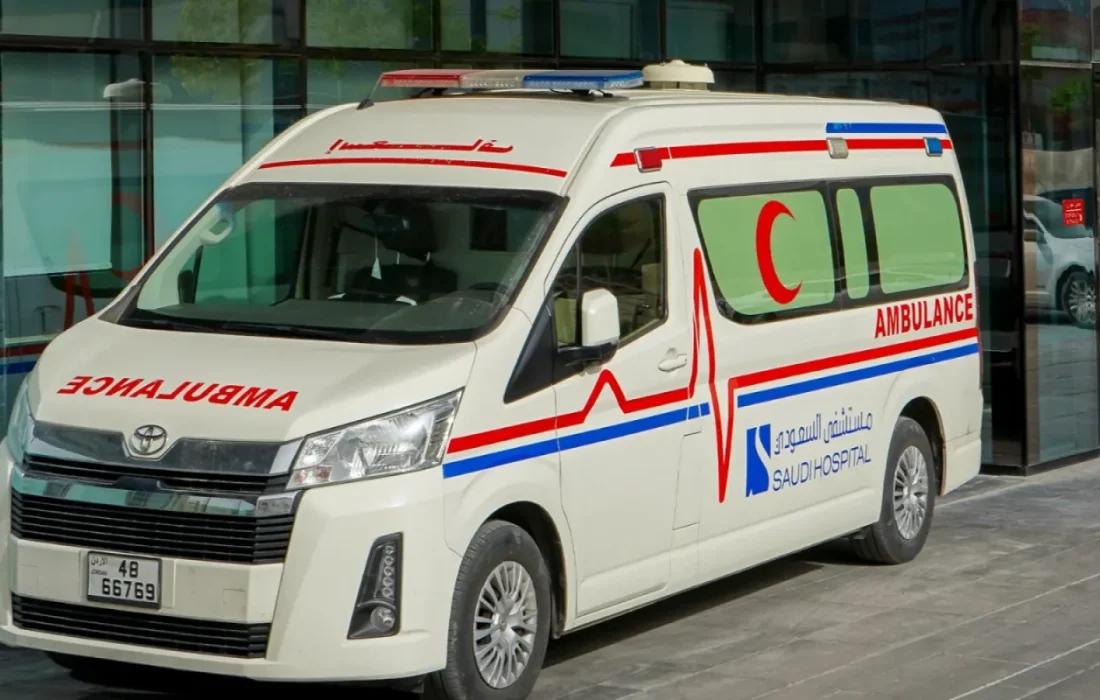
The emergency room should be there for patients who are truly in an emergency.
Sarah Bennett
Services your family doctor offers
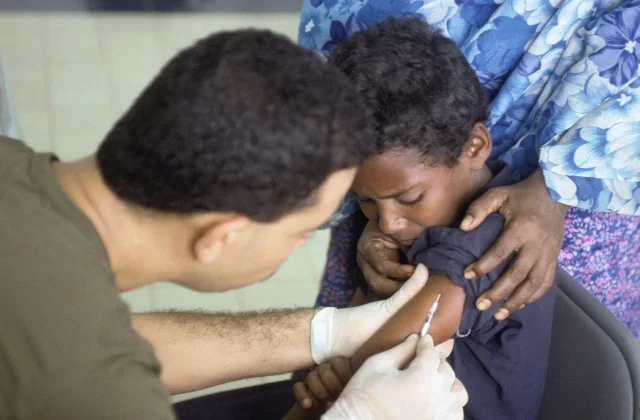
Family doctors are primary care providers who follow a person's health holistically and over time. Mild fever, sore throats, simple infections, regular follow-up of chronic conditions, prescription renewals, vaccinations and pregnancy or infant checkups all fall within a family doctor's remit. Medical certificates and referrals can also be handled there.
Seeing your family doctor often means faster and more personal care than the emergency room. Because the doctor knows the patient's history, they can give more accurate guidance. When needed, patients are referred to a specialist so they are treated in the right place at the right time. Regular checkups also reduce the chance of needing emergency care later on.
Ways to cut waiting times
The first step to cutting waiting times is knocking on the right door. Using the online appointment system for non-urgent complaints saves time for both you and patients in genuine emergencies. If you are going to the ER, bringing your ID, a list of medications and any previous test results speeds up the assessment. When primary care services are also open at night or on weekends, the burden on emergency rooms drops noticeably.
| Topic | Health |
|---|---|
| Highlights | hospital, health, breaking news |
| Reading time | 5 minutes |
| Written by | Sarah Bennett |
Key takeaways
- Chest pain, shortness of breath and loss of consciousness require emergency care.
- For mild complaints and prescription renewals, your family doctor is the right place to go.
- Online appointments and a ready info card cut waiting times.
People with chronic conditions can avoid unnecessary visits by refilling their medication before it runs out. Keeping a list of allergies and medications on a card or in a note on your phone gives the medical team critical information in an emergency. Still, whenever you're unsure how serious your symptoms are, consulting a health professional is always better than diagnosing yourself.
What do you think about this post?

Leave a comment