






























































Table of contents
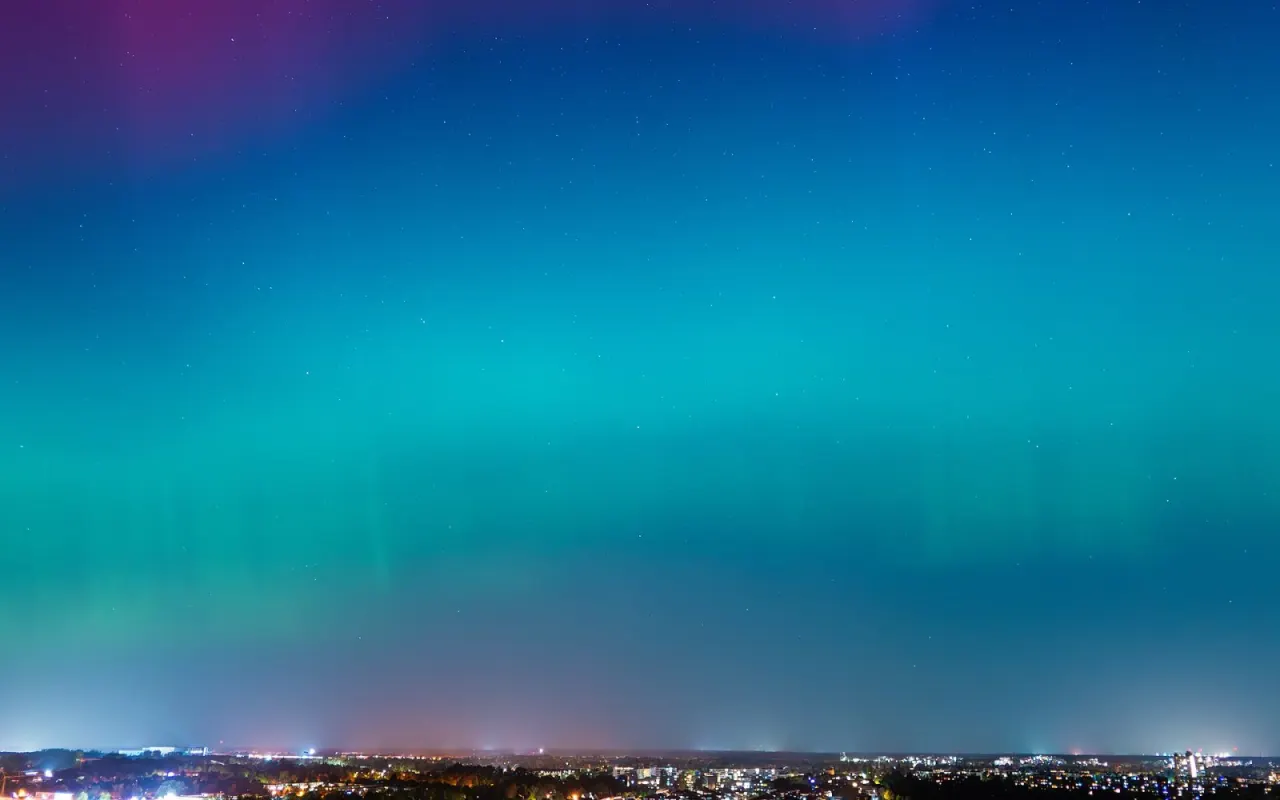
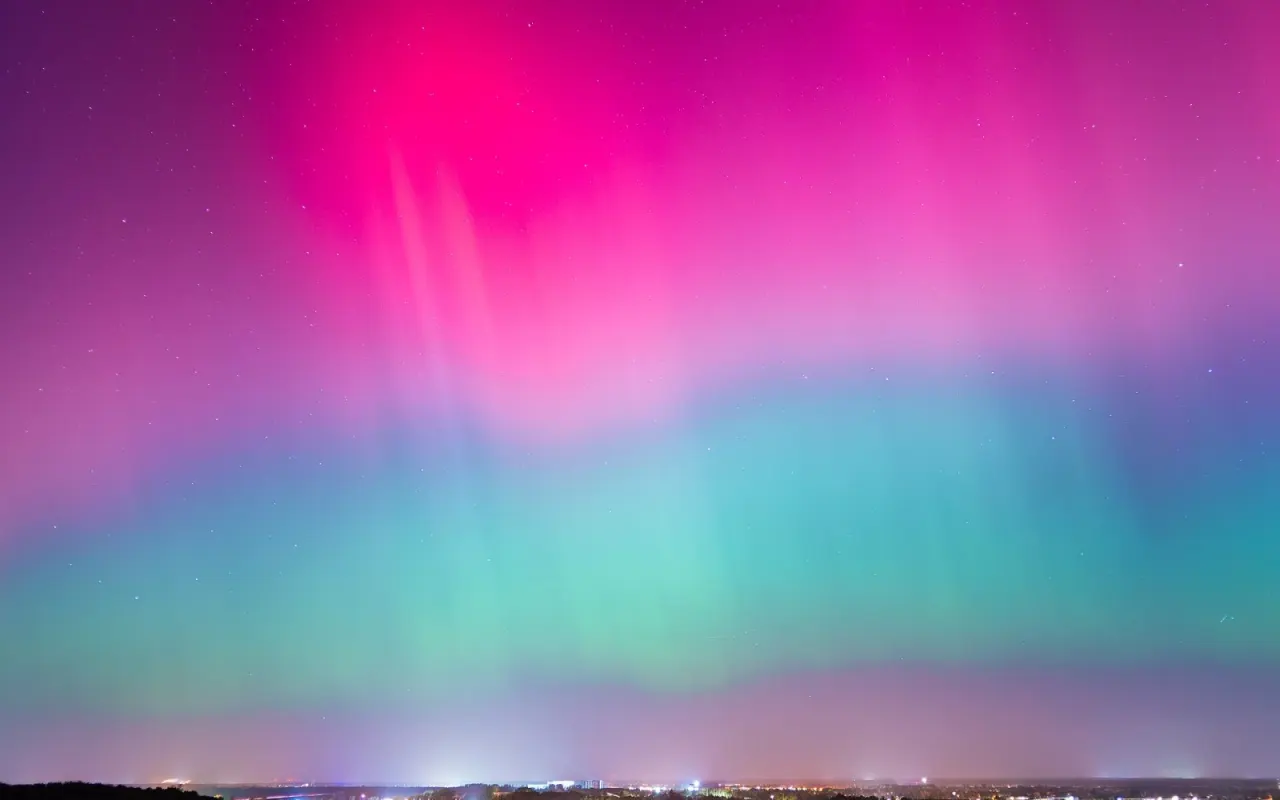
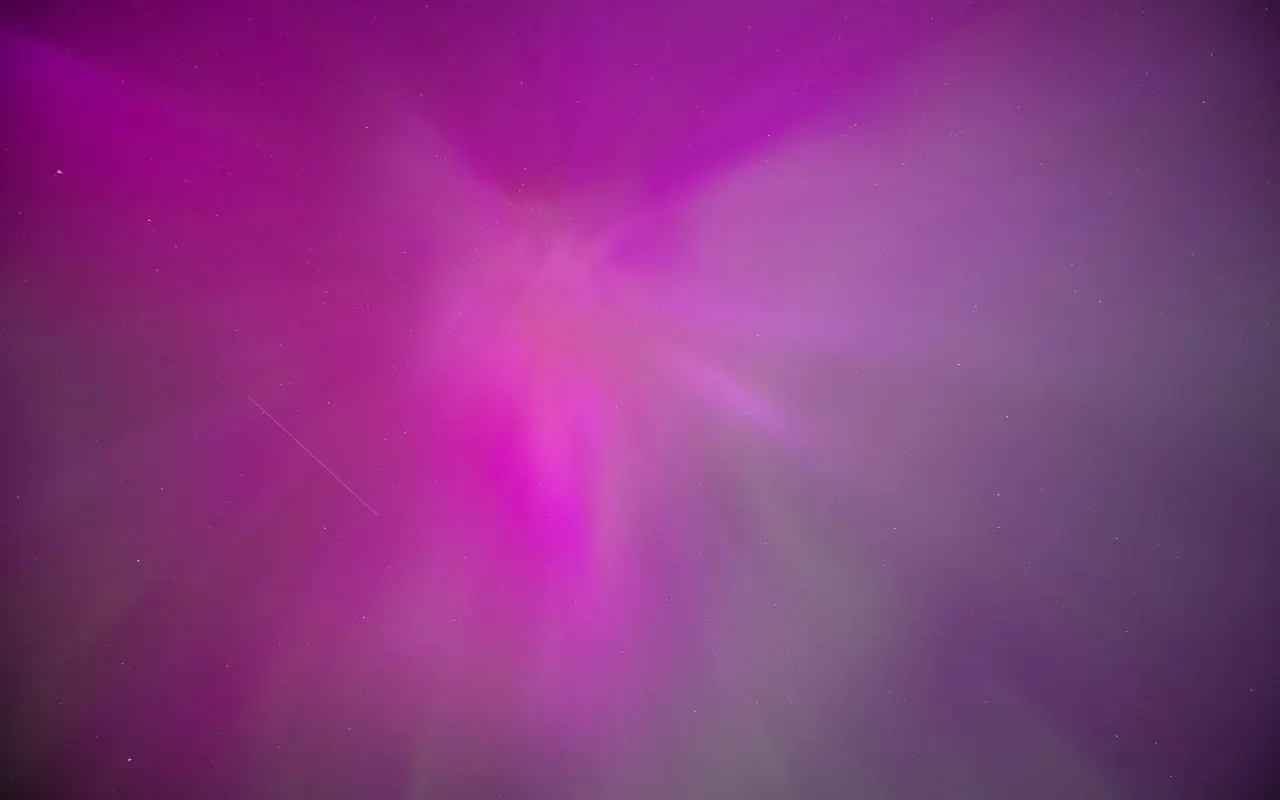
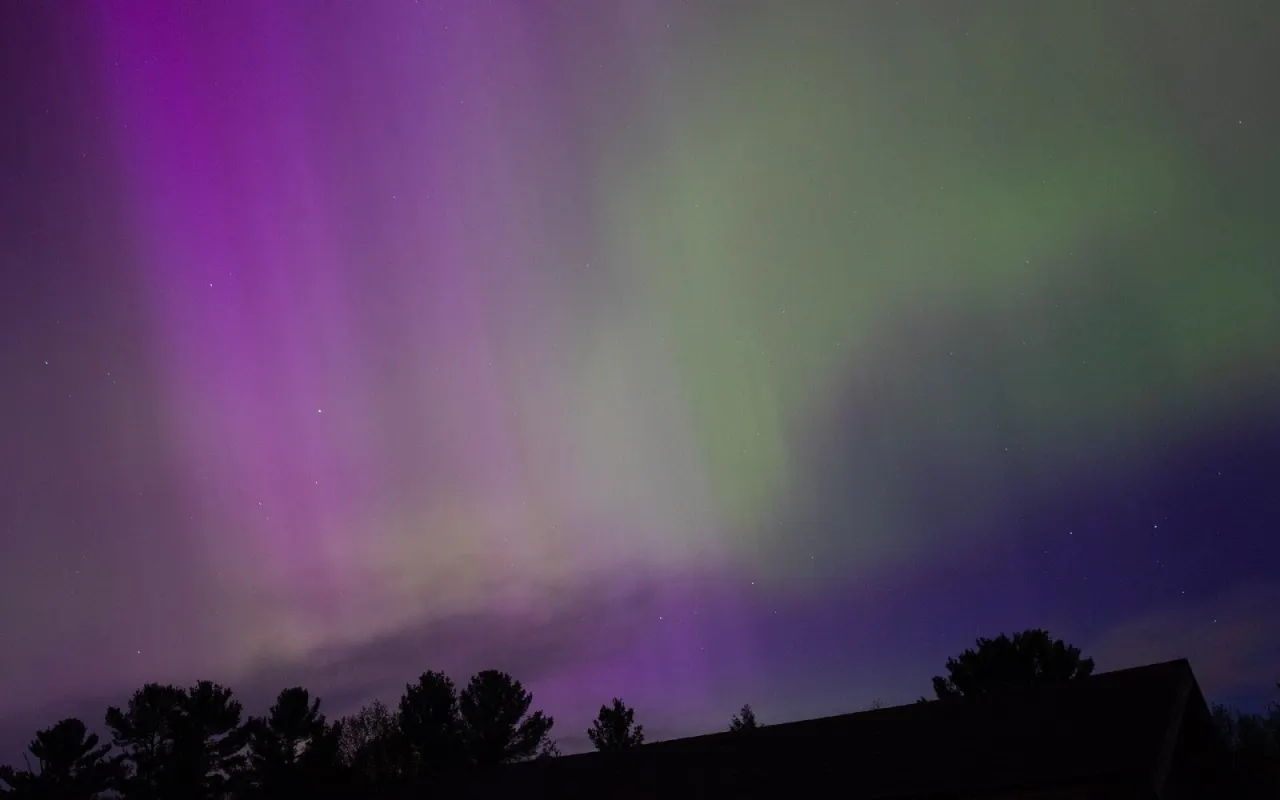
Charged particles that reached Earth after a powerful eruption on the Sun lit up the sky with unusually bright northern lights. In towns in northern Norway, the sky rippled with shades of green, purple and pink for hours. Photographers and tourists from around the world waited outdoors through the night to capture the phenomenon. Astronomers say similar displays could happen again during this period of high solar activity. The excitement of those who witnessed the silent dance of light was captured on camera too.
How do the northern lights form?
The northern lights form when charged particles from the Sun interact with Earth's magnetic field and excite gases in the upper atmosphere. Oxygen atoms produce green and red, while nitrogen produces purple and pink. The color and brightness of the lights depend on the particles' energy and on the type and altitude of the gas they encounter. Although the process begins within seconds, the curtains of light often only become visible in the darkest hours of the night.
Powerful eruptions on the Sun can cause these particles to reach Earth in greater numbers within a short time. That's how this event began too. Astronomers said that later in the night the lights were visible much farther south of the polar region and could easily be seen with the naked eye under clear skies. During the few hours when the lights were brightest, many communities in the region switched off their lights to make the sky easier to watch.
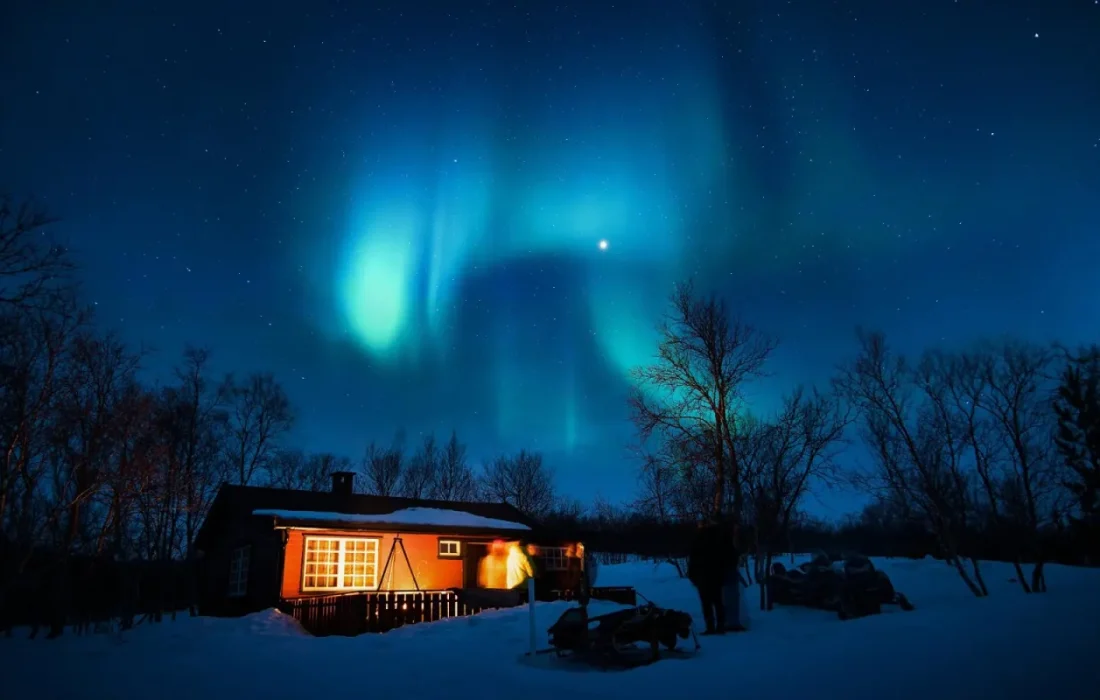
It was the most mesmerizing sky I've ever seen.
Sophie Laurent
An unforgettable night for photographers
For photography enthusiasts in the towns, the night became an unforgettable experience. Photographers who set up their tripods on the lakeshore captured the dancing curtains of light with long exposures. Many said the lights appeared from different parts of the sky at once and changed shape within minutes. Some photographers added that opportunities like this come only a few times a year and that each one requires its own preparation.
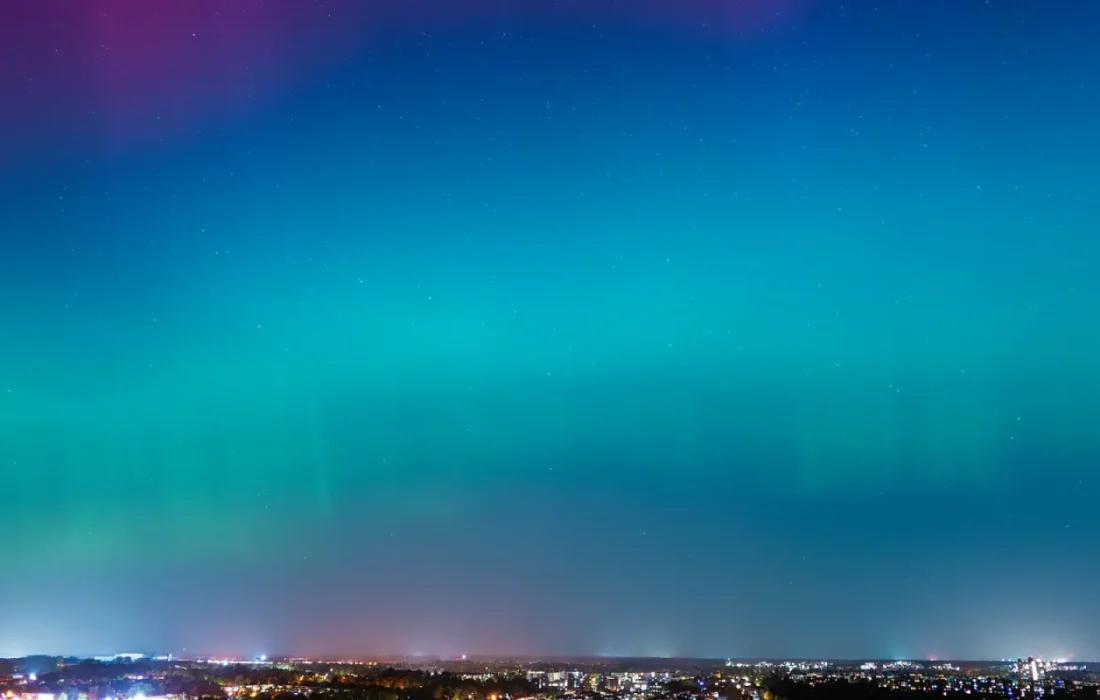
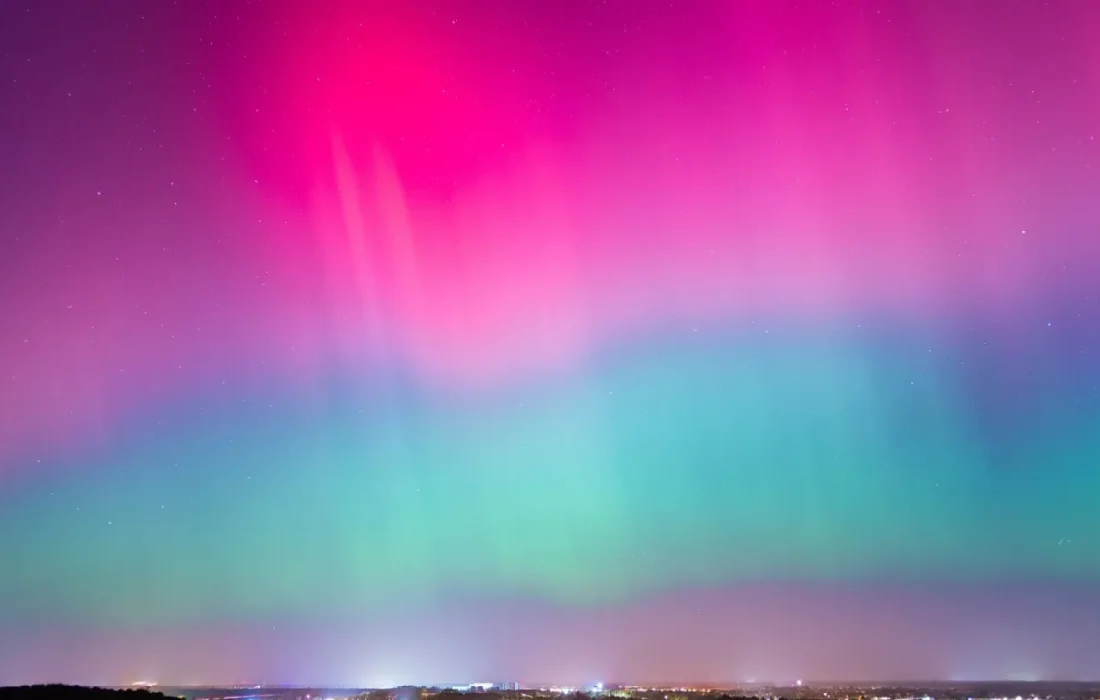
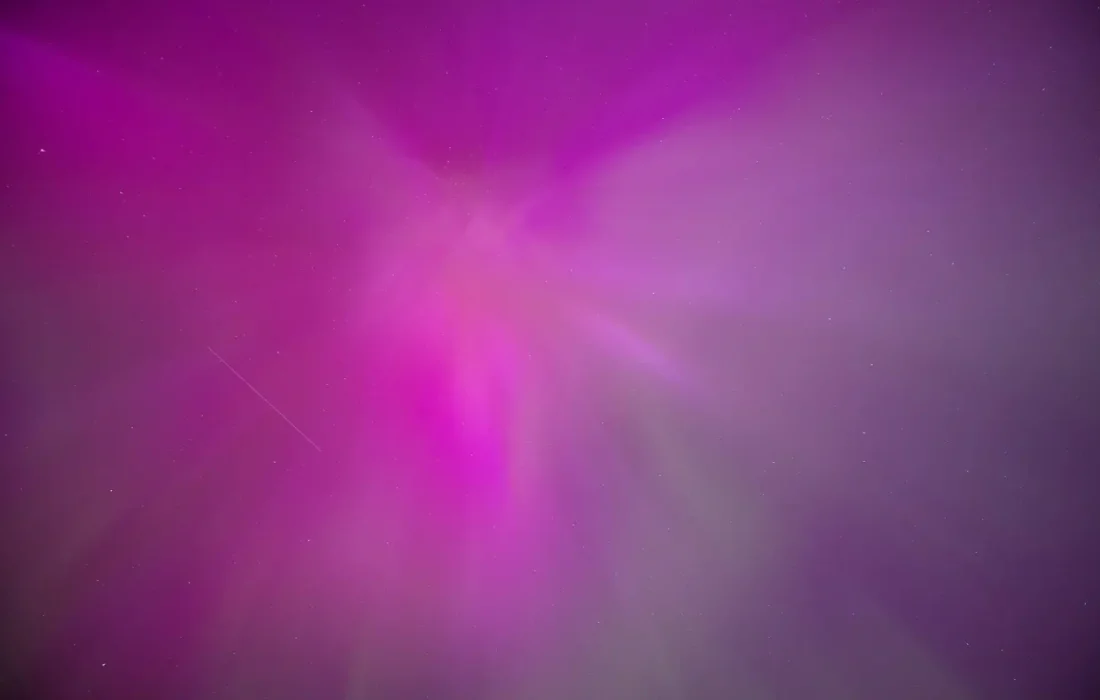
Tour operators reported a sudden surge in interest in night tours. As tourists bundled up against the cold waited until morning with thermoses of hot drinks, local guides pointed out the best spots for viewing the lights. Local residents said that while seeing the lights at this time of year is common, it is rare for them to be this bright.
When is the next chance?
Astronomers say we are in the active phase of the Sun's roughly 11-year activity cycle and that similar events may be seen in the period ahead. Anyone who wants to see the northern lights is advised to choose a spot away from city lights on cloudless, moonless nights in autumn and winter. Because forecasts are not precise, astronomers point out that it is impossible to say in advance exactly which night the lights will appear.
| Topic | World |
|---|---|
| Highlights | weather, offbeat news, photography |
| Reading time | 3 minutes |
| Written by | Sophie Laurent |
Key takeaways
- A powerful solar eruption boosted the brightness of the lights.
- Photographers and tourists watched the sky all night.
- Similar displays may return during this period of high solar activity.
By following space weather forecasts, you can find out in advance how likely the lights are to appear. But since natural phenomena can't be scheduled, patience is essential. Enthusiasts who want to travel can improve their chances by planning to stay several nights; even so, the sky may not always put on the expected show. Anyone planning a trip is advised to research the weather, hotel and flight options in advance and pack clothing suited to a cold climate.
What do you think about this post?


Leave a comment