























































Harvest over, farmers turn their eyes to purchase prices
As the harvest season ends across the countryside, farmers are asking whether purchase prices will keep pace with rising costs. Our bureaus bring you the voices of growers.
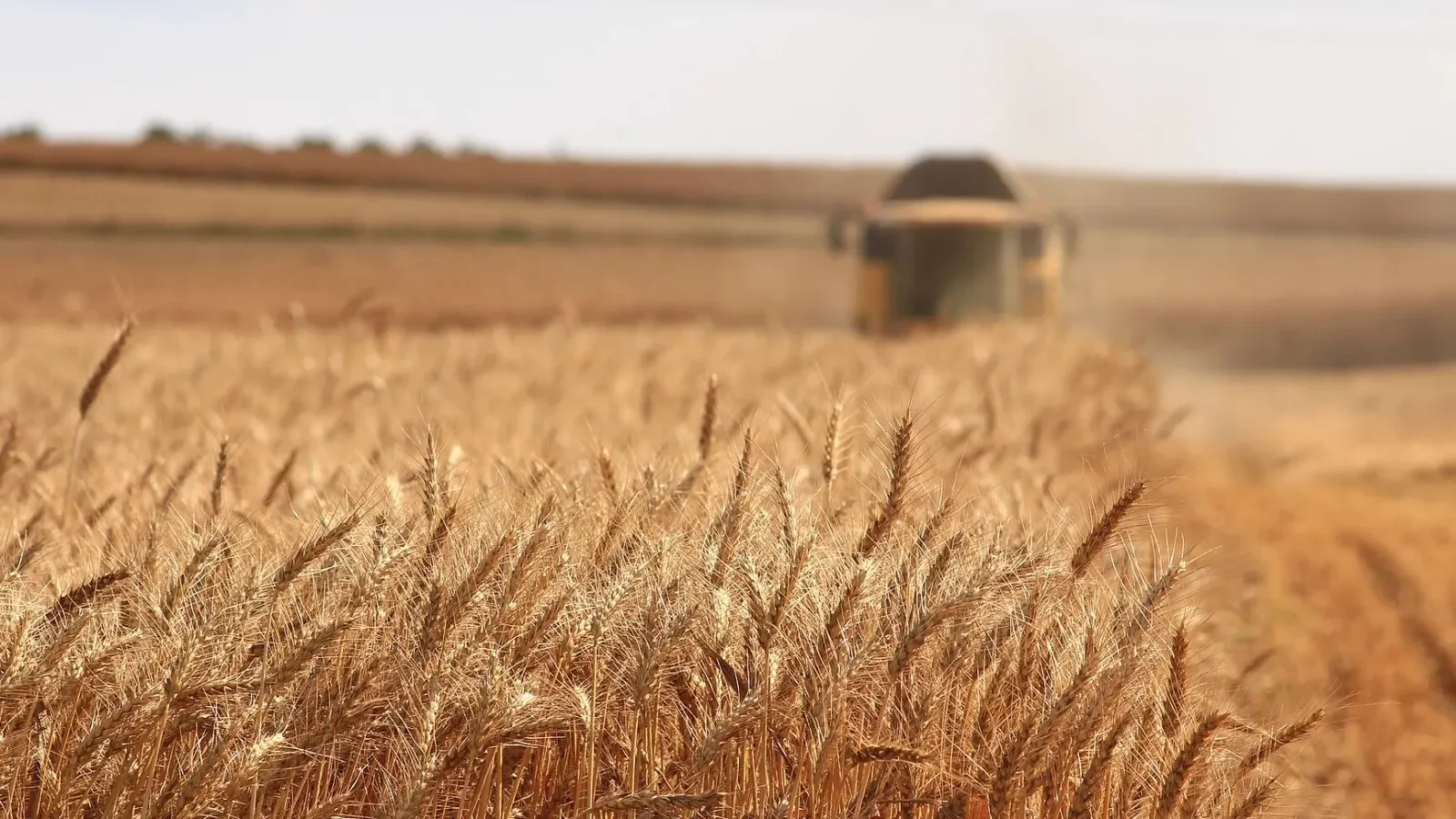
Table of contents
The harvest season has come to an end in the country's farming heartland. Thanks to steady rainfall, this year's wheat and barley yields were higher than last year's. But farmers are not exactly smiling. Higher prices for fertilizer, diesel, seed and pesticides have driven production costs up sharply. Growers interviewed by our bureaus in the central plains, the northern valleys and the southern lowlands are demanding that purchase prices be set high enough to cover their costs.
Did yields meet expectations?
Our teams touring the central plains found that end-of-season yields were markedly higher than last year. Farmers say the spring rains and regular irrigation showed in the crop. In some villages, yields per acre exceeded the five-year average, and barns and silos filled up unusually early. Still, growers point out that a good harvest alone does not mean prosperity.
Welcome as the higher yield is, what really matters to growers is the price their crop will fetch. Farm cooperatives in the northern valleys and southern lowlands have prepared yield tables for their regions and sent them to the relevant authorities. The figures also show the gap between rain-fed and irrigated farming widening year after year. Agricultural engineers stress that collecting this data regularly every year is essential for sound farm planning.

The land has given its bounty; now we're waiting to be paid fairly for our work.
Mark Ellison
Rising input costs
Growers complain that rising input costs are eating into the reward for their hard work. Alongside fertilizer and diesel, higher prices for seed and pesticides have pushed up the cost per acre noticeably compared with last year. Machinery rental fees and day laborers' wages have also been added to the expenses of families working the harvest. This picture makes it even harder for small farmers to access financing and is driving them into debt.
One grower in the northern valleys says that by his calculations about half of his costs go on inputs, and the money left over is barely enough to cover his loan repayments. Farm associations stress that it would be easier for growers to plan if input subsidies and low-interest loan packages were confirmed at the start of the season. Groups of farmers in some villages in the region are also trying to cut costs by buying together.
What farmers are demanding
Growers' shared demand is for purchase prices to be announced before the harvest, as they were at planting time. Farmers want costs calculated with up-to-date data and prices set at a level that offsets inflation. Cooperatives are calling for shorter payment terms and wider use of advance payments. Late payment for crops also directly affects preparations for the next season.
| Topic | Economy |
|---|---|
| Highlights | agriculture, inflation, climate |
| Reading time | 6 minutes |
| Written by | Mark Ellison |
Key takeaways
- Steady rainfall lifted wheat and barley yields above last year's levels.
- Fertilizer, diesel and seed costs are eating into growers' earnings.
- Farmers want purchase prices announced before the harvest.
The head of a farm association in the southern lowlands says farmers are looking not just for a better price but for storage and transport support. He points out that small family farms have no storage capacity and so are forced to sell their crop right after the harvest. The relevant authorities announced plans to meet with producer organizations in the coming weeks. Farmers expect the prices to be announced to take into account both their labor and the sustainability of production.

Leave a comment