




























































Table of contents
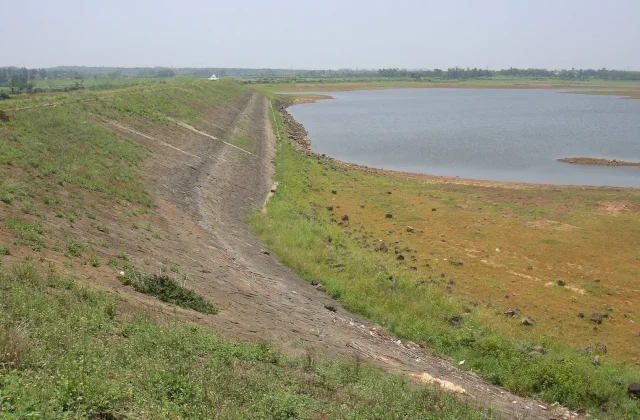
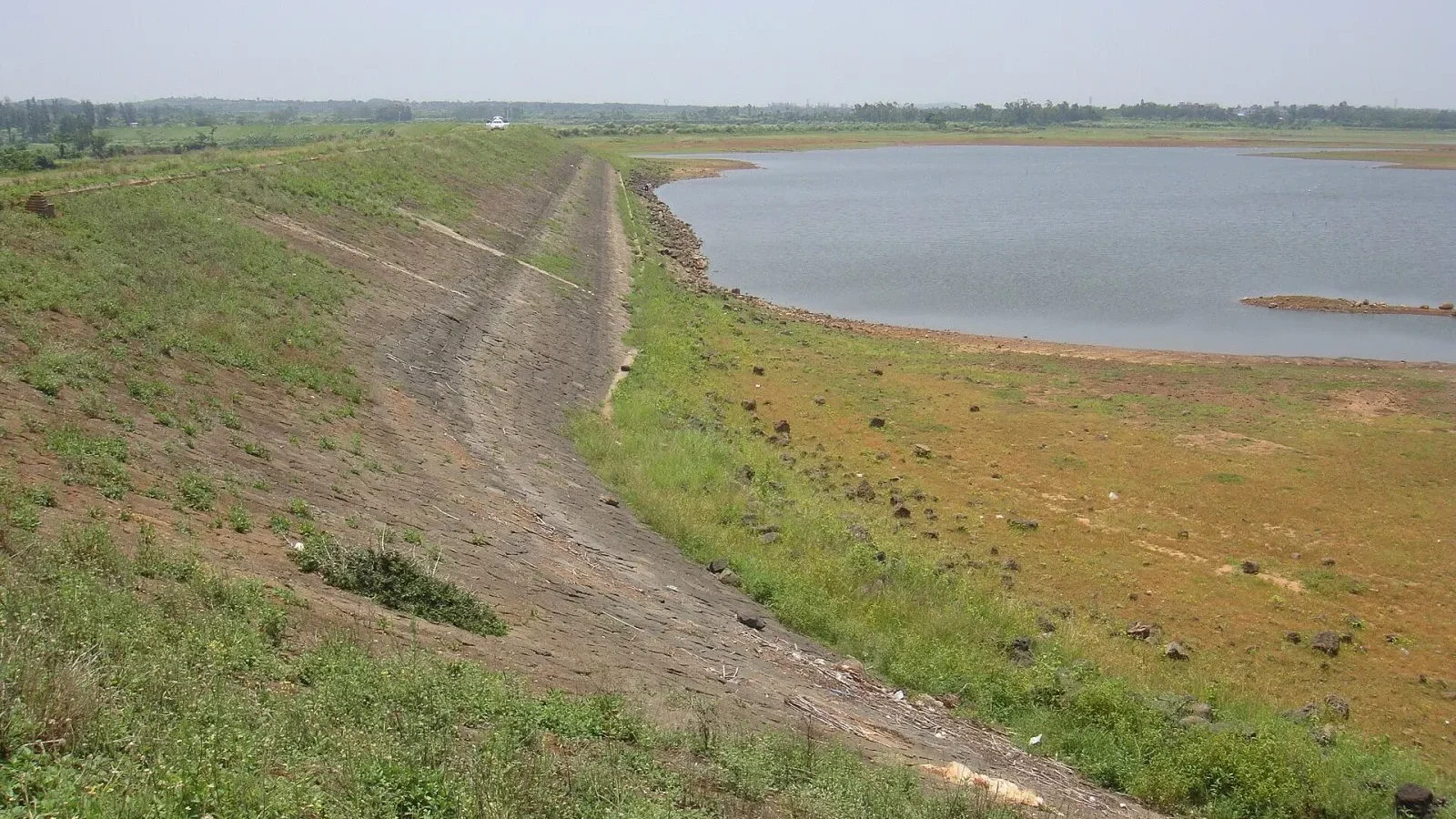
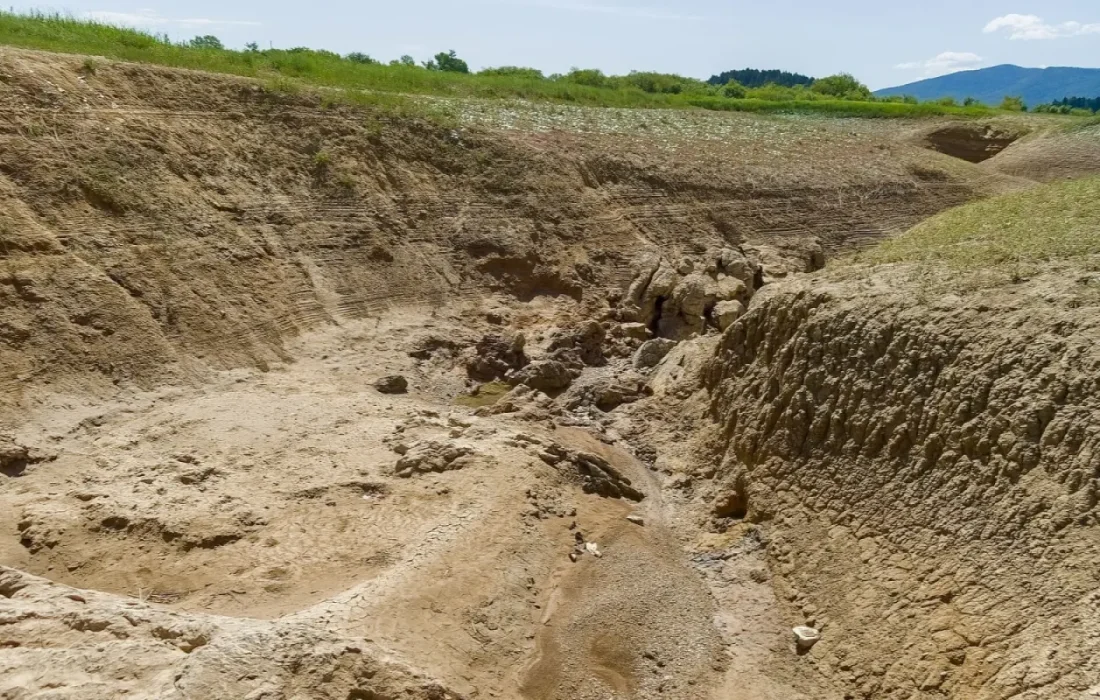
A dry summer and the late arrival of the autumn rains have set alarm bells ringing at the reservoirs that supply the major cities. According to figures released by the water and sewerage authorities, some reservoirs have fallen to their lowest levels in ten years. Officials stress that no cuts are planned for now but that residents should watch their water use. Farm associations, meanwhile, have warned that irrigation could run into trouble.
The reservoirs by the numbers
According to data shared by the water authorities, the reservoirs supplying the major cities are at around 37% of capacity in total. At the same time last year, the figure was close to 50%. The sharpest drop was recorded at the two main reservoirs that supply most of the city's drinking water. Officials add that despite recent rain, the ground absorbed the water quickly and little of it reached the reservoirs.
Experts say the figure alone doesn't tell the whole story; evaporation and losses in the mains must also be taken into account. Estimates of how many months the reservoirs will last at current consumption rates differ between authorities, but they all agree on one point: rainfall in November and December will be decisive. Meteorologists also stress that rainfall should be closely monitored during the first half of winter.
As a city, we all have to learn the value of every drop of water.
Ethan Brooks
The impact on irrigation
Farm associations say water shortages hit farmers directly in regions with long irrigation seasons. Well levels are falling on some plains, and growers are discussing switching to crops that need less water. Moving to drip irrigation, however, isn't easy for every farmer because of the upfront cost. Growers say that under these conditions they need a shared road map on which crops to plant and when.
With planting for next season now being planned, association representatives want a dedicated water budget drawn up for each basin. Other proposals include cooperatives building shared irrigation facilities and redirecting incentive programs toward this goal. Officials said the requests are under review. Regional water management meetings are also expected to become more frequent in the coming months. A timetable for this work will be announced next week.
Tips for saving water at home
Water and sewerage authorities are offering residents practical tips. Taking shorter showers, running dishwashers and washing machines only when full, and watering gardens early in the morning or late in the evening are listed as the most basic steps. Dripping faucets can also waste thousands of liters of water a year. Simple as these habits may seem, they can make a difference of hundreds of liters in each household's daily use.
| Topic | Agenda |
|---|---|
| Highlights | climate, city council, agriculture |
| Reading time | 5 minutes |
| Written by | Ethan Brooks |
Key takeaways
- Some reservoirs have dropped to their lowest levels in a decade.
- Farm associations warned that irrigation could run into trouble.
- Small changes in habits at home add up to savings at city scale.
Building and condo managers also have an important role to play. Recommendations include using buckets instead of hoses to clean shared areas, checking for leaks across complexes and installing rainwater collection systems. The authorities remind residents that these small habits add up to serious savings at city scale. Voluntary neighborhood water-saving contests launched at some complexes are also starting to catch on in several districts.
2 Comments
Really useful piece, thank you for putting it together.
I had never thought about this side of it. Looking forward to a follow-up.