



























































Which film should you buy? A beginner’s guide to color negative film
From film speed to color character, I used my own examples to compare which lighting conditions different color negative films shine in.
One of the things analog beginners struggle with most is choosing the right film from dozens on the shelf. Every film has its own color character, grain structure and response to light, which makes the same scene look completely different on different stocks. I compared the color negative films I've used in different seasons and lighting conditions over the past two years using my own examples. This post is a practical starter guide to help you pick your first roll.
In this article
- ISO and lighting conditions
- Warm and cool color characters
- Storing and carrying film properly
ISO and lighting conditions
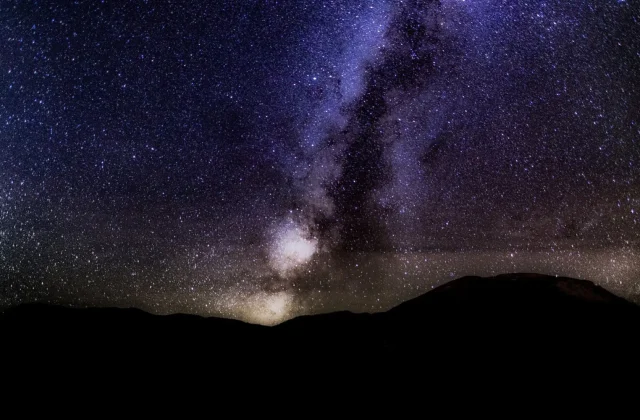
Film speed, or ISO, determines the lighting conditions you can shoot in. Films between ISO 100 and 400 offer fine grain and rich color in daylight, while faster films such as ISO 800 let you work more comfortably in the late afternoon, in shade and indoors. The less light there is, the faster the film you need.
My advice for beginners is to start with a versatile film around ISO 400. This speed gives reasonable results both in bright conditions and on cloudy days. Unlike a digital sensor, film forgives overexposure but doesn't tolerate underexposure, so when in doubt, overexposing by a stop is the safer choice.
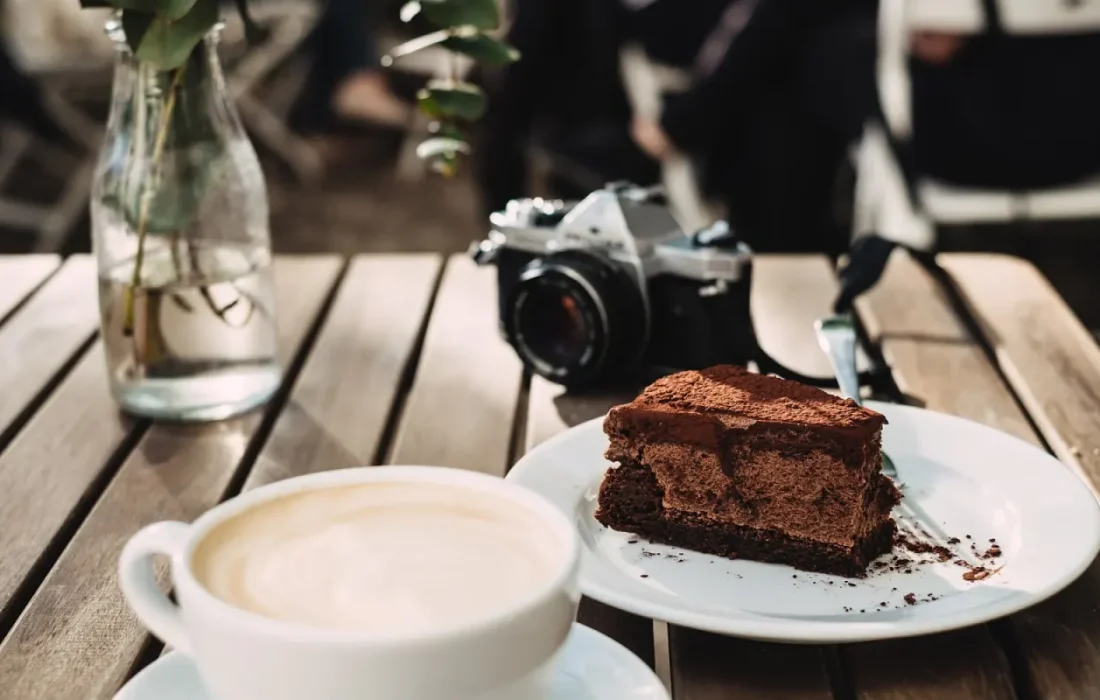
Choosing a film means deciding on your color palette before you take the photo.
Ethan Brooks
Warm and cool color characters
Every film has its own color character. Some give warm tones that lean slightly red and render skin softly; others offer a cool look that brings out greens and blues. When I shot the same scene on two different films, I was genuinely surprised to see how little the results resembled each other.
For portraits and sunsets I prefer warmer films; for the city and green landscapes, cooler and more saturated ones. This choice is entirely a matter of taste, and over time you'll discover your own preferences. Shooting the same scene on different films and putting them side by side is the most fun and most instructive way to learn their color character.
Storing and carrying film properly
Film is sensitive to light and heat. Before and after shooting, you need to store it in a cool, dry place; film left in a hot car or in the sun shows color shifts and increased grain. If you're planning a trip, keep your film in your carry-on, because airport security scanners usually don't affect slower films but can affect faster ones.
| Topic | Analog |
|---|---|
| Highlights | film photography, light, travel diary |
| Reading time | 7 minutes |
| Written by | Ethan Brooks |
Key takeaways
- A film around ISO 400 is a versatile choice for beginners.
- A film's warm or cool color character is chosen to suit the scene.
- Storing film in a cool, dry place prevents color shifts and increased grain.
Ideally, take finished rolls to the lab right away; if you have to wait, store them in the fridge. Sticking a label with the film type and shooting date on each roll is a valuable habit that avoids confusion later. That way you can remember which film you used in which light and make a more informed choice for the next roll.
What do you think about this post?

Leave a comment