














































Five nights waiting for the northern lights in Lofoten
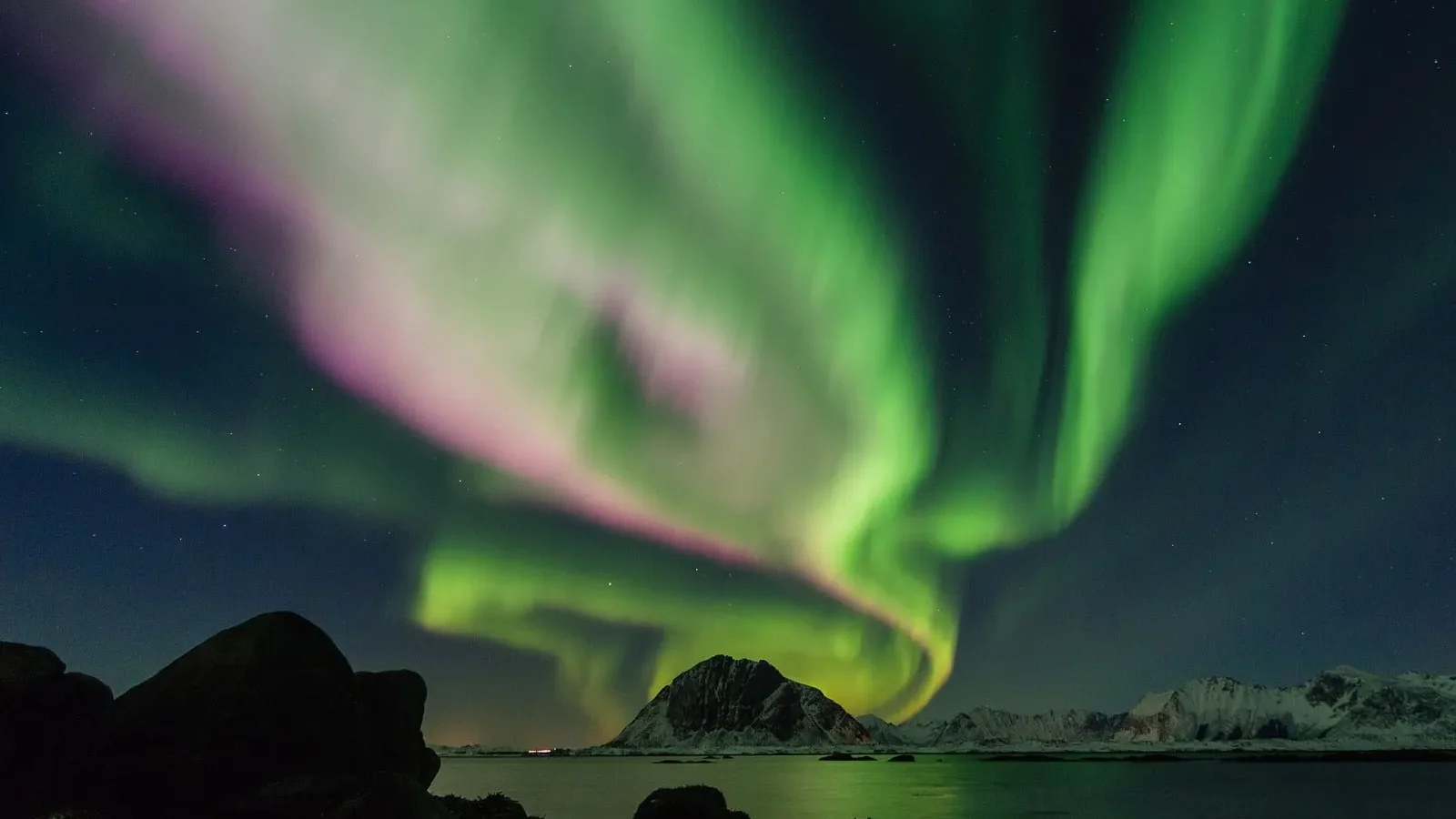
I battled the cold and the clouds for five nights to photograph the northern lights in Norway's Lofoten Islands. The video of the trip is live.
Photographing the northern lights had been at the top of my list for years, and I finally got the chance to go to the Lofoten Islands. But for the first four nights the sky was covered in thick cloud, and every evening I set up my tripod and waited for hours in vain. On the fifth night, just as I was about to give up, a green curtain began to ripple across the sky. In the video I talk about those five nights, the settings I used and how I protected my gear in the freezing cold.
In this article
- Weather apps and patience
- My settings for the northern lights
- Managing batteries and gear in the cold
Weather apps and patience
The most important tool for the northern lights is a weather app. I used two: one showed a light index forecasting solar activity, and the other tracked cloud cover hour by hour. Even with strong activity, you won't see a thing if the sky is overcast. Every evening after dinner I compared the two apps and decided which stretch of coast would have a break in the clouds.
On four of the five nights, the clouds stubbornly refused to budge. But even the waiting itself was a pleasure in Lofoten: silent fjords, red fishermen's cabins by the sea and snowy mountain ranges in the distance. Patience is the first rule of chasing the northern lights; the second is to be ready at night. Because the lights sometimes appear and vanish within minutes.
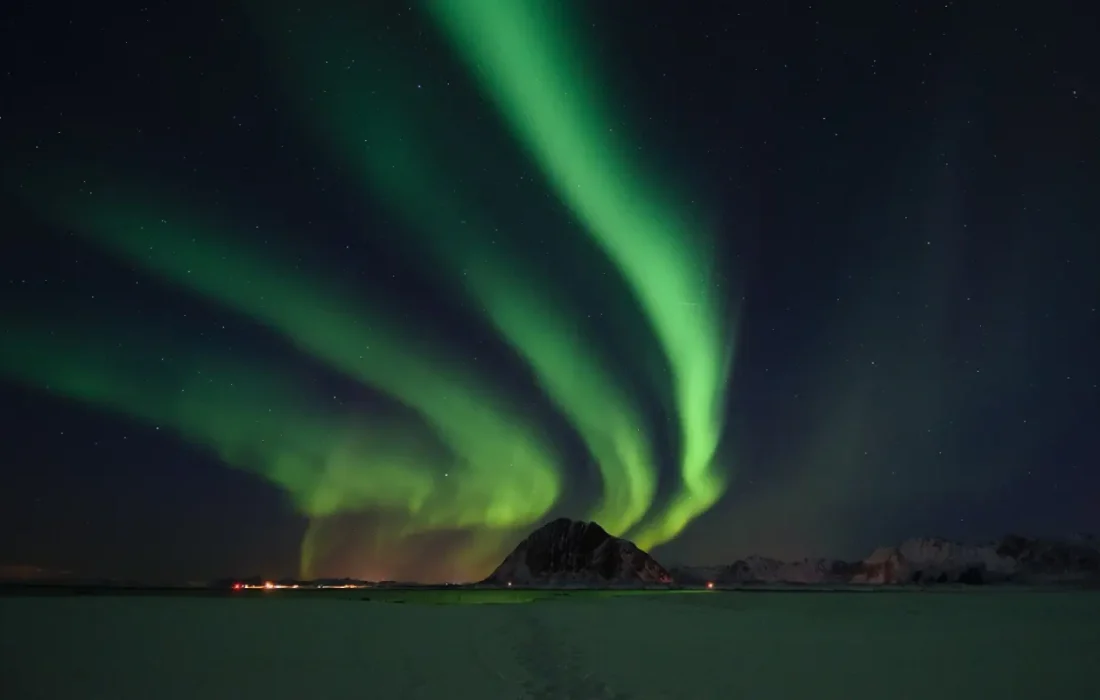
The northern lights don't make appointments; all you can do is choose to be there.
Mark Ellison
My settings for the northern lights
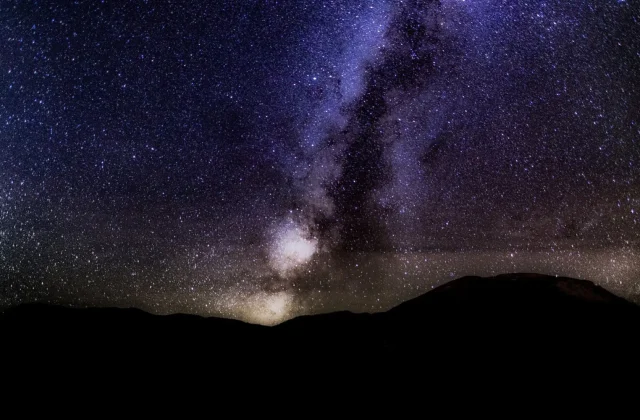
When I saw the sky fill with a green curtain on the fifth night, my tripod was already set up and my settings ready. With a wide-angle lens, I opened the aperture all the way, raised the ISO to around 1,600 and set the shutter speed to eight seconds. When the lights moved quickly, dropping the shutter speed to four seconds helped preserve the detail in the curtain.
To set focus to infinity, I used a star or a distant light from the night before and turned off autofocus. I kept the white balance at around 4,000 Kelvin so the greens would look natural. I placed rocks and a small fishermen's cabin in the foreground, which gave the scale of the lights a reference and made the frame more than just a sky photo.
Managing batteries and gear in the cold
Battery life drops fast in the cold. My spare batteries waited in an inside pocket, warmed by my body heat, and I swapped them into the camera in turn. Taking gear from a warm room straight into the cold can fog up the lens, so I put the camera in its bag and let it adjust to the outside temperature gradually. When I came back in, I did the same in reverse.
| Topic | Travel |
|---|---|
| Highlights | night photography, astrophotography, tripod |
| Reading time | 6 minutes |
| Written by | Mark Ellison |
Key takeaways
- You need two apps to track the light index and cloud cover together.
- A wide angle, open aperture and an exposure of a few seconds capture the green curtain.
- Warming spare batteries in an inside pocket is the simplest way to keep shooting in the cold.
Your own safety matters as much as your gear. Layered clothing, heated gloves and a headlamp are a must. When working near the shore in the dark, the ground can be slippery; rather than going out alone, letting someone know where you are is a good precaution. The northern lights are more an experience than a photo subject, so don't forget to stand by your tripod for a minute and simply watch.
What do you think about this post?

Leave a comment