




















































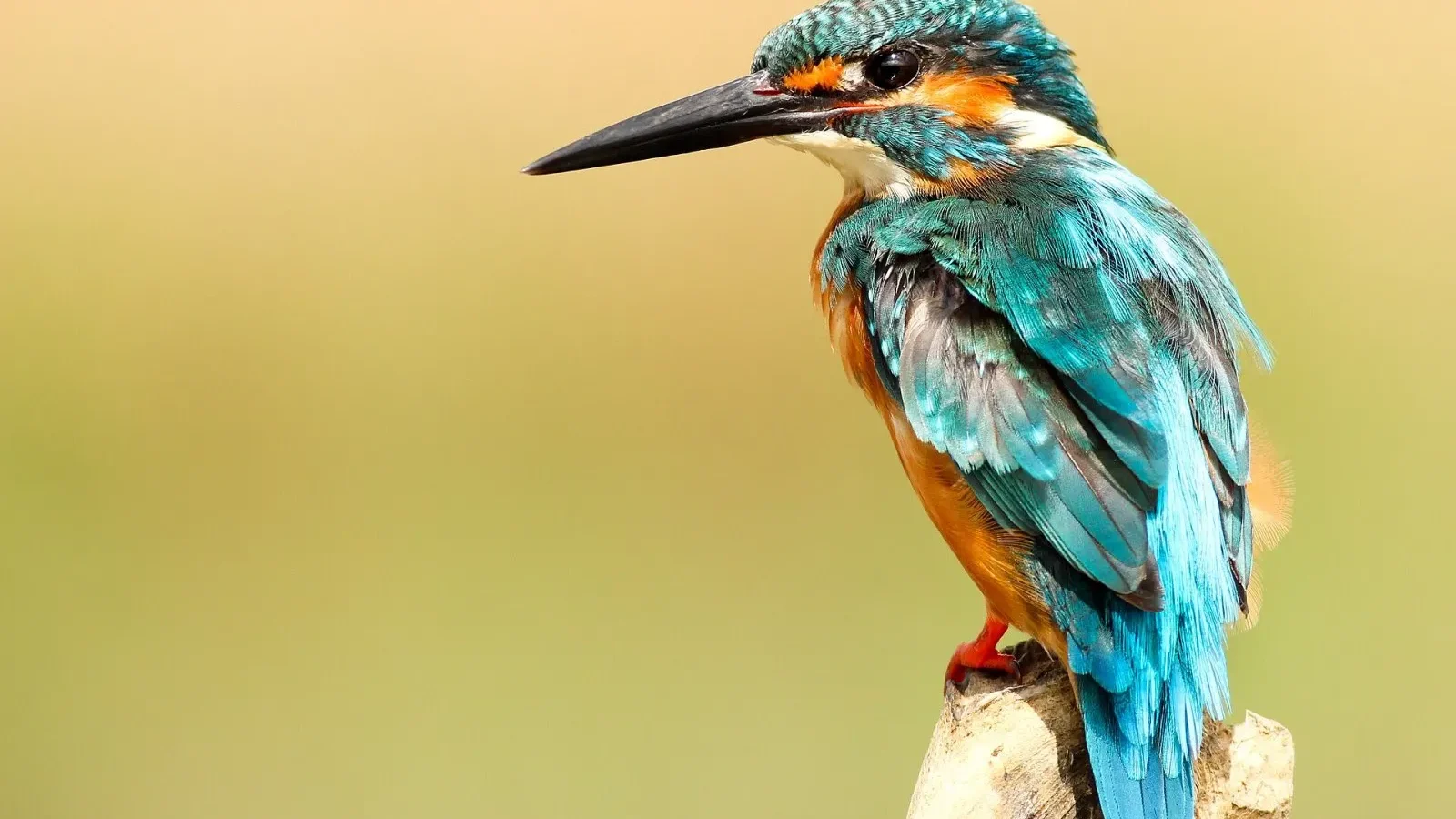
I was introduced to bird photography the day I spotted a kingfisher in the reed beds near my home and tried to photograph it. I didn't come home with a single sharp frame that day, but I knew this new passion would stay with me for years. In this post I share suitable lens options for beginners, how to move in the field and the basic rules for working without disturbing birds. Remember, no photo is worth a bird abandoning its nest.
In this article
- Which lens should you start with?
- Camouflage and fieldcraft
- Rules for not disturbing birds
Which lens should you start with?
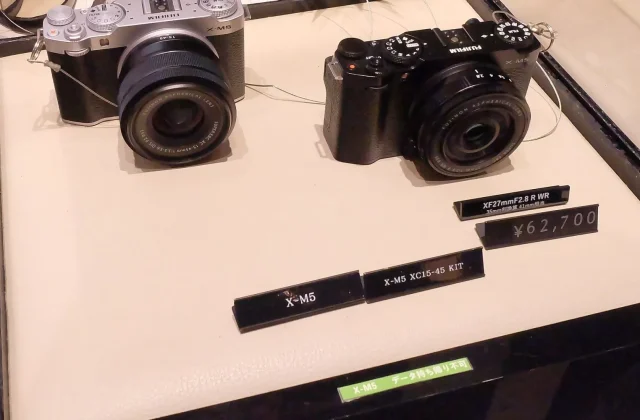
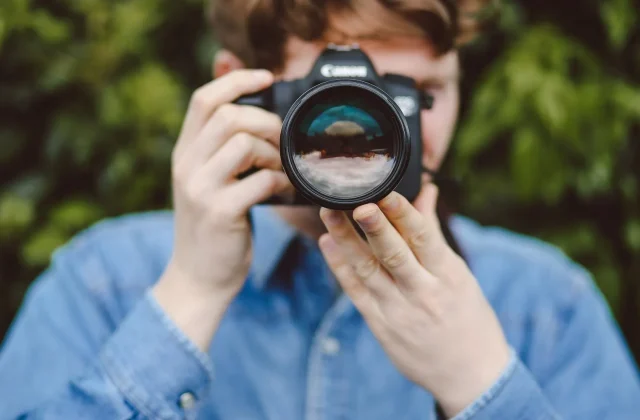
In bird photography, choosing a lens is the most critical part, because most birds won't let people get close. A telephoto lens of roughly 400 to 600mm lets you fill the frame from a safe distance. If your budget is limited, you can start with a telephoto zoom of around 300mm and crop the frame later to get closer.
When working with heavy lenses, a tripod or monopod makes a big difference. Arms get tired, especially during long waits, and shake ruins sharpness. Fast autofocus and burst shooting are a must for catching brief moments like a wingbeat or a turn of the head. I also recommend that beginners buy a pair of binoculars as good as their lens.
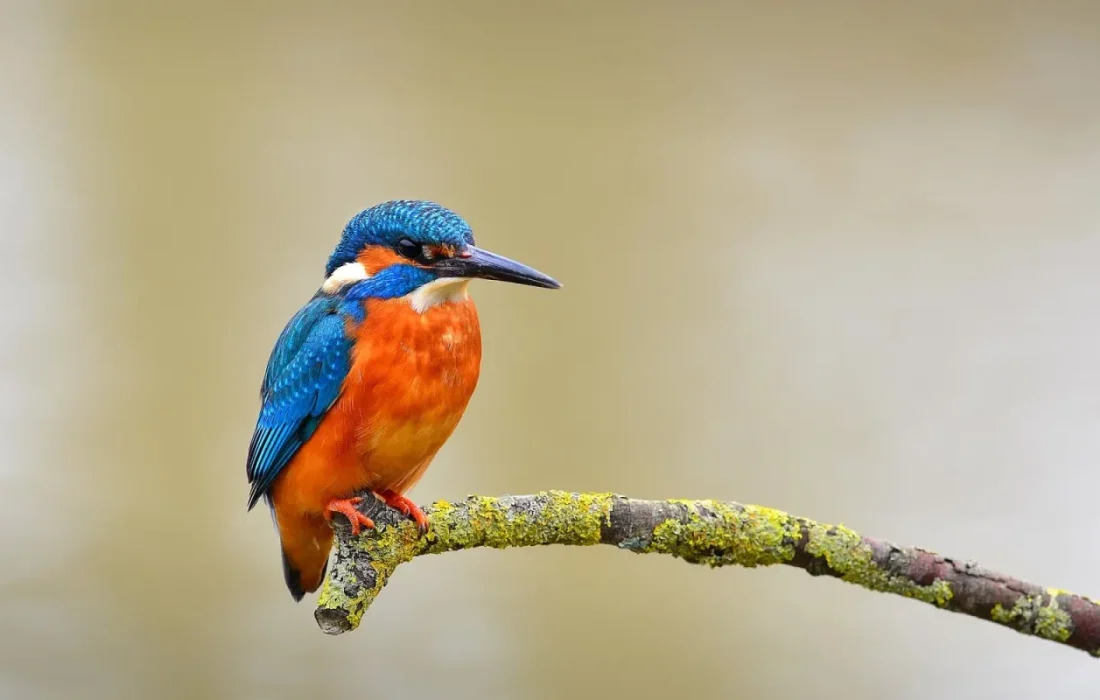
In bird photography, the most important piece of gear is patience.
Sarah Bennett
Camouflage and fieldcraft
Camouflage is the best way to keep a bird from noticing you. Wearing clothes in green, brown and earth tones outdoors and avoiding bright colors is the first step. A camouflage hide or a simple blanket screen comes in very handy when you'll be staying in one spot for hours. Keep your movements slow and avoid sudden noises.
The most important rule of fieldcraft is to watch the bird's behavior. If it keeps turning its head toward you, calling or flicking its wings, it's disturbed. In that case, slowly back away. Birds are more active early in the morning and late in the afternoon, and the light is at its best for photography at those times too. Reed beds and waterside areas are often the most rewarding spots.
Rules for not disturbing birds
The ethics of bird photography come before the photo itself. Not lingering near nests, not approaching a nest to photograph chicks and not luring birds for the camera with bait or recorded calls are chief among these rules. A bird's life is always more important than a photo. That's why it's important not to force a bird's behavior while shooting and to always leave it a way out, because a bird at ease gives more natural frames.
| Topic | Nature |
|---|---|
| Highlights | nature photography, lens, tripod |
| Reading time | 8 minutes |
| Written by | Sarah Bennett |
Key takeaways
- A 400–600mm telephoto lets you get close to birds from a safe distance.
- Natural-toned clothing and slow movement are the foundation of camouflage.
- Keeping away from nests and not disturbing birds comes before any photo.
During sensitive periods like breeding season, keep your shoots short, learn the local conservation rules and get in touch with birdwatching communities. Hiding the nest locations of rare species when sharing shooting spots on social media is also part of the responsibility. A photographer who approaches with patience and respect soon notices that birds stay closer.
What do you think about this post?


Leave a comment