




























































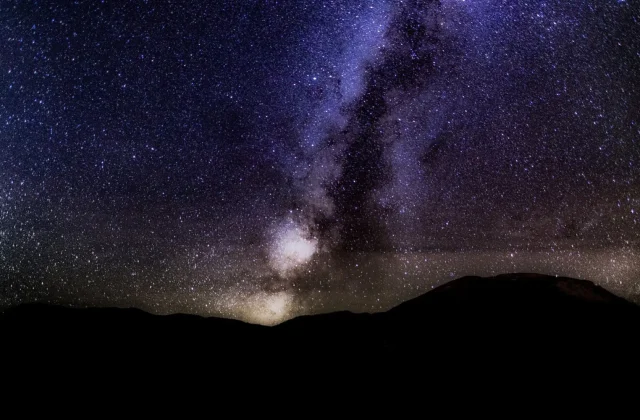


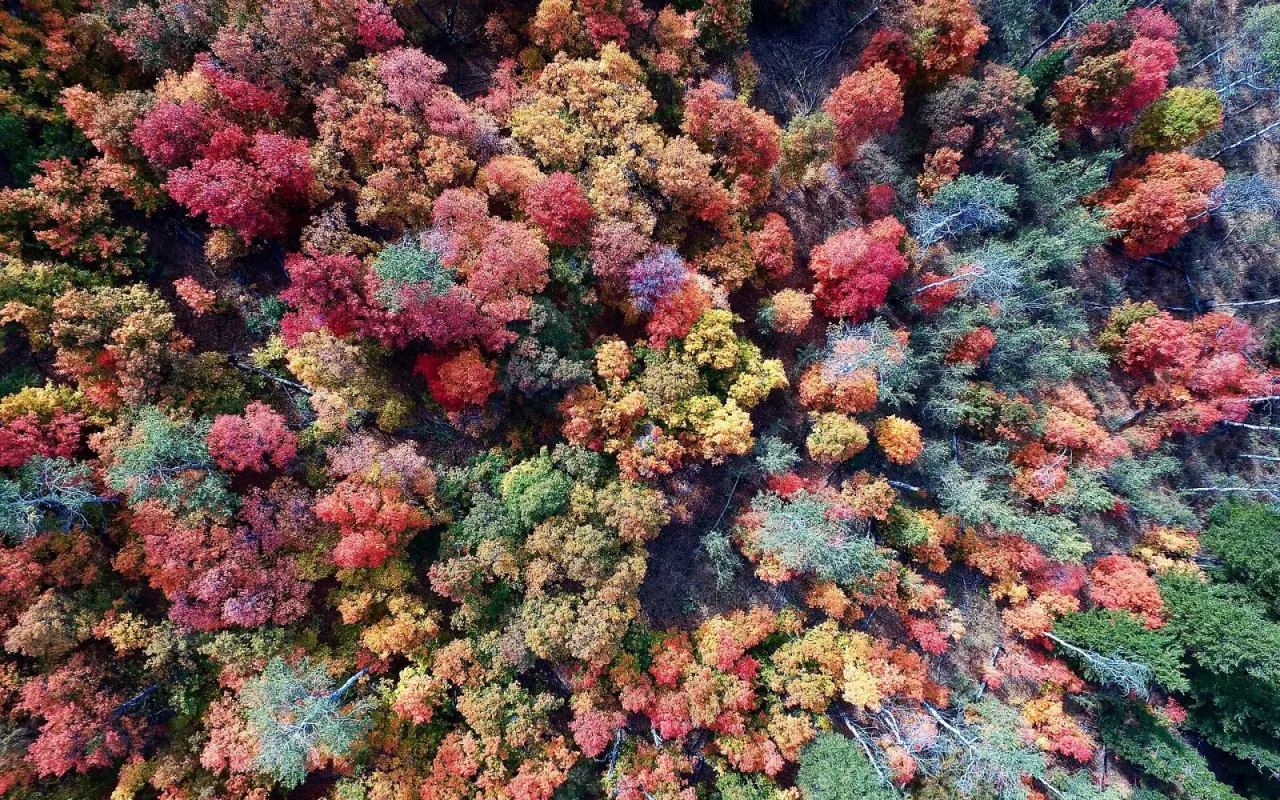


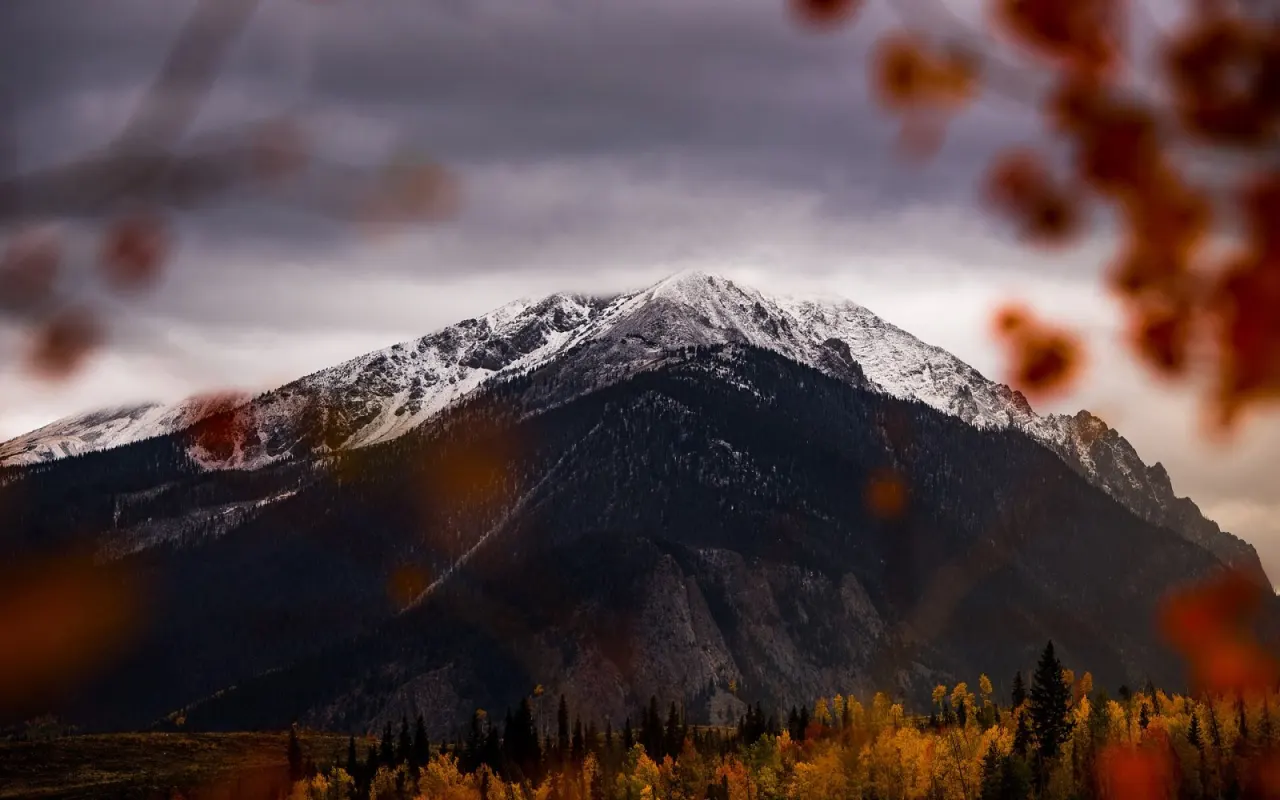
Every year toward the end of October, the forests around the Seven Lakes briefly turn every shade of red, orange and yellow. This year I followed the forecast and leaf fall closely so as not to miss that week. On the first morning, thick mist hung over the lakes, and the half hour in which the sun slowly burned it off was one of the most magical moments of the year. In this gallery I share that week, with the reflections I caught in windless hours and a few aerial frames.
In this article
- A misty morning and the first lake
- Windless hours for catching reflections
- Practical visitor information
A misty morning and the first lake
When I reached the shore of the largest lake that first morning, the mist hung almost motionless on the water. The forests on the far bank were barely visible; red and orange trees appeared in patches behind the white veil and vanished again. I put down my bag and just watched at first. In misty scenes, rushing is the quickest way to miss the whole atmosphere. So before opening my bag, I stood on the shore for five minutes and simply breathed.
Exposure in misty light takes care. The camera's meter usually reads the scene as gray and darkens it, so I dialed in about a stop of positive compensation. I locked the white balance to daylight to preserve the cold blue of the morning. As the mist cleared, I kept recomposing, capturing a different version of the same view every five minutes.
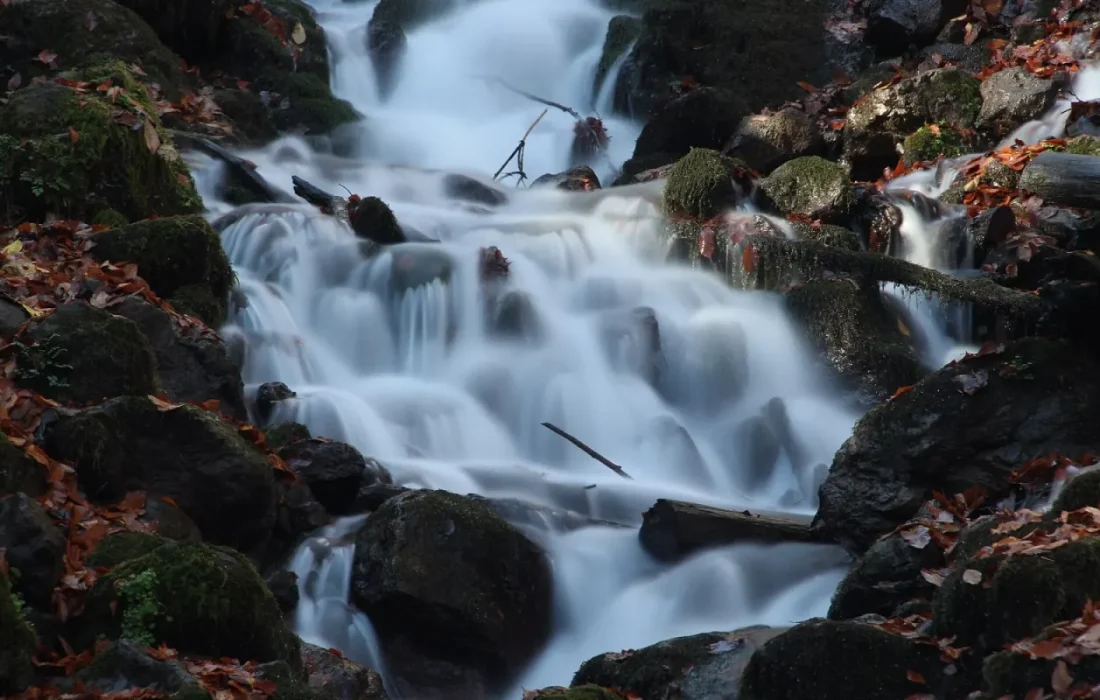
Autumn at the Seven Lakes lasts a single week; miss it and you wait a year.
Sarah Bennett
Windless hours for catching reflections
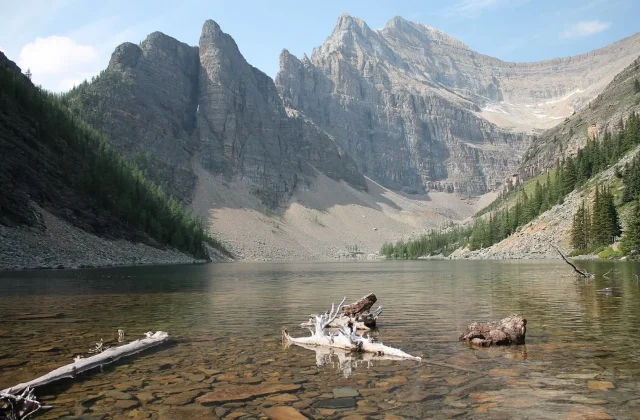
Reflection photography needs a windless moment, and at the Seven Lakes that moment usually comes in the first hour after sunrise. When the lake surface is like glass, the trees in the water look almost more vivid than the real ones. With a low tripod I brought the camera close to the water level, so the reflection filled half the frame and created a symmetrical composition.
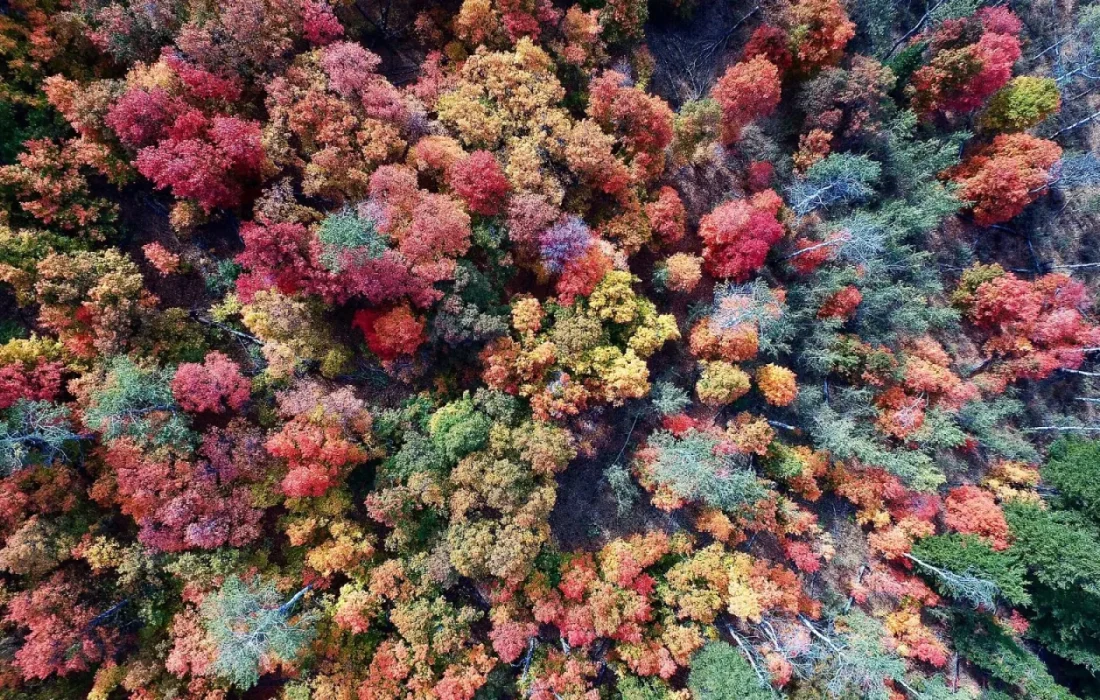


A polarizing filter cuts both ways in these shots. It can saturate the colors by reducing glare on the leaves, but it can also weaken the reflection. So I slowly rotated the filter to find the point that balanced vivid color with a crisp reflection. In the aerial frames I shot with a small drone, you can clearly see the ring of colored foliage around each lake.
Practical visitor information
When planning your visit, you need to track the timing of leaf fall in advance. Depending on temperatures, the most colorful week can shift by a few days each year. I chose to go on a weekday, because long lines form at the park entrance on weekends. That also made it much easier to find a spot on the shore early in the morning.
| Topic | Nature |
|---|---|
| Highlights | nature photography, light, drone |
| Reading time | 5 minutes |
| Written by | Sarah Bennett |
Key takeaways
- On misty mornings, positive exposure compensation keeps the scene from looking gray.
- Windless hours and a low tripod let the reflection fill half the frame.
- Tracking the leaf-fall calendar and going on a weekday make the visit easier.
My packing list included boots, a waterproof jacket and thin gloves; mornings can be cold and the ground muddy. Following park rules, staying on the trails and taking your trash with you are everyone's responsibility in protecting such a beautiful place. To avoid disturbing wildlife, I kept my drone flights short and followed local regulations.
What do you think about this post?


Leave a comment