































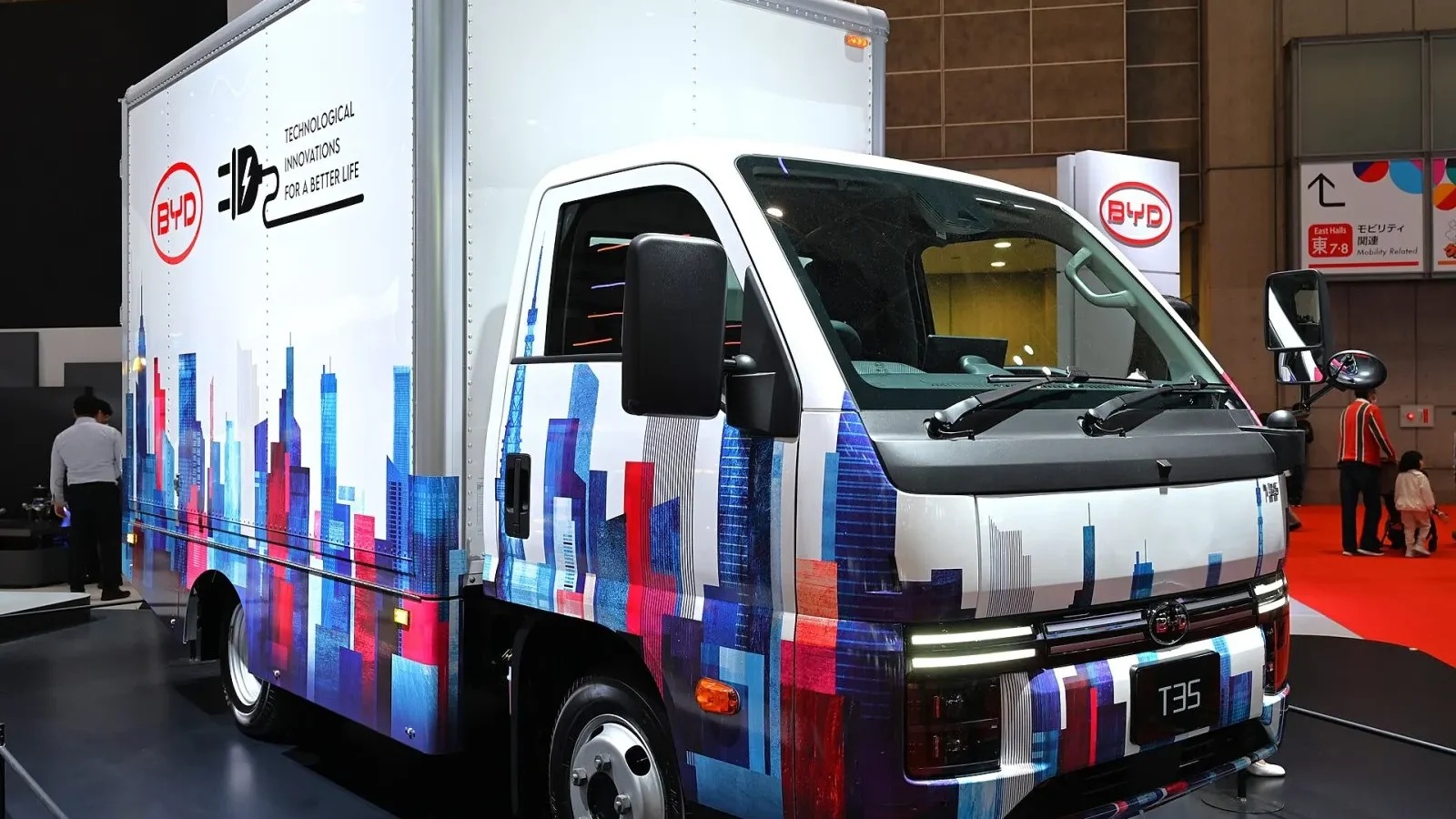
The new brands entering the market this year: who’s making a play in which segment?
Showrooms are filling up with new names, especially as Asian manufacturers step up their push. We looked at the new brands' model ranges, service network plans and pricing strategies.
Table of contents
Over the past two years, the car market has welcomed more new brands than ever before. Asian manufacturers in particular have quickly begun building large dealer networks with their electric and plug-in hybrid models. But when buyers consider a new brand, what they question most is not the product itself but after-sales service and resale value. We compared the model ranges, service network targets and pricing approaches of the brands that entered the market this year. We've also summarized in tables which brand is making a serious play in which segment.
New faces in the showrooms
Most of the new names in showrooms are entering the market with electric and plug-in hybrid models. Compact crossovers and midsize SUVs stand out as these brands' first move. Generous standard equipment, big screens and advanced driver assistance systems are common themes across their ranges. This approach is rapidly expanding the variety of models on the market and livening up competition.
Each brand's approach is different. Some offer only fully electric models, while others keep hybrid and gasoline options in their catalogs. There are brands targeting the mass market with low entry prices and others focusing on the premium segment and planning to sell fewer cars. The spread across segments is therefore very diverse. For buyers, that diversity means a wealth of choice.
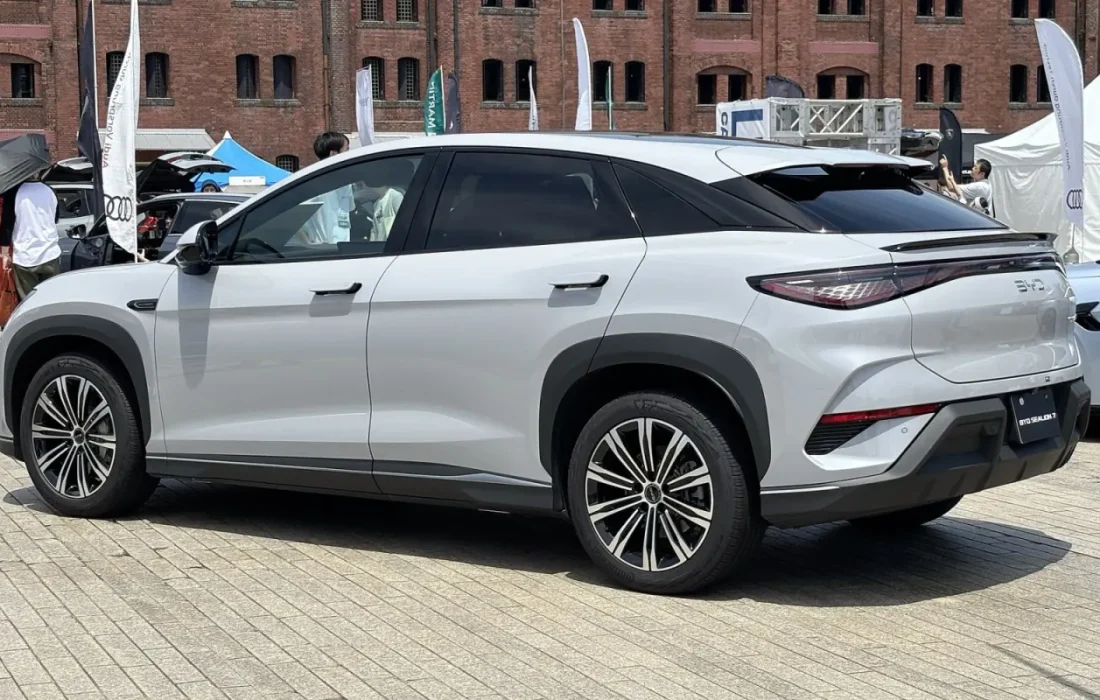
Trust in a new brand is earned at the service bay, not in the showroom.
Emily Carter
The service network and spare parts question
When choosing a new brand, the questions buyers ask most are about the service network and spare parts. In the first phase, brands are opening authorized service centers in big cities, while in other regions they plan to work with partner garages. Keeping parts in stock at local warehouses is the most important way to shorten waiting times. This gap is seen as the first and most important test new brands have to pass.
After-sales commitments vary by brand. Some manufacturers try to build trust by offering extended and battery warranties. Mobile service vans and roadside assistance are also among the ways of covering gaps in the network. Buyers are advised to ask about the distance to the nearest service center, its opening hours and parts delivery times before they buy.
Pricing strategies
Pricing strategies are heading in two directions. Some brands are trying to win market share by offering more equipment at lower prices than their rivals. Others set themselves apart with higher prices but premium materials and brand image. Finance, trade-in and leasing offers form the second leg of this strategy. That's why price alone shouldn't be the yardstick when choosing a brand.
| Topic | Brands |
|---|---|
| Highlights | electric vehicles, SUV, hybrid |
| Reading time | 8 minutes |
| Written by | Emily Carter |
Key takeaways
- Most new brands are entering the market with electric and plug-in hybrid models.
- The service network and parts supply are what buyers question most.
- Pricing follows either a low-price, high-spec strategy or a premium positioning.
Resale value remains one of the biggest unknowns for new brands. Since there isn't enough data yet, some brands offer buyback guarantees or guaranteed future values. The smart approach for buyers is to read the terms of offers in detail and compare the total cost of ownership. The market is expected to get even busier over the next two years.
What do you think about this post?
Leave a comment