























































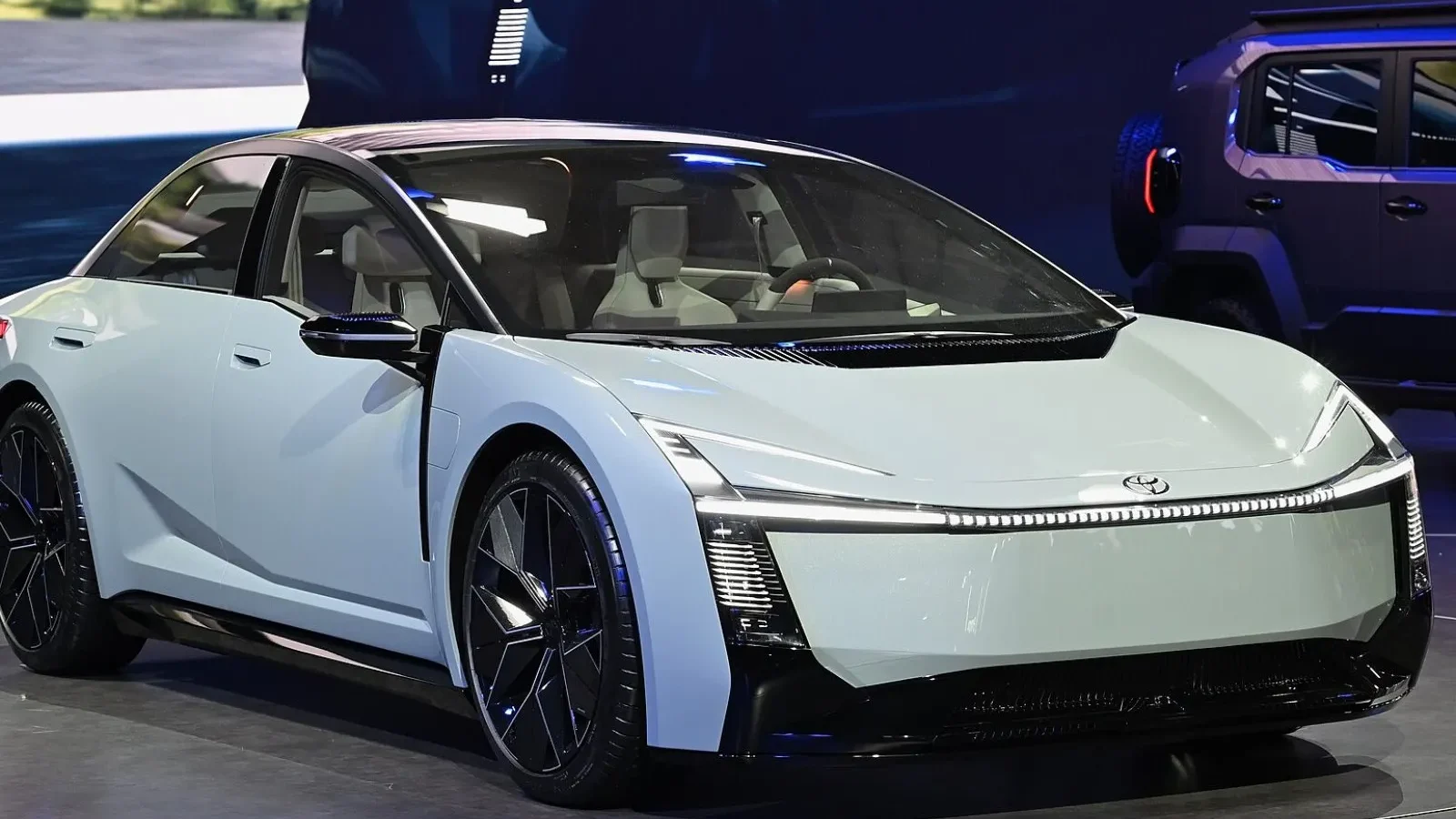
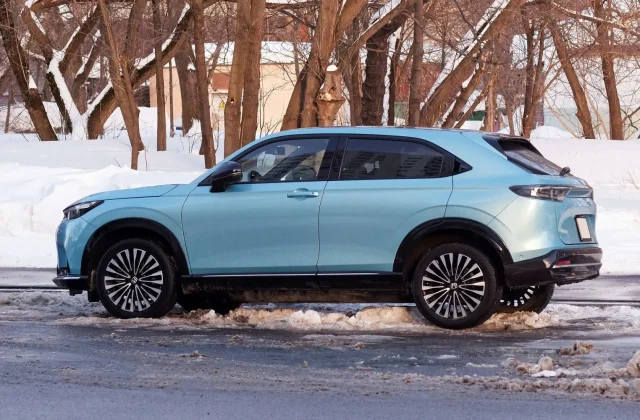
We spent a week in city traffic with the compact hybrid sedan
It supposedly halves fuel consumption in stop-and-go traffic. We used the compact hybrid sedan as our daily driver for a week. All the details are in our video review.
Table of contents
For drivers who spend two hours a day stuck in city traffic, hybrid technology is an attractive alternative. So we drove the newest hybrid in the compact sedan segment for a week, from the daily commute to the grocery run. With the electric motor taking over at low speeds, it was both quiet and remarkably economical in traffic. In our video review we share the real-world consumption figures we measured.
Cabin and comfort
Two different drivers used the car over the week, and our impressions of the cabin largely matched. The seats caused no fatigue even in long traffic jams, and the lumbar support and height adjustment suited a wide range of people. The physical climate buttons on the center console could be used without looking, even in the dark, and we noted that as a plus again and again.
Cabin insulation was good for the segment; at low speeds only tire noise could be heard. The rear seat offered enough knee room for two average-height adults. The trunk lid opens wide, but a slight lip gets in the way of loading. The child seat anchors were easy to reach, and fitting a seat took less than a minute.
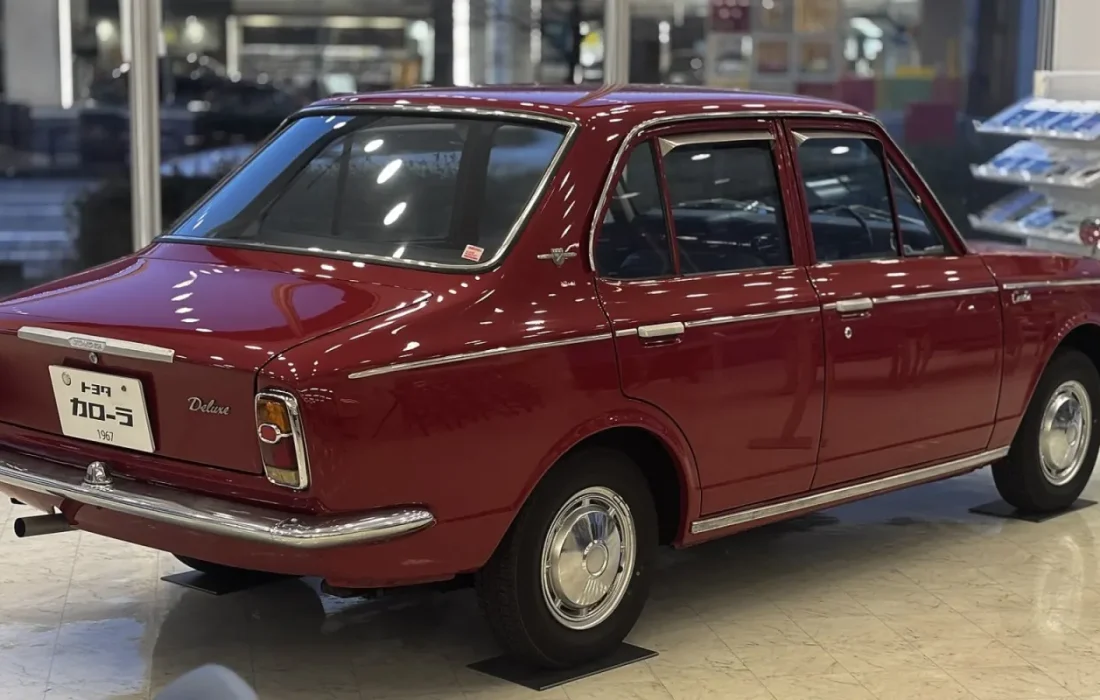
The heavier the traffic, the more the hybrid system saves you.
Sophie Laurent
How the hybrid system performs in town
In town, the car's character really comes into its own as the traffic thickens. In stop-and-go sections it ran mostly on the electric motor, with the gasoline engine kicking in only under acceleration and to top up the battery. The transitions were so smooth that it was hard to tell which motor was running without looking at the energy flow display. Throughout the test, the comments of both drivers confirmed its light, calm and effortless character.
Average consumption over the week was 4.3 liters per 100 km (about 55 mpg). That's roughly half that of the gasoline equivalent we drove on the same route. Consumption dropped even further in the morning and evening rush hours and rose slightly on empty roads at the weekend. In other words, the system shows its biggest advantage in heavy city traffic, where speeds are low.
Price and rivals
On price, the car sits in the upper-middle band of the segment depending on trim level. Fuel savings can offset the extra cost of the hybrid system within about three to four years, although annual mileage will of course change that calculation. We were pleased to find lane-keeping assist and emergency braking as standard. Still, we recommend working out the upfront cost against your annual use and comparing different trim levels.
| Topic | Road Tests |
|---|---|
| Highlights | hybrid, fuel economy, road test |
| Reading time | 6 minutes |
| Written by | Sophie Laurent |
Key takeaways
- In stop-and-go traffic the car ran mostly on electric power, with very smooth transitions.
- Average consumption over the week was 4.3 liters per 100 km.
- Lane-keeping assist and emergency braking come as standard.
Rivals include models offering both gasoline and hybrid versions. They have the edge on trunk space, while the car we tested holds strong on city fuel economy and cabin quietness. For drivers whose daily use consists of short trips and who spend a lot of time in heavy traffic, this hybrid sedan is a sensible candidate. Those who mostly drive long distances should definitely try the rivals too.
What do you think about this post?
Leave a comment