































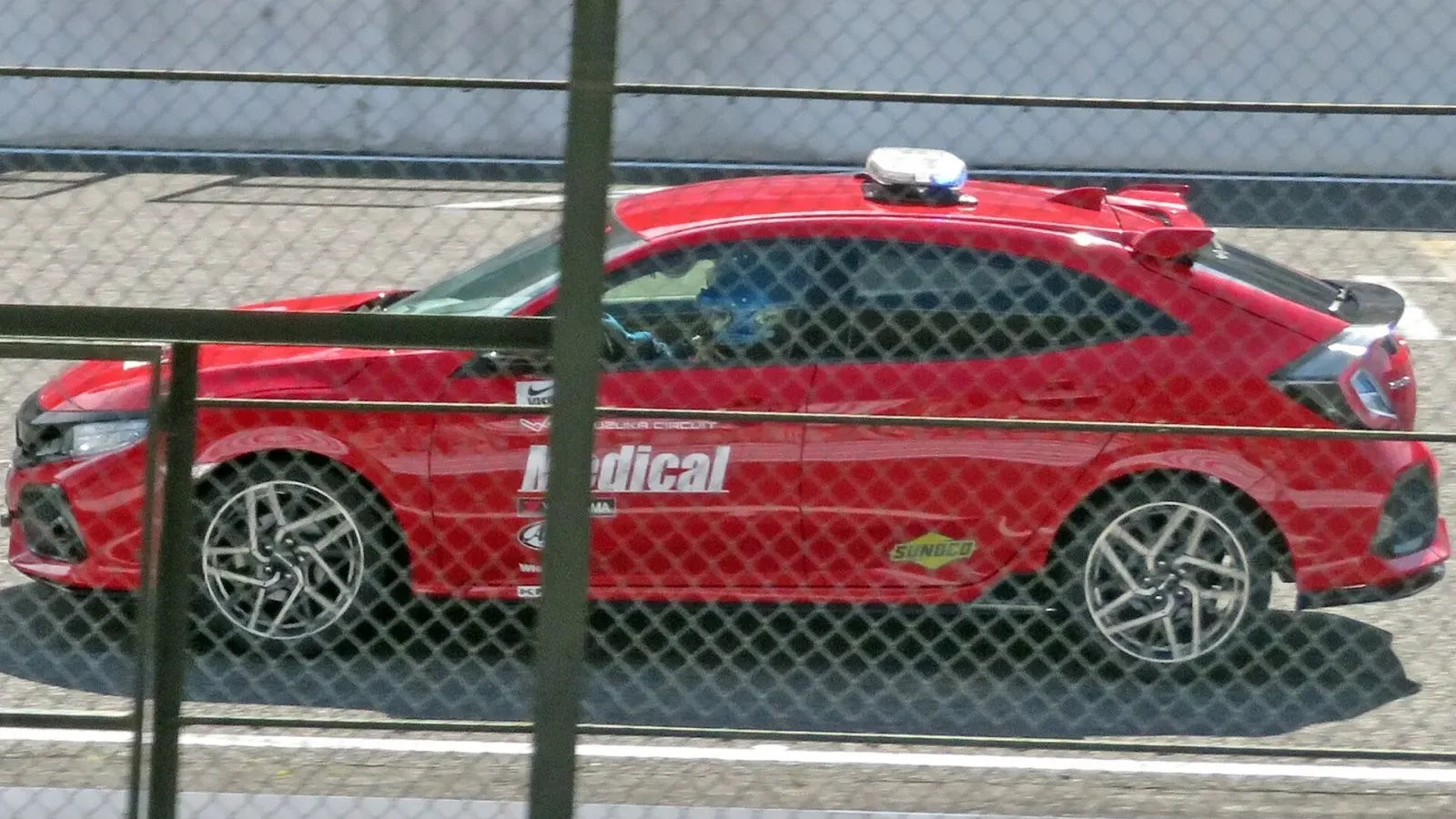
Launch special: design details of the new-generation compact hatchback
We took a close look at the new-generation compact hatchback unveiled at its European launch. All the details, from exterior design to cabin materials, are in our video.
Table of contents
Despite the rise of the SUV, the compact hatchback segment remains one of the best-selling in Europe. The new-generation model whose launch we attended looks far more dynamic than before, thanks to a wider track, sharper headlights and aerodynamic details. Inside, we were pleased to see that physical buttons have been kept for frequently used functions despite the big screens. We also share details of the engine options and when the car arrives in dealerships in our video.
Sharper lines, wider track
The new-generation hatchback's exterior design has a noticeably more horizontal stance than before. Up front there's a slim, sharp headlight cluster, and the lower bumper features a wide grille that channels airflow. The track has been widened on both axles, so the car looks wider and more planted on the road.
In profile, the shoulder line rises toward the rear and the roofline gently drops. The designers did detailed work on the rear spoiler, side mirrors and wheel designs to lower the drag coefficient. At the back, a light bar spanning the full width strengthens the car's identity. New color options are also on the list. These details make the car look a little more sophisticated than the rest of its segment.
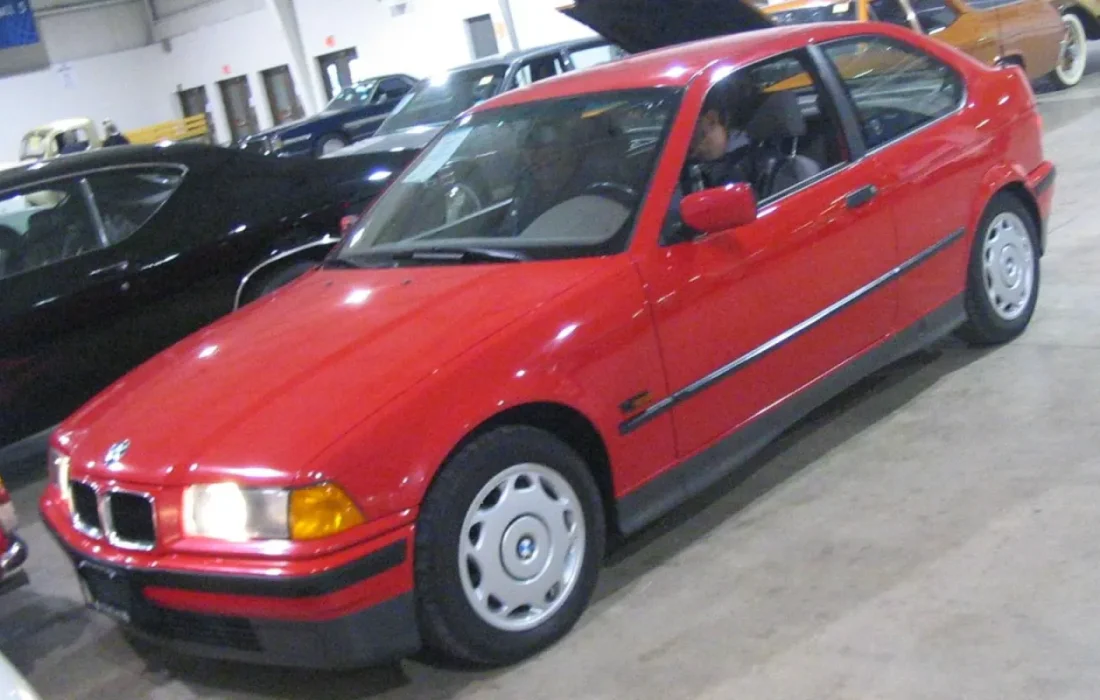
The return of physical buttons is the clearest sign of design that listens to drivers.
Emily Carter
A digital makeover in the cabin
The most important change in the cabin is the large digital instrument cluster in front of the driver and the horizontal screen in the center. The software interface has been simplified and the menus made shallower. What's interesting, though, is that in response to customer feedback, the design team has gone back to physical buttons for frequently used functions such as volume, climate and temperature. User experience sits at the heart of the design process.
Material quality now approaches the class above: textured surfaces on the door panels and soft-touch trim instead of hard, matte plastic on the center console. The ambient lighting offers 30 different colors. In the rear, knee room has grown slightly over the previous generation, while trunk space stays at a similar level.
Engine options and launch timing
The engine range consists of a mild-hybrid gasoline three-cylinder, a full-hybrid four-cylinder and a plug-in hybrid. The entry engine offers enough power for everyday city driving, while the plug-in hybrid is said to cover around 80 km (50 miles) on electric power alone. The manufacturer quoted consumption figures under the European test standard.
| Topic | Brands |
|---|---|
| Highlights | road test, hybrid, fuel economy |
| Reading time | 4 minutes |
| Written by | Emily Carter |
Key takeaways
- The new design brings a more horizontal stance, a wider track and sharp headlights.
- Despite the big screens, physical buttons have been kept for frequently used functions.
- The engine range runs from mild hybrid to plug-in hybrid.
As for timing: orders open in Europe right after the launch, with the first deliveries a few months later. Officials said the date for other markets hasn't been confirmed yet, but they are working toward the second half of the year. Prices and trim breakdowns will be announced shortly before sales begin. It's worth following announcements from the dealer network for confirmed details.
What do you think about this post?
Leave a comment