
































































Hybrid, plug-in hybrid or fully electric: which one suits you in 2026?
Daily mileage, access to charging and budget are the three keys to choosing the right technology. We compared all three on cost and ease of use for different types of drivers.
Table of contents
Anyone shopping for a new car now has more to choose from than gasoline and diesel. Full hybrids, plug-in hybrids and fully electric models all sit in showrooms, each with its own advantages. But the right choice depends far more on a driver's daily habits than on the brochure's consumption figures. A driver with charging at home or at work who covers short distances each day has very different needs from someone who regularly takes long trips. We compared the three technologies on cost, ease of use and resale value for different profiles.
Three technologies, three different philosophies
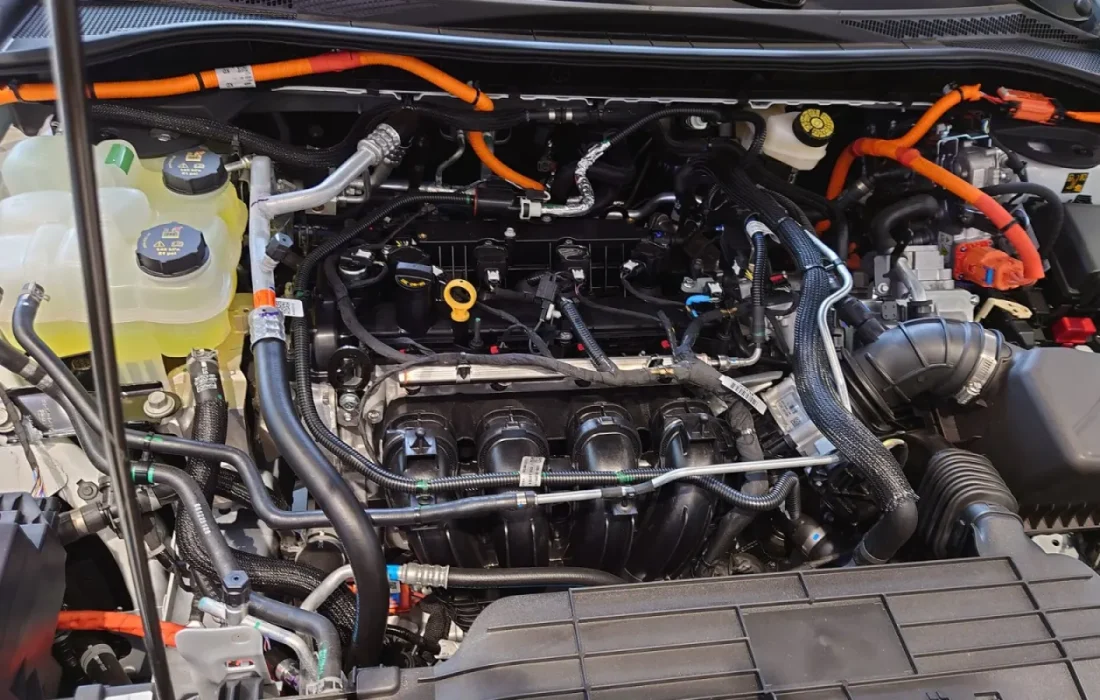
Full hybrids carry a small electric motor and battery alongside the gasoline engine. The battery charges itself during braking, so no plugging in is needed. These cars are the easiest switch for those not used to plugging in: you fill up the same way, but consumption is noticeably lower. Each of the three suits a different way of driving and meets different expectations.
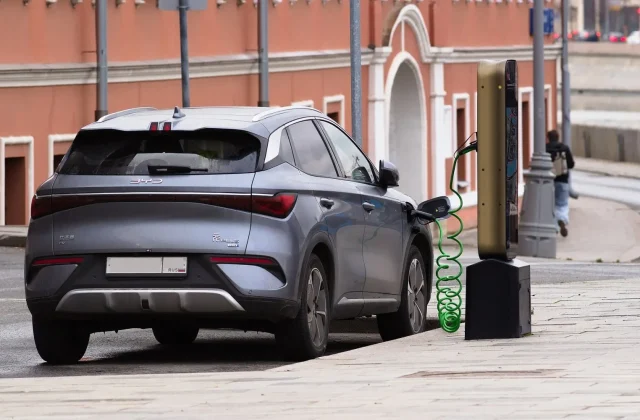
Plug-in hybrids have a bigger battery and can be plugged into an outlet. You can cover short distances on electric power and switch to the gasoline engine for long trips. Fully electric cars run on a battery and electric motor alone. There are no tailpipe emissions and running costs are low, but charging needs planning. The three technologies head toward the same goal by different routes.
The right technology isn't the newest one; it's the one that best fits your lifestyle.
Emily Carter
The right choice for your driver profile
For someone with a short daily commute and access to charging at home or at work, a fully electric car may be the most sensible choice. If they take long trips a few times a year, fast-charging stations are enough. If the same person has no access to charging, a full hybrid is the more practical solution.
For drivers who often take long trips, live in rural areas or have limited access to charging points, a full hybrid or plug-in hybrid is the safer bet. A plug-in hybrid offers both electric driving in town and long trips without range anxiety. But if it isn't charged regularly, much of its advantage is lost.
Total cost of ownership
Total cost of ownership covers not just the purchase price but also fuel, maintenance, insurance, taxes and resale value. Electric cars generally cost more to buy but less to run. Hybrids have a more moderate purchase price and better fuel economy than gasoline models. The higher your annual mileage, the bigger the advantage of electric cars and hybrids.
| Topic | Comparisons |
|---|---|
| Highlights | comparison, hybrid, electric vehicles |
| Reading time | 10 minutes |
| Written by | Emily Carter |
Key takeaways
- A full hybrid doesn't need plugging in; plug-in hybrids and EVs need charging.
- Home charging and daily distance are the first factors that determine the right technology.
- Comparing total cost of ownership over three to five years is the best guide to your decision.
When deciding, it helps to write down your own usage scenario: how many kilometers a year, how much of it in town, and where you can charge. Then get detailed quotes from dealers and compare the total cost over three to five years. The right technology isn't the newest one; it's the one that best fits your lifestyle. Once you've done the math, the choice will be much easier.
What do you think about this post?

Leave a comment