





















From our London correspondent: Britain’s borders ten years after the referendum
Ten years have passed since the decision to leave Europe. Our correspondent saw firsthand how the new border regime has affected daily life and trade in the port towns.

Table of contents
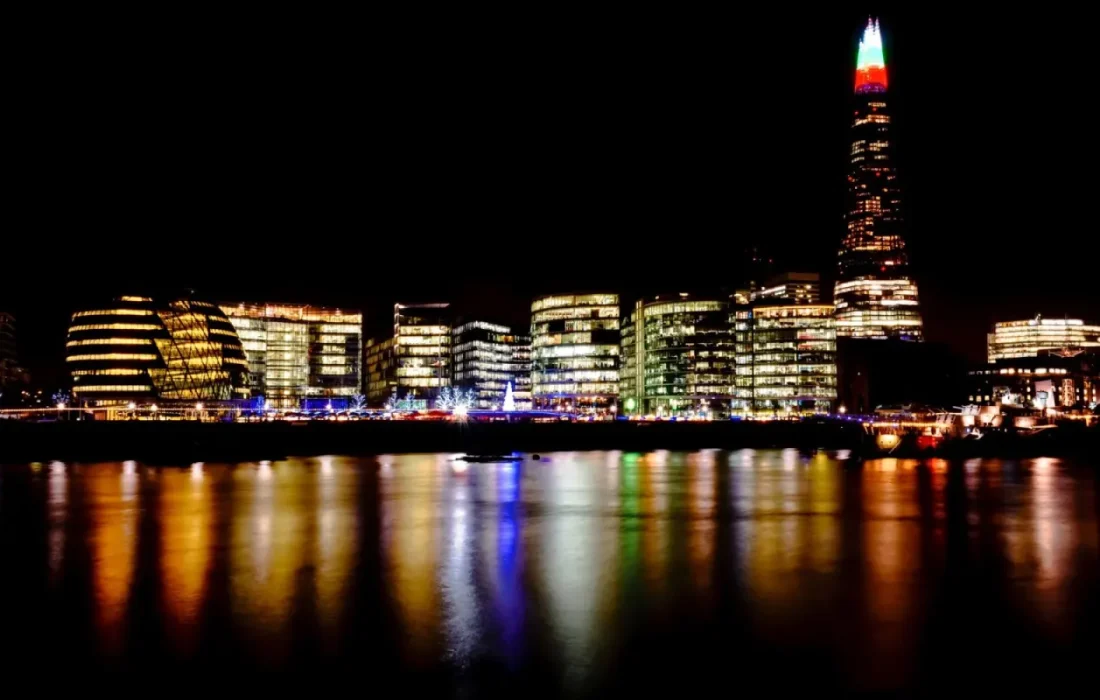
Ten years have passed since the referendum in which the United Kingdom decided to leave the European Union. Our London correspondent reported from the port of Dover and the capital's immigrant neighborhoods on how much has changed in that time, from trade to travel. Truck drivers say waiting times have shortened as customs procedures have gone digital, but the paperwork is still heavy. Immigrant entrepreneurs living in London say adapting to the new order has taken time, but business ties have carried on in other ways. We took stock of the decade on the ground.
First impressions after a decade
The heated debates of the referendum's early days seem to have given way to everyday routine. People we interviewed on the streets of London say they still talk about the economic and social consequences of leaving. Some see the process as a loss, while others highlight the advantage of making decisions independently. Society remains divided on the issue. Polls confirm that divide.
Topics such as the decline in university exchange programs and fluctuations in the number of foreign workers in local health services come up often. A fellow journalist says the tone of the debate has softened compared with ten years ago, with the focus now on details rather than emotions. The numbers, meanwhile, are open to different interpretations. Some experts say it is still too early to draw firm conclusions on these issues.
The borders have changed, but trade always finds a new way.
Ethan Brooks
A new order at the ports
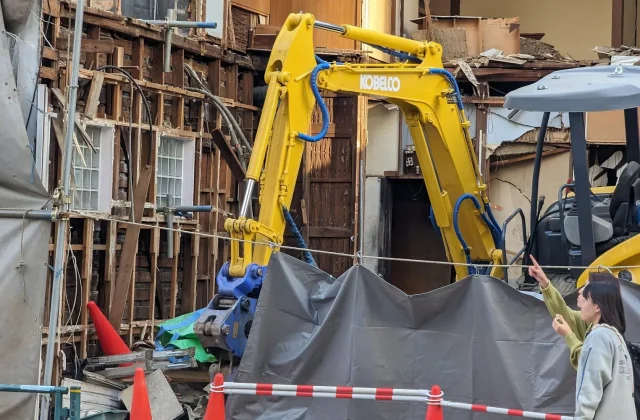
Customs procedures at the port of Dover are now largely digital. Truck drivers say waiting times have shortened thanks to electronic declarations filed before crossing, but the paperwork is still heavy. The queues of the new regime's early years are much rarer today, though congestion can still build up in busy seasons. Staff along the route confirm the same pattern.
Port officials say the areas set aside for customs and agricultural checks have been expanded. Separate lanes have been created for vehicles carrying fresh produce. Industry representatives say that despite shorter times, companies are passing inspection and certification costs on to prices, which ultimately reach consumers. That's why building extra time into journey plans is still a good rule for drivers.
What it means for exporters
For our exporters, the period has called for both seizing opportunities and adapting. The trade agreement between the United Kingdom and our country that came into force boosted exports of textiles, auto parts and food products. Still, new certification and labeling rules mean extra effort for small firms. Officials say they are open to strengthening ties.
| Topic | World |
|---|---|
| Highlights | foreign policy, transport, inflation |
| Reading time | 8 minutes |
| Written by | Ethan Brooks |
Key takeaways
- In London, the post-referendum debate now focuses on details rather than emotions.
- Digital customs at Dover have cut waiting times, but the paperwork remains.
- Exporters are adapting to new certification rules and continuing to trade.
Immigrant entrepreneurs doing business in London say it has become harder to find staff in retail and restaurants. Others have developed new products by taking advantage of the competitive edge the new order brings. Trade advisers stress that by the end of the decade, relations have settled on a different footing and two-way trade continues. In this light, the first decade of the new era points to a period of trial, error and adaptation.

Leave a comment