




























































Drought deepens in the Tigris-Euphrates basin: A shared test for the region
Falling rainfall and rising temperatures are putting more pressure on the basin's water resources. Experts stress that regional cooperation matters more than ever.
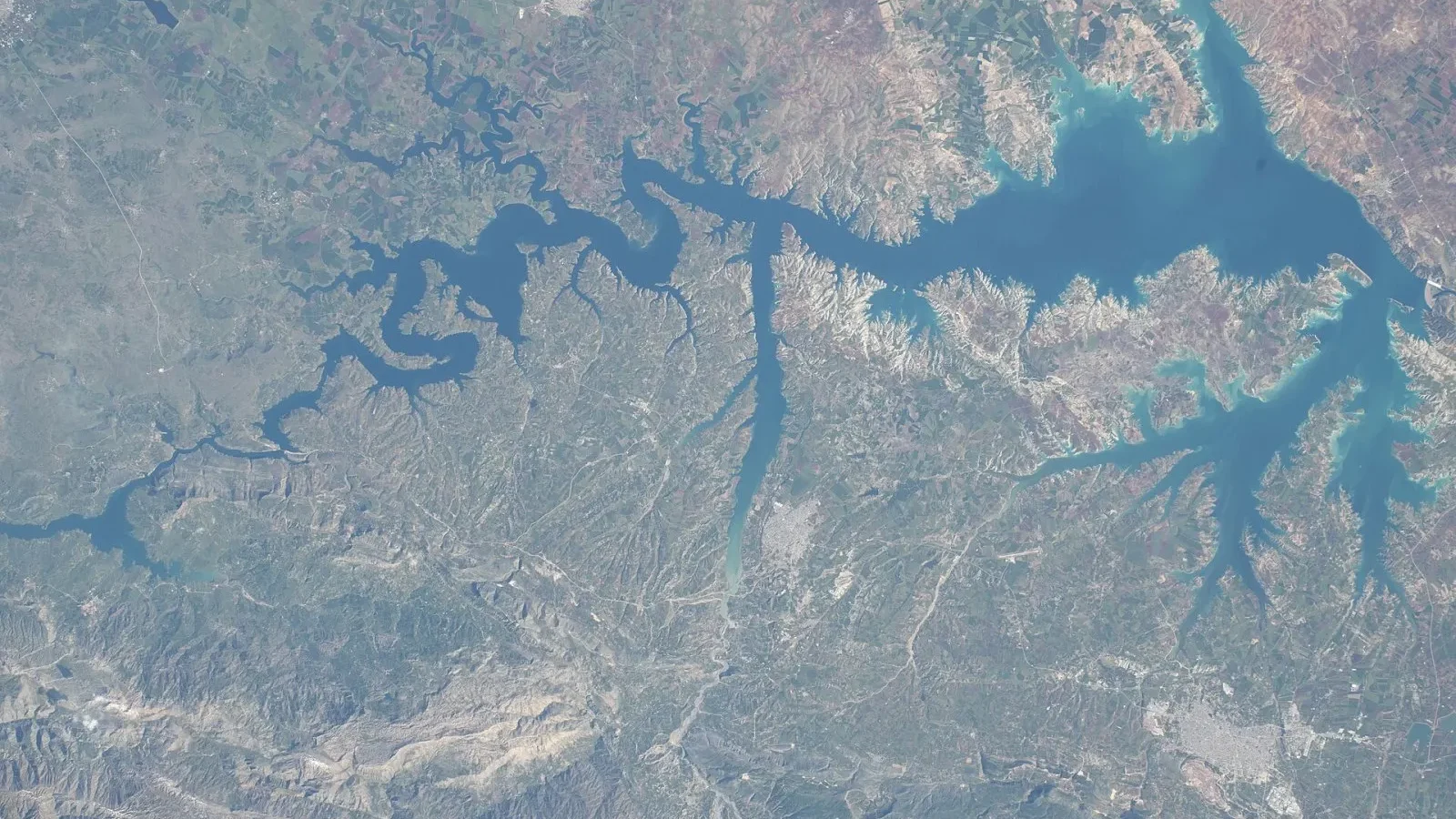
Table of contents
The Tigris and Euphrates, Mesopotamia's lifelines for thousands of years, are under mounting pressure from climate change. In recent years, lower rainfall and hotter summers have caused marked drops in the rivers' flow. Water policy expert Prof. Kevin Alton says the drought is having knock-on effects on everything from farm output and drinking water to energy production and migration. According to Alton, the solution lies in the basin countries taking joint steps on data sharing and investment in modern irrigation. We explored the issue with experts from the region.
The latest from the basin
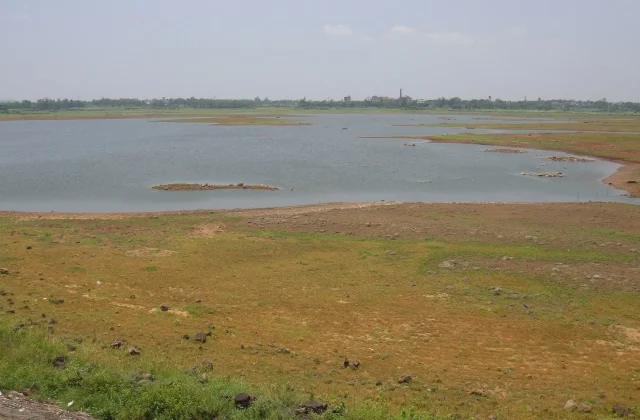
According to experts, average annual rainfall in the basin has dropped markedly over the past twenty years. Early snowmelt reduces the amount of water reaching the rivers in spring and summer. Periods when parts of the riverbed have dried up have left a deep mark on local memory. Satellite images show the surface area of lakes and reservoirs shrinking. This picture directly affects the daily lives of the millions of people living in the basin.
Prof. Kevin Alton says it's not only lower rainfall but also rising temperatures that are speeding up evaporation. Alton explains that this double pressure continues to drain water reserves and that short-term rainfall won't be enough to close the long-term deficit. He also stresses the need for more monitoring stations in the basin. Compared with the averages of the past decade, these figures reveal a striking decline.
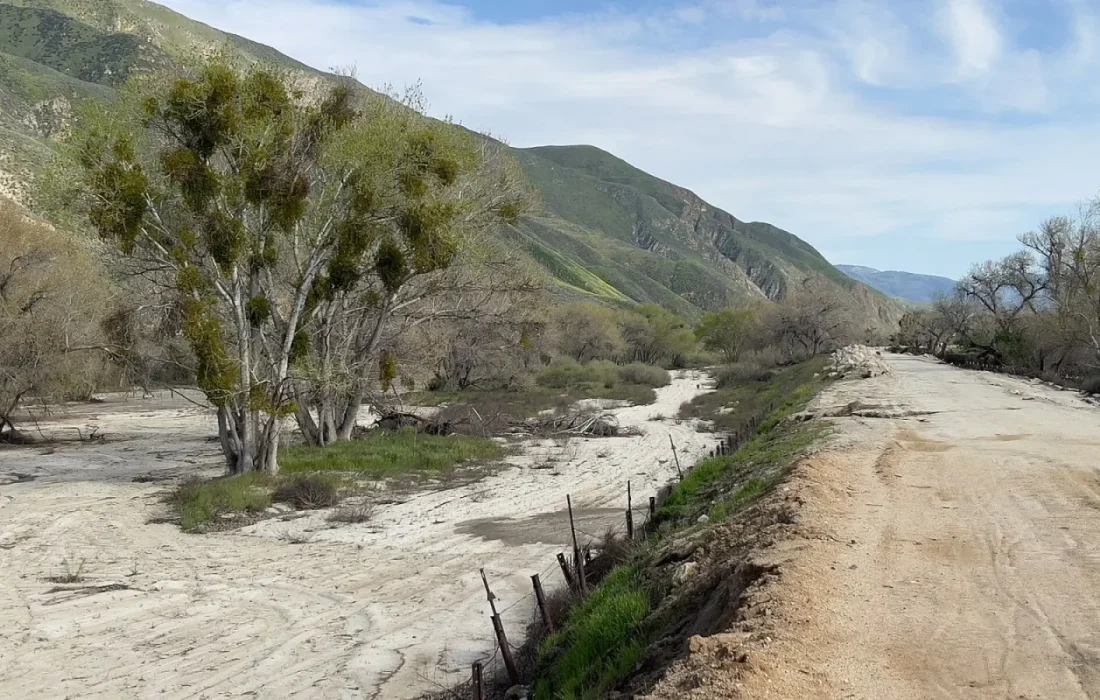
Water knows no borders; the solution can only come from shared wisdom.
Ethan Brooks
The impact on farming and drinking water
Agriculture is the basin's biggest water user. Yields of irrigation-dependent crops such as cotton, wheat and corn may fall, and farmers are turning to varieties that need less water. Drinking water sources in rural areas are also under strain; in some villages, bringing in water by tanker has been considered. For families who raise livestock, the cost of feed and water is rising.
Water scarcity is also affecting energy production. The output of hydroelectric plants in the basin drops during periods of low flow. Experts stress the importance of planning water and energy policies together. Migration is another dimension: families who can no longer make a living from farming are considering moving to the cities. Alton believes trust between the basin countries can be strengthened through technical cooperation.
The search for regional cooperation
Alton says the solution lies in cooperation among the countries of the region on data sharing, joint monitoring and modern irrigation techniques. Practices such as drip irrigation, closed-channel systems and wastewater reuse make it possible to produce more with the same amount of water. Financing and technical support for these technologies should be considered together. International organizations could also provide technical support in this area.
| Topic | World |
|---|---|
| Highlights | climate, agriculture, foreign policy |
| Reading time | 8 minutes |
| Written by | Ethan Brooks |
Key takeaways
- Falling rainfall and rising temperatures are reducing river flow in the basin.
- The drought is having knock-on effects on farming, drinking water and energy.
- Experts recommend regional cooperation on data sharing and modern irrigation.
Experts say regional cooperation can begin at a technical level, independent of political disputes. Work on a shared data pool, early warning systems and disaster preparedness could build trust. Other suggestions include universities and civil society organizations working together on research and training projects. The issue will remain one of the main topics at regional meetings in the period ahead.


Leave a comment