





Notes from the game festival: Local studios take the stage
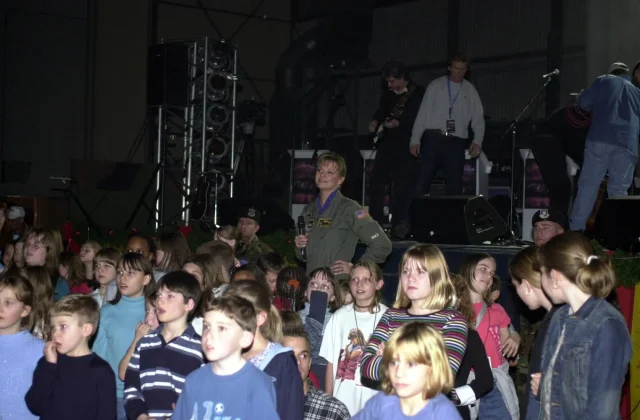
At the three-day game festival, dozens of local studios brought their new projects to players. See shots from the booths, the stages and the costumed visitors in our gallery.

Table of contents
This year's game festival showed once again how fast local developers are growing. Dozens of teams in the indie zone let visitors play demos of their unreleased games for the first time. A broad lineup, from mobile puzzle games to story-driven adventures, drew long lines in front of the booths. In our gallery, we bring together the festival's most colorful moments and standout projects.
Highlights from the indie zone
The indie zone felt like the heart of the festival. Nearly sixty teams met players for the first time at their small booths. One team showed off an exploration game with a striking hand-drawn atmosphere; another brought a management game set in a kitchen, as hectic as a real restaurant. The lines in front of the booths didn't get any shorter, even in the afternoon.
In our conversations with developers, the common theme was how valuable player feedback is. One studio had noted where players got stuck during the demo and redesigned the level that same evening. Another decided to add a character suggested by a young tester to the game the very next day. The festival was as much a live testing lab as a showcase. Developers could see instantly which scenes worked by watching players' faces.
I waited in line for an hour, but the demo I tried was absolutely worth it.
Jake Morales
The new face of mobile gaming
In mobile gaming, the clearest change was rising expectations of quality. Local mobile titles, once known only for simple puzzles and quick games, made a strong showing this year in story-driven adventure and strategy too. One studio presented a detective story played on a phone and split into half-hour sessions. Players practically lined up again before they'd put the story down.
Another notable development was the growing number of teams building mobile and PC versions together. Being able to play the same game on different devices is a big opportunity for small teams, in terms of both cost and accessibility. In investor meetings, studios stressed that this shared structure would extend their games' life span and help them reach a wider audience. The goal is to build a community that lasts for years rather than a one-off launch.
The costume contest and community meetups
The costume contest was one of the festival's most colorful moments. Participants took the stage in outfits they'd spent hours on, and the jury judged craftsmanship, storytelling and stage presence. First place went to a team that rebuilt a hulking character from an indie game out of wood and fabric. The hall gave the performance a standing ovation, and it was also the most photographed costume of the awards ceremony.
| Topic | Game |
|---|---|
| Highlights | gaming, startup, esports |
| Reading time | 4 minutes |
| Written by | Jake Morales |
Key takeaways
- Nearly sixty indie teams shaped their projects with player feedback at their booths.
- Local mobile games are now making a strong showing in story and strategy genres too.
- The costume contest and community meetups gave the festival a warm atmosphere.
The community meetups were the festival's quiet heroes. Gaming clubs, online forums and local player groups chatted at their own tables and held board game tournaments. People who had only ever met on screen seeing each other face to face for the first time kept the atmosphere warm. We saw once again that the local gaming scene's greatest strength is exactly this sense of belonging.
What do you think about this post?
Leave a comment