




























































Noise-canceling headphones tested: The six best models of the year
We compared six headphones tested on the subway, on planes and in an open-plan office for sound quality, noise canceling and battery life. There's a pick for every budget.
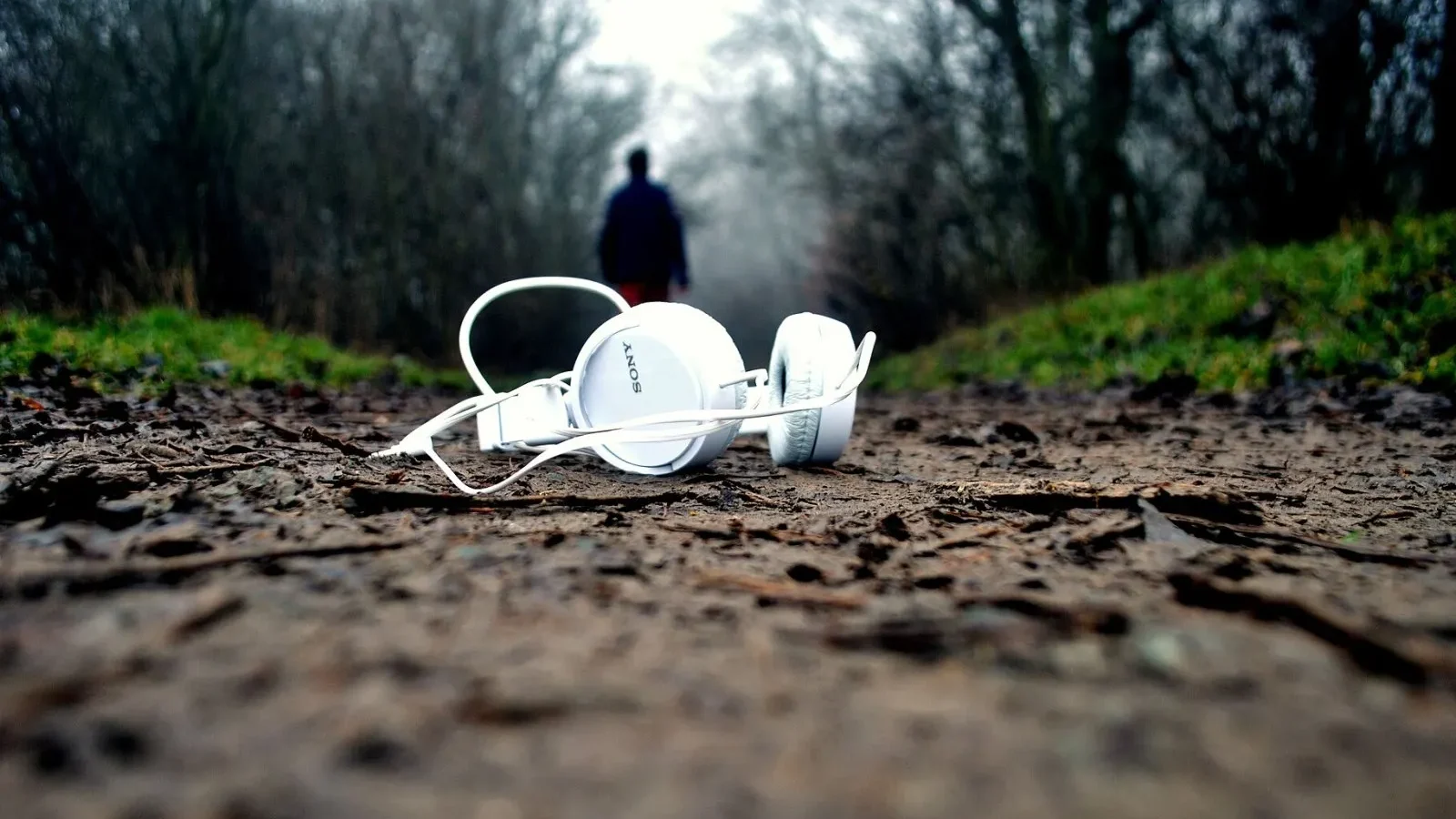
For many people living busy city lives, noise-canceling headphones have gone from a luxury to a basic need. We used six wireless models from different price brackets for two weeks on the subway, on planes and in an open-plan office. Beyond noise-canceling performance, we also looked at comfort over long sessions, microphone quality and app support. The results showed once again that the most expensive model is not always the best choice.
How we tested
We ran our tests in three settings: a subway line at morning rush hour, a two-hour domestic flight and an open-plan office of thirty people. We listened to every pair at the same volume, with the same playlist. Alongside judging noise-canceling strength by ear, we recorded decibel readings before and after with a measuring app on our phone. That gave us comparable data instead of personal impressions.
For comfort, every model was worn for at least four hours straight. We noted separately how warm the ear cushions got over time, how much the headband pressed and how they worked with glasses. We tested microphone quality with calls made on a windy street and in a crowded café. App support, EQ options and multi-device pairing were also part of our scoring.
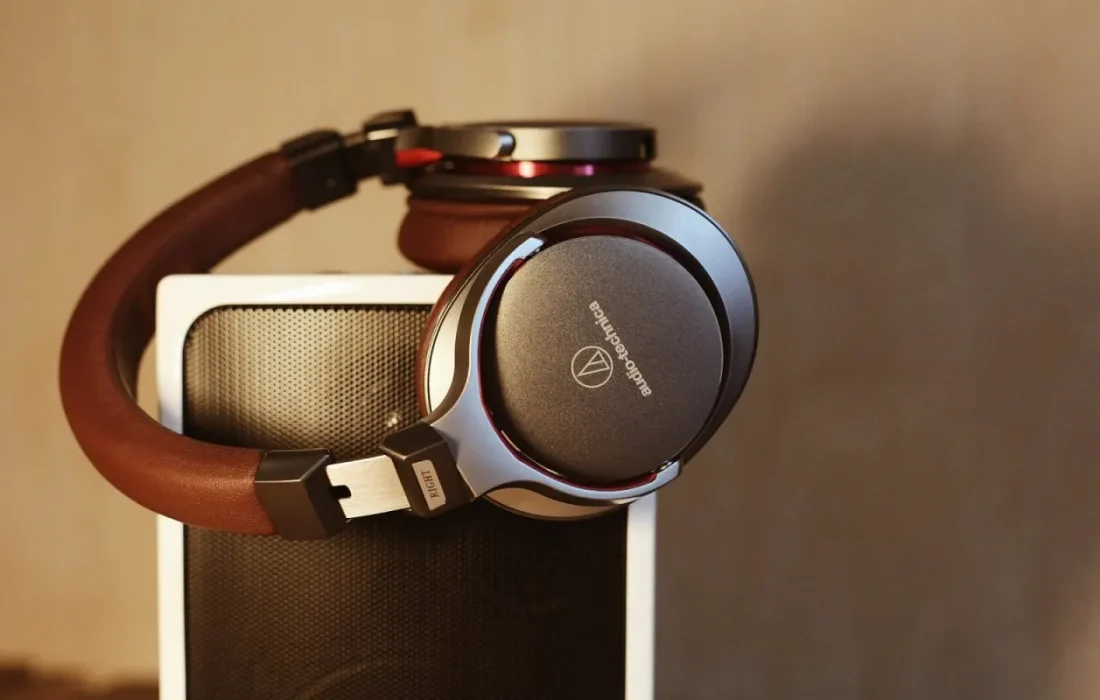
On a four-hour flight, what you notice most isn't the sound. It's the silence.
Jake Morales
Who leads on noise canceling?
With low-frequency noise, such as subway engines and airplane drone, two upper-midrange models exceeded our expectations. They didn't swallow the sound entirely, but they created a silence that didn't tire the ears. With high-frequency noise like human voices, all the models struggled; conversations in the open office could still be heard, but they softened noticeably into a murmur that didn't break concentration. That matters for anyone who plans to use headphones not just for music but while working.
What surprised us was that the most expensive model, despite pulling ahead on the plane, came second on the subway. The reason was the way it filtered sudden, short sounds; the algorithm that suppressed constant drone was slow to catch sudden spikes. Announcements and door chimes got through more with that model. In other words, “best” depends on how you'll use them. If you fly often, one model is the right pick; if you ride the subway every day, another is.
The best value pick
The best value pick was the second cheapest model in our test group. It came very close to the top two on noise canceling and dominated the chart on battery life, reaching more than thirty hours of listening on a single charge. Its sound signature is more balanced and neutral; it may feel a little thin for bass lovers, but it doesn't cause fatigue over long sessions.
| Topic | Gadgets |
|---|---|
| Highlights | headphones, review, smartphone |
| Reading time | 8 minutes |
| Written by | Jake Morales |
Key takeaways
- Six headphones were tested under the same conditions on the subway, on a plane and in an open office.
- The models handled low-frequency noise well, but all struggled with human voices.
- The best value pick was the second cheapest model, with over thirty hours of battery life.
If your budget is tight, we recommend choosing a model with app support and firmware updates, since noise-canceling algorithms can improve over time. Check what's in the box too: a carrying case and airplane adapter are often sold separately. In our video, we show each model's strengths and weaknesses side by side; we recommend watching it before you decide.
What do you think about this post?


2 Comments
Really useful piece, thank you for putting it together.
I had never thought about this side of it. Looking forward to a follow-up.