

An indie studio’s small game outpaces the big platforms
A puzzle game built by a team of three passed one million downloads in its first month. Behind its success: clean design and a strong player community.
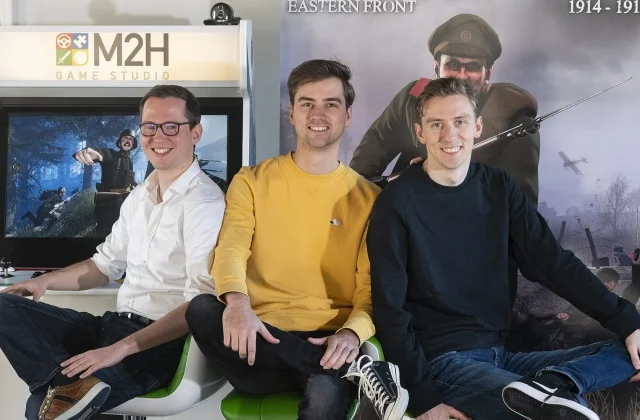
A heartening success story has emerged from the indie game scene, so often overshadowed by big-budget productions. A minimalist puzzle game that three friends built on weekends over two years passed one million downloads in its first month. With no ads and a fair one-time price, the game won players' hearts. We spoke with the developers about their unexpected success and their plans for the months ahead.
The journey from idea to launch
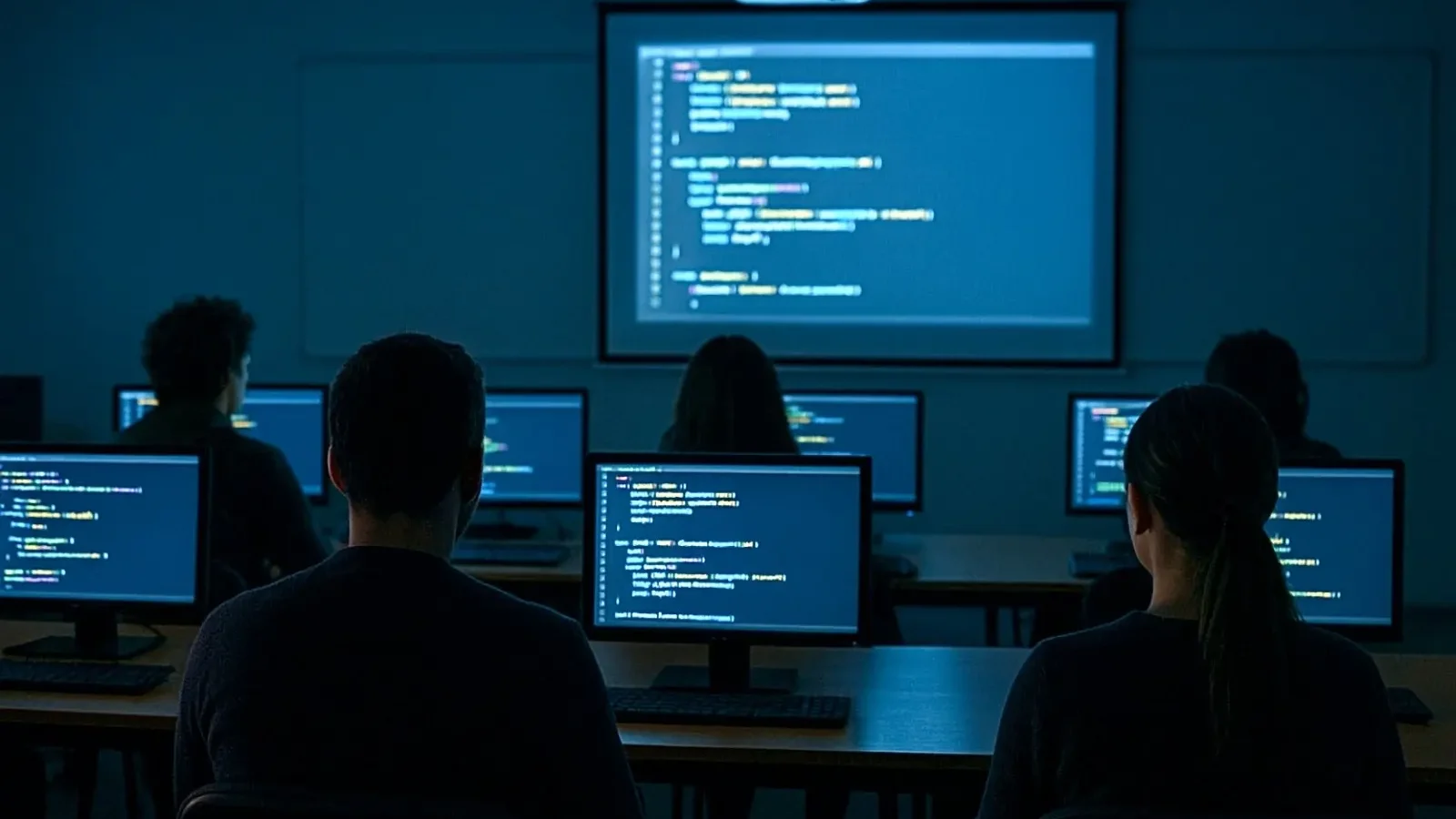
The idea came from three friends who, on a summer evening on a balcony, thought about bringing the paper puzzles they played into the digital world. One took on the code, one the art and the third the sound and music. For two years, they worked only on weekends and evenings. Because they had day jobs elsewhere, the budget came entirely out of their own pockets; equipment, software licenses and test devices were all paid for from small savings.
The first prototype had only three puzzles. After noting the feedback from friends and family who played it, they decided to keep the design simple. The developer co-founder says that instead of complicating the game, they focused on finishing each puzzle with a more elegant solution. That minimalist approach later became the game's signature. Even the menus, colors and sound effects were kept in the same calm style; players never have to wonder what to do on any screen.
If you respect players, they repay you with loyalty.
Jake Morales
The power of community
The game had a small player community before launch. The team shared the development process on social media and reviewed the suggestions that came in each week. Some puzzles were born from community members' ideas. On launch day, that community was the first to download the game and recommend it to friends. Word of mouth proved far more effective than ad spending. Players who finished the game shared screenshots, then asked their friends how they'd solved the puzzles.
Its lack of ads and one-time price also won players' warm support. The most repeated phrase in store reviews was that the game doesn't pester the player. The team believes there's value in offering a clear, honest alternative to users worn down by the ad and purchase pressure of free games. To them, respecting players is the best marketing strategy.
What's next?
Asked what's next, the team answers cautiously. The first goal is to add new puzzle packs with the next update and bring community-made puzzles into the game. After that, they plan to port it to other platforms. They say they've politely turned down offers to work with a major publisher for now and prefer to stay independent.
| Topic | Game |
|---|---|
| Highlights | gaming, app, startup |
| Reading time | 6 minutes |
| Written by | Jake Morales |
Key takeaways
- The three friends worked only on weekends and evenings for two years.
- The ad-free, one-time-purchase model won players' goodwill.
- The team plans to carry on independently with new puzzle packs.
Their advice to young developers is short and clear: start small, prototype fast, listen to players early and don't try to be perfect from day one. For them, these principles are a simple formula for success; putting them into practice takes patience and discipline. They stress that success brought them not money but the joy of creating together. In the months ahead, they plan to carry on the same way, with the same weekend hours and the same small team.
What do you think about this post?
Leave a comment