
























































Record wind energy investment: New farms connected to the grid
Wind farms commissioned this year delivered the largest annual increase in installed capacity on record. The industry expects investment in grid infrastructure to speed up.
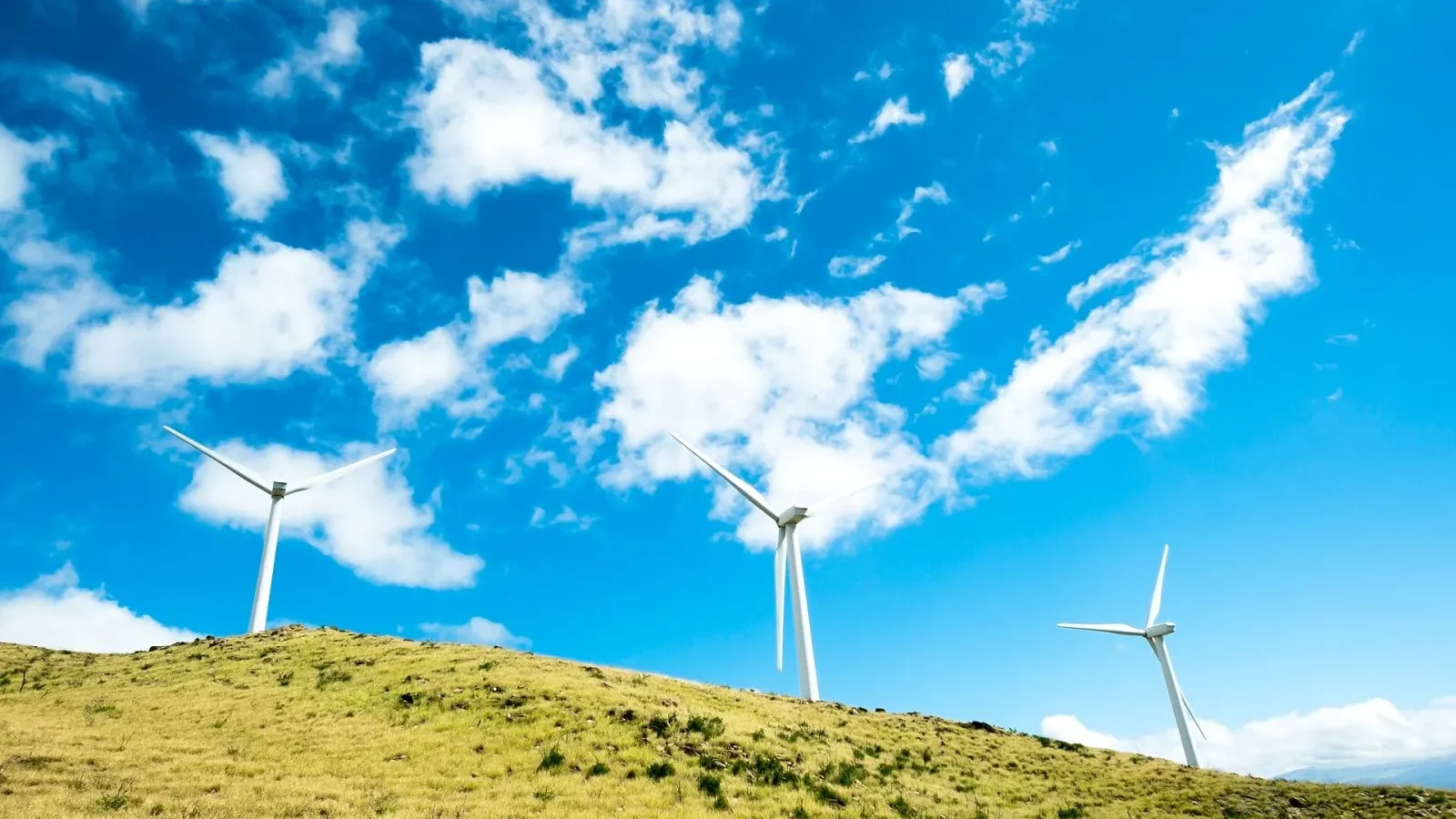
Wind farms brought online in the first ten months of the year delivered the largest annual increase in installed renewable capacity to date. According to figures released by the industry association, projects in coastal regions accounted for more than half of the total capacity added. Higher domestic production of turbine components also helped lower investment costs. Industry representatives warned, however, that capacity limits on transmission lines are slowing new projects.
In this article
- The rise in installed capacity
- Domestic turbine production
- The grid capacity problem
The rise in installed capacity
According to industry association data, the total capacity of plants commissioned this year beat the previous annual record by a wide margin. Most of the increase came from projects in coastal areas with high wind potential. Nearly sixty percent of the new plants were built on sites that had waited a long time for an investment decision after being licensed.
Behind the pace of investment are ongoing support mechanisms for renewable energy and long-term financing from public banks. Industry representatives say the growth in installed capacity has increased the domestic and renewable share of power generation, reducing dependence on imported fuel. On some days during the year, wind met one-fifth of electricity demand.
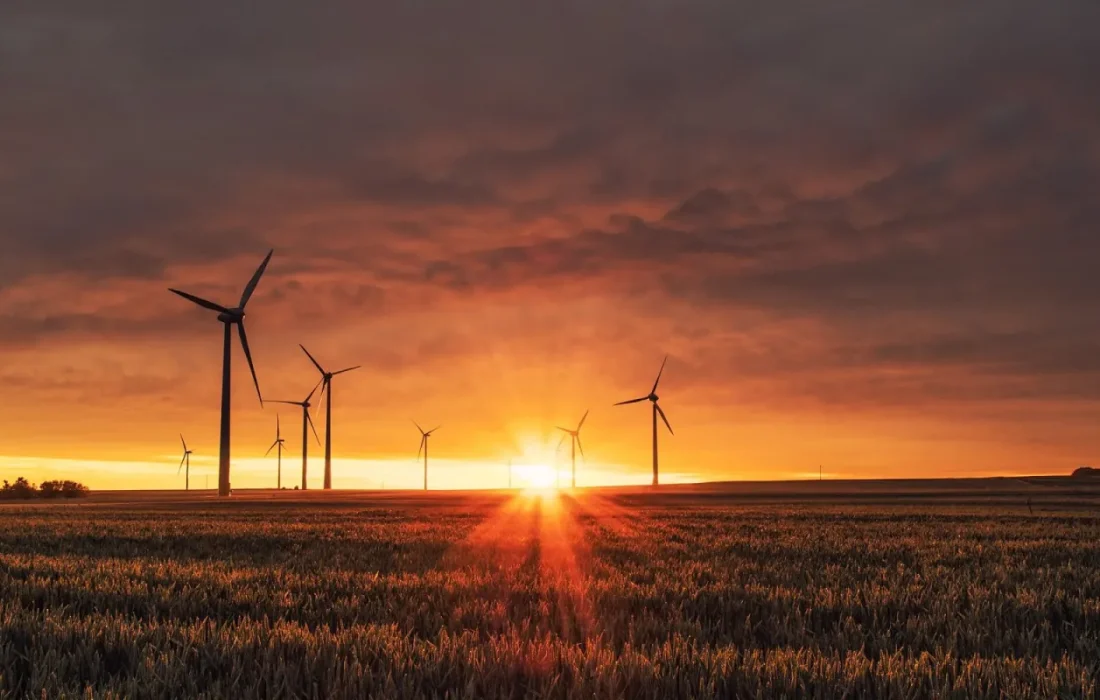
We have the wind and we have the investors; now it's the transmission lines' turn.
Jake Morales
Domestic turbine production
Domestic turbine production has been one of the most notable side effects of the investment wave. Local factories producing components such as blades, towers and gearboxes are expanding capacity to keep up with orders. Industry workers say the new production lines have created hundreds of jobs in the regions, and that demand for skilled workers in engineering and maintenance has also risen.
The spread of domestic production is also helping to bring project costs down. Lower logistics costs, faster supply of spare parts and service close to the site are cited as factors that improve plants' efficiency during operation. The industry association said export potential should also be explored, announcing that talks have begun on selling components to projects in neighboring regions.
The grid capacity problem
Despite record growth, the real bottleneck for the industry is the transmission grid. Some new plants cannot run at full capacity because of limits at connection points, and part of their output has to be curtailed. Investors say this lengthens projects' payback periods and weighs on new financing decisions. In some regions, connection applications have been pending for months.
| Topic | Energy |
|---|---|
| Highlights | renewable energy, investment, wind |
| Reading time | 6 minutes |
| Written by | Jake Morales |
Key takeaways
- Wind farms commissioned this year broke the annual record for installed capacity.
- Domestic production of turbine components is helping lower project costs.
- Capacity limits on transmission lines are seen as the industry's real bottleneck.
The grid operator said its investment program prioritizes reinforcing transmission lines, with several critical lines due to come online next year. Experts say adding storage facilities and flexible generation to the system is also important for managing variable output. The industry's growth in the coming period is expected to depend on the pace of grid investment. These developments are expected to directly affect the sector's growth rate in the years ahead.

Leave a comment