





























Diplomacy Desk: Trade corridors with retired ambassador Richard Hale
In this episode of our weekly audio program, retired ambassador Richard Hale discusses the growing weight of economic diplomacy in foreign policy.
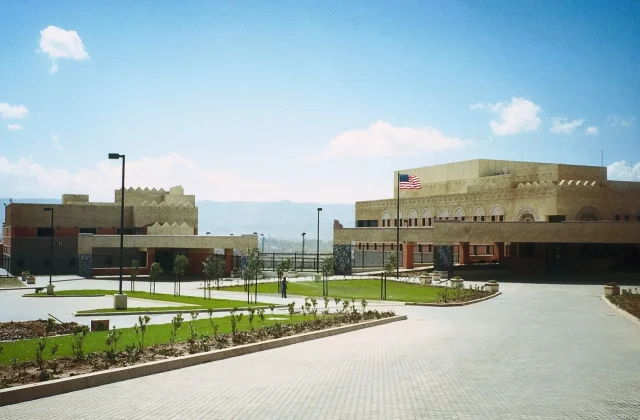
This week's guest on Diplomacy Desk is retired ambassador Richard Hale, who served on several continents over a career of more than thirty years. Hale explains how energy, logistics and trade have overtaken the traditional security agenda in foreign policy in recent years. The program looks at the importance of the east-west trade route known as the Middle Corridor, port investments and the role of regional cooperation organizations. Hale reminds young diplomats that economic literacy is as indispensable as foreign languages. You can listen to the forty-minute episode on all podcast platforms.
In this article
- The rise of economic diplomacy
- New trade corridors
- Advice for young diplomats
The rise of economic diplomacy
In the first part of the program, Hale explains that when his career began, diplomacy focused mainly on security and political issues, but that the economic agenda has come markedly to the fore over the past twenty years. He says issues such as energy security, supply chain resilience and the investment climate now form the basis of embassies' daily work. The program brings concrete examples of this transformation to listeners, enriched with personal anecdotes.
According to Hale, economic diplomacy is not limited to trade agreements. Attracting the investors a country needs, supporting its companies' operations abroad and having a say in setting international standards are also part of the field. Prompted by the host's questions, the program traces the historical development of this approach through examples from different countries. The host's questions take the subject even deeper.
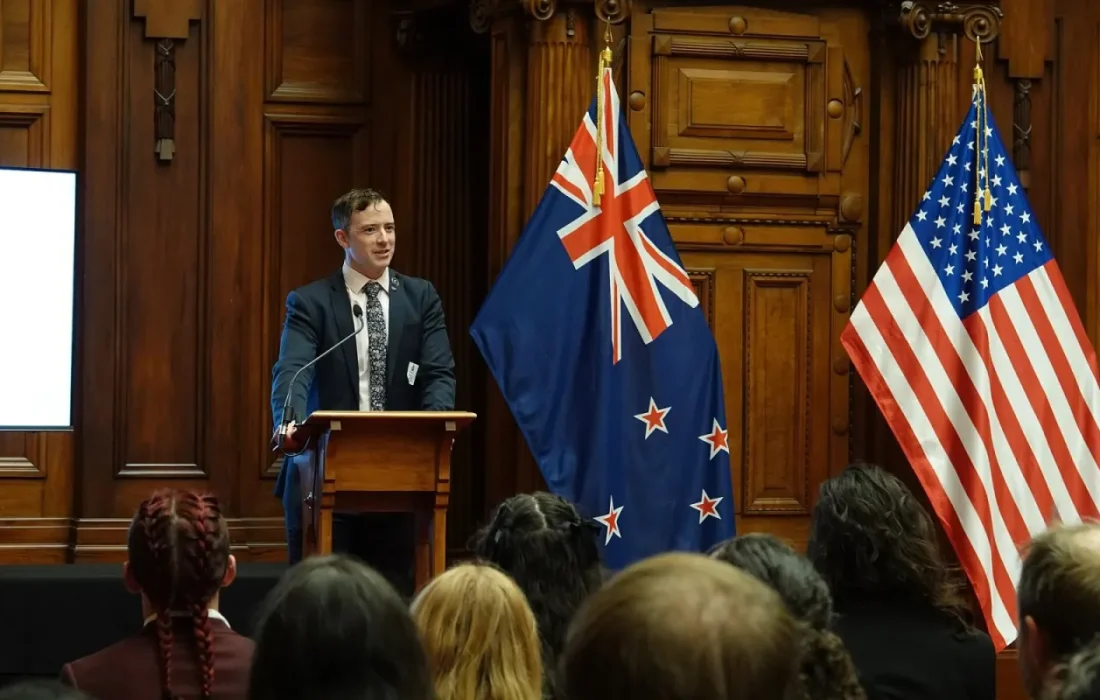
Economic diplomacy is now at the very heart of foreign policy.
Sophie Laurent
New trade corridors
The second part of the episode is devoted to new trade corridors. Hale explains that routes linking East and West have regained importance in recent years, accelerating investment in railways, ports and logistics hubs. He stresses that corridors require multilateral cooperation, and that common standards and customs alignment are critical. Hale also highlights the decisive role of geography in this respect.
The guest notes that it is natural for each country to look after its own interests in corridor debates, but that projects delivering shared gains are more sustainable in the long run. Using comparative examples, he explains under what conditions regional trade organizations become effective and when progress stalls. He also lists the indicators listeners should watch when following these issues.
Advice for young diplomats
In the final part of the program, Hale shares his advice for young diplomats and students planning careers in diplomacy. He says foreign languages are indispensable, but that economic, legal and data literacy are now also among the core skills. He adds that the art of negotiation develops only with patience and the ability to listen. He encourages them to take advantage of internships and study abroad opportunities to build these skills.
| Topic | Diplomacy |
|---|---|
| Highlights | foreign policy, exports, investment |
| Reading time | 3 minutes |
| Written by | Sophie Laurent |
Key takeaways
- The guest explains how the economic agenda has overtaken security issues in foreign policy.
- The program discusses east-west trade routes and port investments.
- Young diplomats are advised to build economic literacy alongside foreign languages.
Hale also stresses the importance of field experience. He says living in different cultures and understanding local communities offers insight beyond what can be learned at a desk. He advises young people to keep up their reading habits, follow international developments through a variety of sources and always stay true to ethical values. The full forty-minute program is available on all podcast platforms.

Leave a comment