




























Foreign ministry delegations meet in the capital: Trade and energy on the table
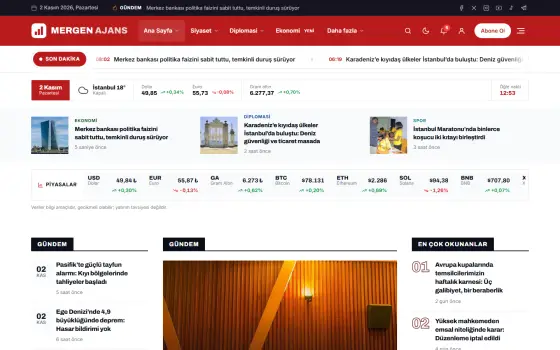
Two days of technical talks between the two countries focused on boosting trade volume and energy cooperation. A joint statement is expected after the ministerial meeting.
Technical talks attended by senior officials from both countries' foreign and trade ministries continued in the capital for two days. According to information our agency obtained from diplomatic sources, the meetings covered a target of doubling bilateral trade within five years, long-term cooperation on natural gas supply and new border-crossing facilities for road freight. The two sides were reported to have reached a significant agreement on logistics corridors.
In this article
- Main topics of the talks
- Agreement on logistics corridors
- Next step: The ministerial meeting
Main topics of the talks
Diversifying bilateral trade topped the agenda on the first day of technical talks. The delegations agreed to set up a joint working group to reduce non-tariff barriers across a wide list ranging from agricultural products to machinery. According to details from diplomatic sources, the views and suggestions of exporters' associations will be heard regularly throughout the process.
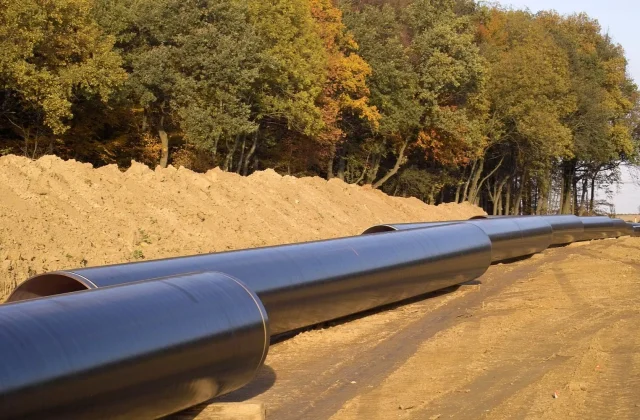
Energy cooperation was at the center of the agenda on the second day. Talks covered a framework for long-term natural gas supply contracts, capacity planning for transmission lines and a joint coordination mechanism for possible demand spikes in winter. According to sources, the parties were open to setting up a separate committee of experts to close technical gaps in pricing formulas. Details on energy were left for the ministerial meeting.
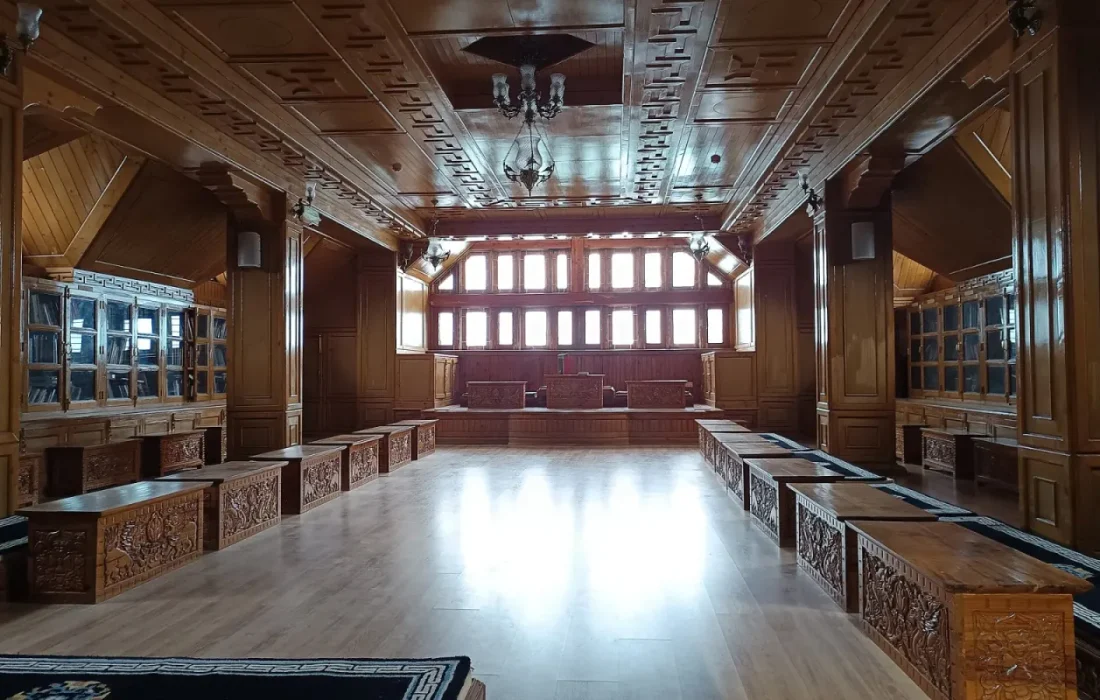
The talks were constructive, and the technical teams agreed on a timetable.
Sophie Laurent
Agreement on logistics corridors
The agreement reached on logistics was perhaps the most concrete outcome of the talks. The parties agreed to expand the scope of transit permits for freight vehicles at road border crossings and to use a joint electronic document system for customs procedures. The system is set to be trialed first at pilot crossings. The move is expected to cut waiting times by as much as half.
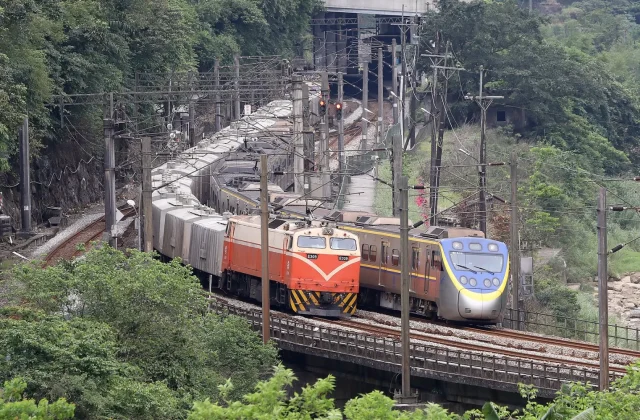
Strengthening rail links formed the second pillar of the corridor talks. The delegations will draw up a bilateral road map for joint freight tariffs and shorter wagon changeover times at transshipment stations. In a statement following the news, haulers' associations welcomed the development but said they expect implementation to be tied to a timetable. Officials said a concrete draft would be shared this week.
Next step: The ministerial meeting
With work completed at the technical level, the ministerial meeting comes next. Diplomatic sources said the meeting is planned within the next two weeks and that the joint statement will be made public at its conclusion. The statement is expected to include the trade volume target, the framework for energy cooperation and the timetable for logistics measures. Technical teams are still exchanging drafts on the final text.
| Topic | Diplomacy |
|---|---|
| Highlights | foreign policy, natural gas, exports |
| Reading time | 6 minutes |
| Written by | Sophie Laurent |
Key takeaways
- The delegations set up a joint working group to boost bilateral trade.
- An electronic document system will be piloted at border crossings.
- A joint statement is expected after the ministerial meeting.
Observers say the tone of the talks shows that the economic agenda is gaining weight in relations between the two countries. Analyst Simon Clarke, a former trade counselor, said agreements reached at the technical level make political decisions more feasible to implement. Clarke said the real test will be whether the working groups keep up their pace after the statement. Our agency will continue to report on the meeting.

2 Comments
Really useful piece, thank you for putting it together.
I had never thought about this side of it. Looking forward to a follow-up.