





















































Natural gas storage reaches pre-winter peak
Officials said underground storage facilities are now more than ninety-four percent full. No supply security problems are expected over the winter months.
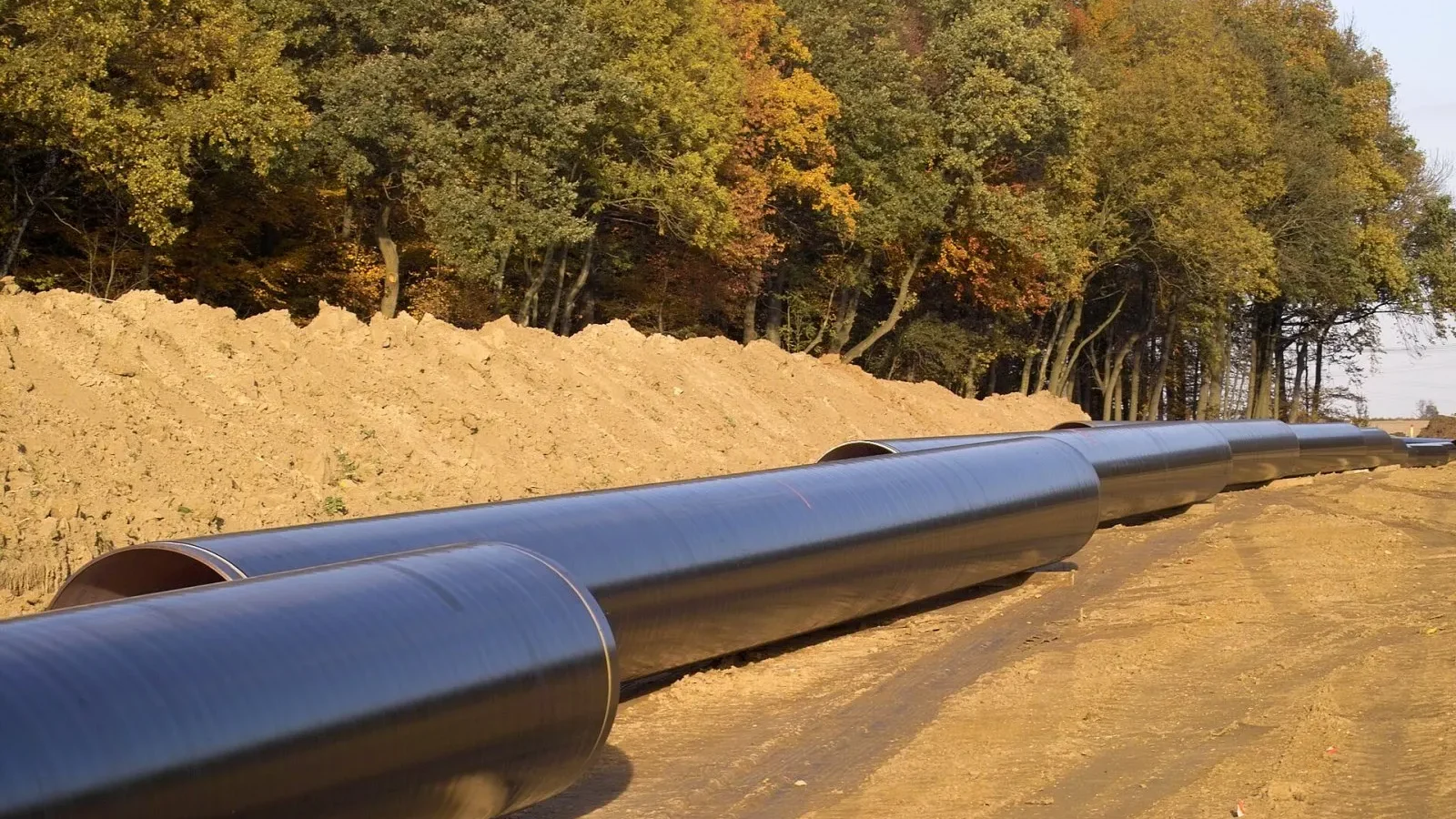
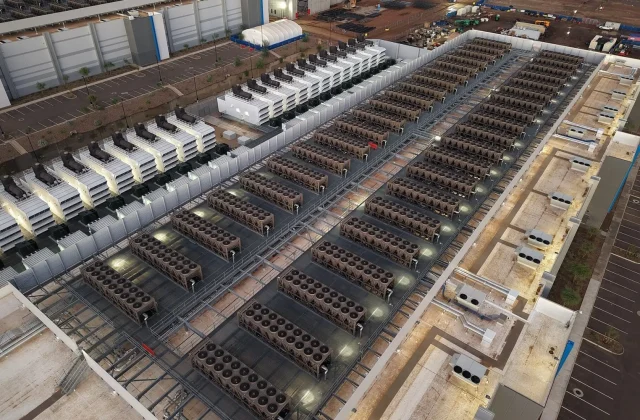
According to a written statement from the energy ministry, the country's underground natural gas storage facilities have passed ninety-four percent capacity, a record high. The statement added that the daily regasification capacity of liquefied natural gas terminals has also increased compared with last year. Officials stressed that demand could be met without interruption even in a harsh winter scenario. Our agency team filmed operations on site at one of the storage facilities.
In this article
- Latest storage capacity figures
- The role of LNG terminals
- Cold-weather scenarios
Latest storage capacity figures
Measured against the start of the season, underground storage facilities are at their fullest in a decade. Officials say injection work at most sites was completed earlier than planned, with the remaining capacity left empty only to preserve flexibility during maintenance periods. The facilities' total working volume has also been boosted by new wells added since last year.
One factor behind this picture was the balanced management of supply contracts over the summer. Gas bought during the low-demand period was moved into storage, while withdrawal capacity was increased to provide extra flexibility for the months when consumption rises. Industry experts say full storage acts as a buffer against price swings and gives industrial users more confidence in their planning.

We have no concerns about security of supply this winter.
Jake Morales
The role of LNG terminals
Liquefied natural gas terminals form the second pillar of this winter's safety net. According to ministry data, daily regasification capacity has risen markedly with the commissioning of floating storage and regasification units. The number of tankers arriving at the terminals is set to increase in the coming months. Officials stress that being able to run port and pipeline connections simultaneously has greatly increased flexibility.
What our agency team observed at the terminals matches these statements. The tanker unloading schedule runs to a tight timetable, while engineers in the control room monitor pressure and temperature readings in real time. A facility manager explained that shifts are reinforced during busy periods and that backup equipment is kept ready on site. Safety drills are also reportedly repeated every month.
Cold-weather scenarios
Officials said they are working on three separate scenarios for a potentially harsh winter. Even in the worst case, household heating needs will be met first, while industrial users will receive gas under a phased plan. Making maximum use of domestic sources and renewable plants to reduce gas's share in power generation was also announced as part of the plan.
| Topic | Energy |
|---|---|
| Highlights | natural gas, breaking news, investment |
| Reading time | 4 minutes |
| Written by | Jake Morales |
Key takeaways
- Underground storage facilities are now more than 94% full.
- Daily regasification capacity at LNG terminals has increased compared with last year.
- In harsh winter scenarios, household heating needs will take priority.
Experts point out that storage levels alone are not a sufficient guarantee, and that the operation of transmission lines and demand management are just as important. Energy consultant George Turner said efficiency appeals to the public and flexible consumption contracts in industry would ease pressure on the system on difficult days. The ministry will continue to publish storage data weekly throughout the winter.

2 Comments
Really useful piece, thank you for putting it together.
I had never thought about this side of it. Looking forward to a follow-up.