

























































Analysis: How is AI investment changing energy demand?
Data centers' rapidly growing need for electricity is forcing energy planners to draw up new scenarios. Experts stress that the share of renewables will be decisive.
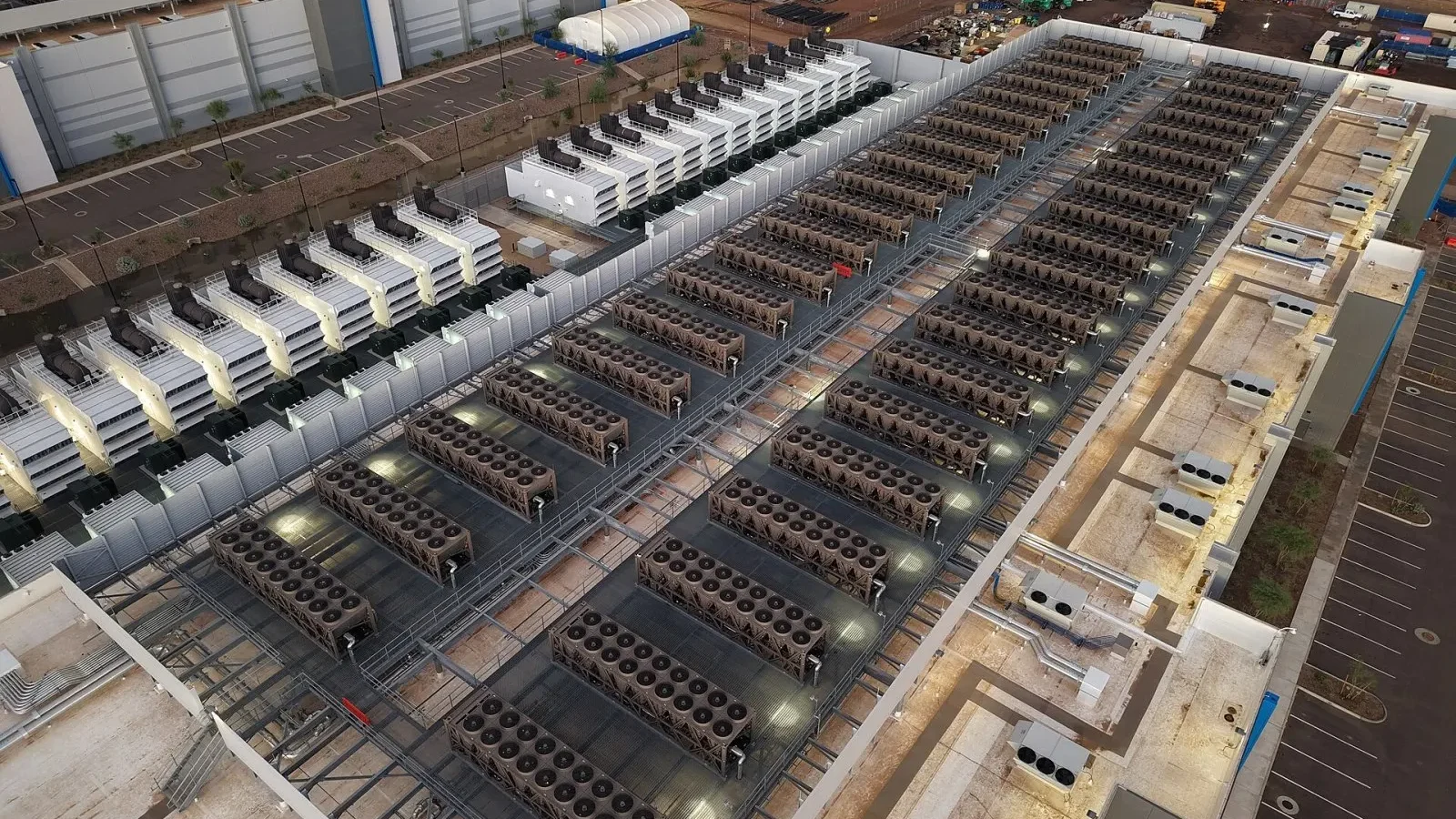
The rapid spread of artificial intelligence applications is pushing data center investment to record levels worldwide. The heavy electricity and cooling needs of these facilities are now at the top of energy planners' agendas. Energy economist Dr. Laura Chen notes that a large data center can demand nearly as much electricity as a mid-sized city, which means grid investments need to be replanned. According to Chen, this demand also creates a major opportunity for renewable energy and storage investment. In our analysis, we look at what this transformation could mean at home.
In this article
- Data centers' growing power needs
- The impact on grid planning
- An opportunity for renewables
Data centers' growing power needs
Data centers' electricity consumption comes not only from running computers but also from cooling systems. The processors used to train and run AI models generate far more heat than standard servers. This increases both electricity and water consumption for cooling. Industry analysts expect data centers' share of total electricity demand to rise markedly in the coming years.
Dr. Laura Chen points out that the pace of AI investment is challenging established planning practices. While an energy facility is traditionally planned on ten-year projections, a data center can be built and brought online within a few years. According to Chen, this mismatch in timing is leaving grid capacity insufficient in some regions and delaying new investments.

The future of AI depends largely on the future of energy.
Jake Morales
The impact on grid planning
The impact on grid planning shows up on several levels. First, transmission lines and substations need more capacity in regions where data center clusters are concentrated. Second, because demand is constant and high, the need for reserve capacity grows. Third, the distribution of demand over time affects the price balance in the electricity market. This is forcing grid operators to draw up new investment programs.
Some countries have tightened grid connection rules for new data centers, while others require the use of renewable energy. Energy regulators are encouraging data center investors to build their own energy sources or sign direct renewable energy contracts. This approach is thought to reduce the burden on the public grid. It is also expected to support both security of energy supply and environmental goals.
An opportunity for renewables
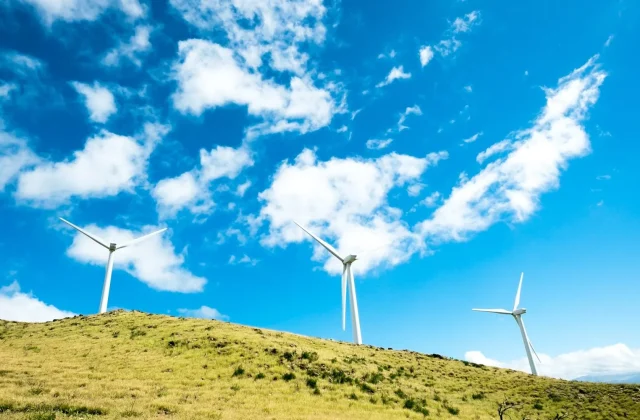
For renewable energy, this picture presents both an opportunity and a test. Data centers are financing wind and solar investments through long-term power purchase agreements. Storage systems and flexible demand management are becoming increasingly important for balancing variable generation with constant demand. Dr. Chen says that, if planned properly, AI investment could accelerate the energy transition.
| Topic | Analysis |
|---|---|
| Highlights | artificial intelligence, renewable energy, investment |
| Reading time | 9 minutes |
| Written by | Jake Morales |
Key takeaways
- Large data centers can demand nearly as much electricity as a mid-sized city.
- Grid investment needs to be replanned around AI-driven demand.
- A new opportunity is emerging for renewable energy and storage investment.
For our country, its geographic location, wind and solar potential and young engineering workforce offer significant advantages. However, clear policies are needed to speed up grid connection procedures, simplify renewable power purchase agreements and ensure sustainable use of water resources. Experts recommend that planning be carried out transparently and with the participation of all stakeholders. That way, the benefits of AI investment can spread more widely across the economy.

Leave a comment