






















































Red Sea shipping traffic recovers as freight rates fall
After months of disruption, the number of ships choosing the Suez route is rising again. The logistics industry expects lower costs to benefit exporters.
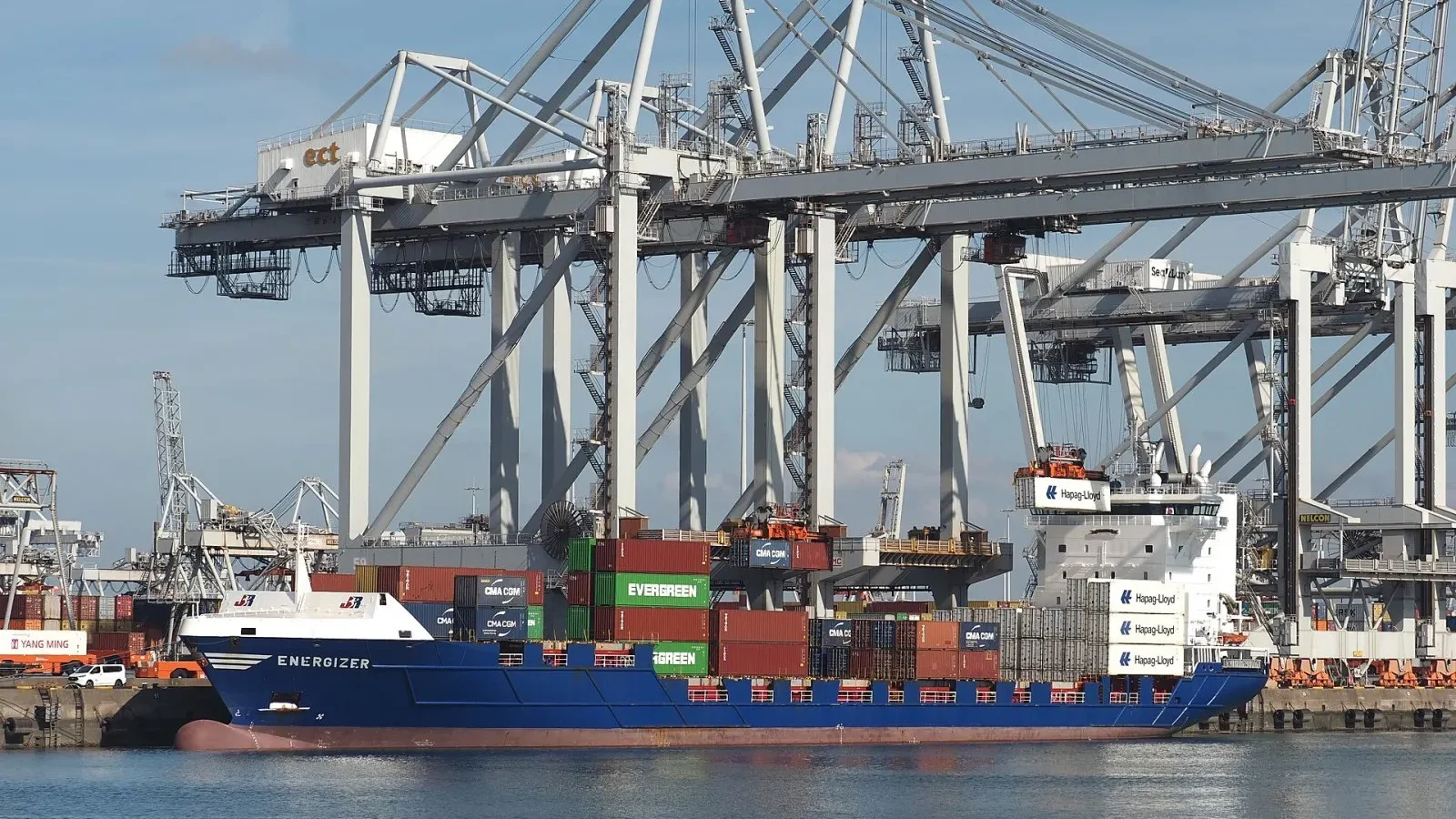
After prolonged disruption on the Red Sea and Suez Canal route, signs of recovery in commercial shipping traffic have become clearer. Maritime industry representatives say the number of container ships returning to the shorter route instead of sailing around the Cape of Good Hope has increased in recent weeks. As a result, freight rates on the Asia-Europe line have fallen. Logistics expert Nathan Price stresses that insurance premiums remain high, but that shorter delivery times are a major advantage for exporters. The industry is watching closely to see whether the recovery will last.
In this article
- The latest on the route
- How freight rates have changed
- Impact on exporters
The latest on the route
According to ship tracking data, the number of container ships transiting the Suez route has risen gradually over the past six weeks. Some major carriers have moved part of their weekly sailings back to the shorter route. Still, the recovery does not yet amount to a full return to normal; many ships still prefer to go around the Cape of Good Hope, and total transits remain below previous levels.
Maritime analysts say the recovery is driven by a relative improvement in security conditions and naval escort arrangements. Carriers are making their decisions gradually, based on insurance terms, crew safety and customer demand. If stability on the route holds, transits are expected to rise further in the coming months. Even so, the industry believes it is too early to speak of a lasting return to normal.
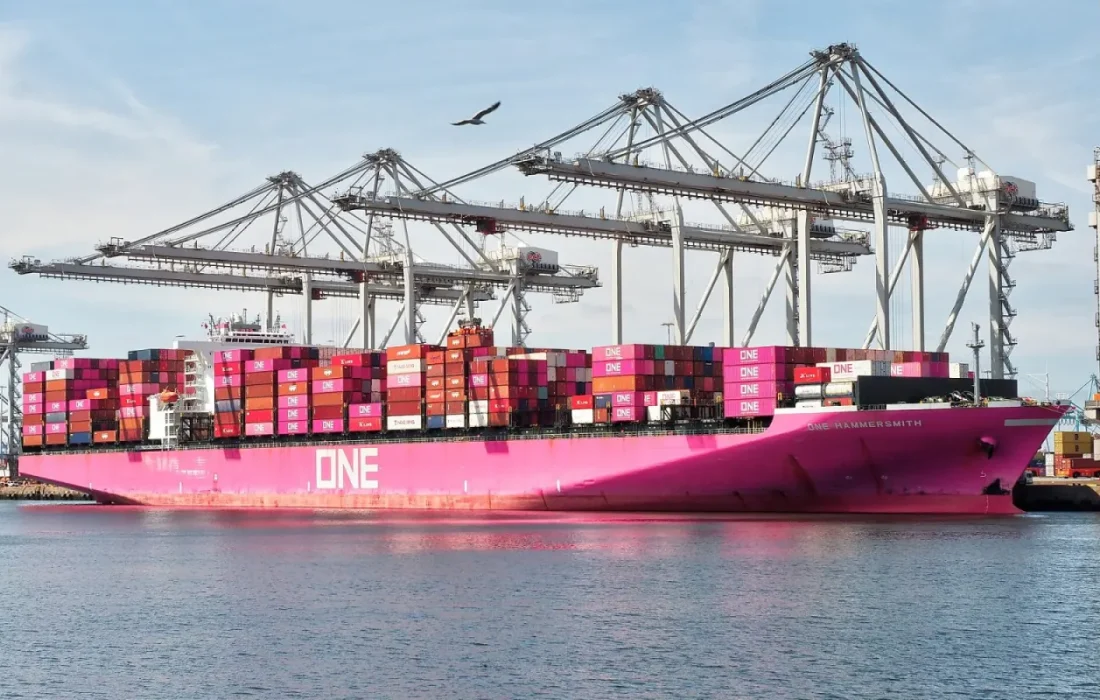
The shorter the route, the more competitive the exporter.
Mark Ellison
How freight rates have changed
The fall in freight rates is clearly visible on the Asia-Europe line. Rates per forty-foot container have dropped markedly from their peak. Overcapacity on the route is also putting pressure on prices, and the effect has strengthened as newly delivered ships enter the market. The price decline offers relief especially to small and medium-sized importers.
Logistics expert Nathan Price said insurance premiums, although trending lower, remain high and are feeding into costs. According to Price, whether the decline in rates lasts depends not only on route security but also on container balance and the demand outlook. There is also a chance that shipowners' decisions on how much capacity to offer could push prices back up. This uncertainty makes short-term planning difficult.
Impact on exporters
For exporters, the biggest gain is shorter delivery times. Shipments that stretched for weeks on the long route have become more predictable on the shorter one. Companies in time-sensitive sectors such as apparel, furniture and household appliances say inventory costs will fall and order planning will become easier. Penalty clauses triggered by shipping delays are also becoming less frequent.
| Topic | World |
|---|---|
| Highlights | exports, foreign policy, investment |
| Reading time | 5 minutes |
| Written by | Mark Ellison |
Key takeaways
- The number of container ships choosing the Suez route is rising gradually.
- Freight rates on the Asia-Europe line have fallen markedly.
- Insurance premiums remain high; whether the recovery lasts is being watched closely.
Exporters' associations note that lower freight costs are boosting competitiveness, but that demand conditions remain the decisive factor. Some companies have begun talks with carriers to lock in lower freight rates in long-term contracts. The industry continues to monitor developments in the region closely and to keep alternative routes ready in case of renewed disruption.



Leave a comment