























































Parties speed up candidate selection ahead of local elections
With local elections months away, political parties have stepped up their candidate selection work. Primaries and opinion polls will be decisive in many parties.
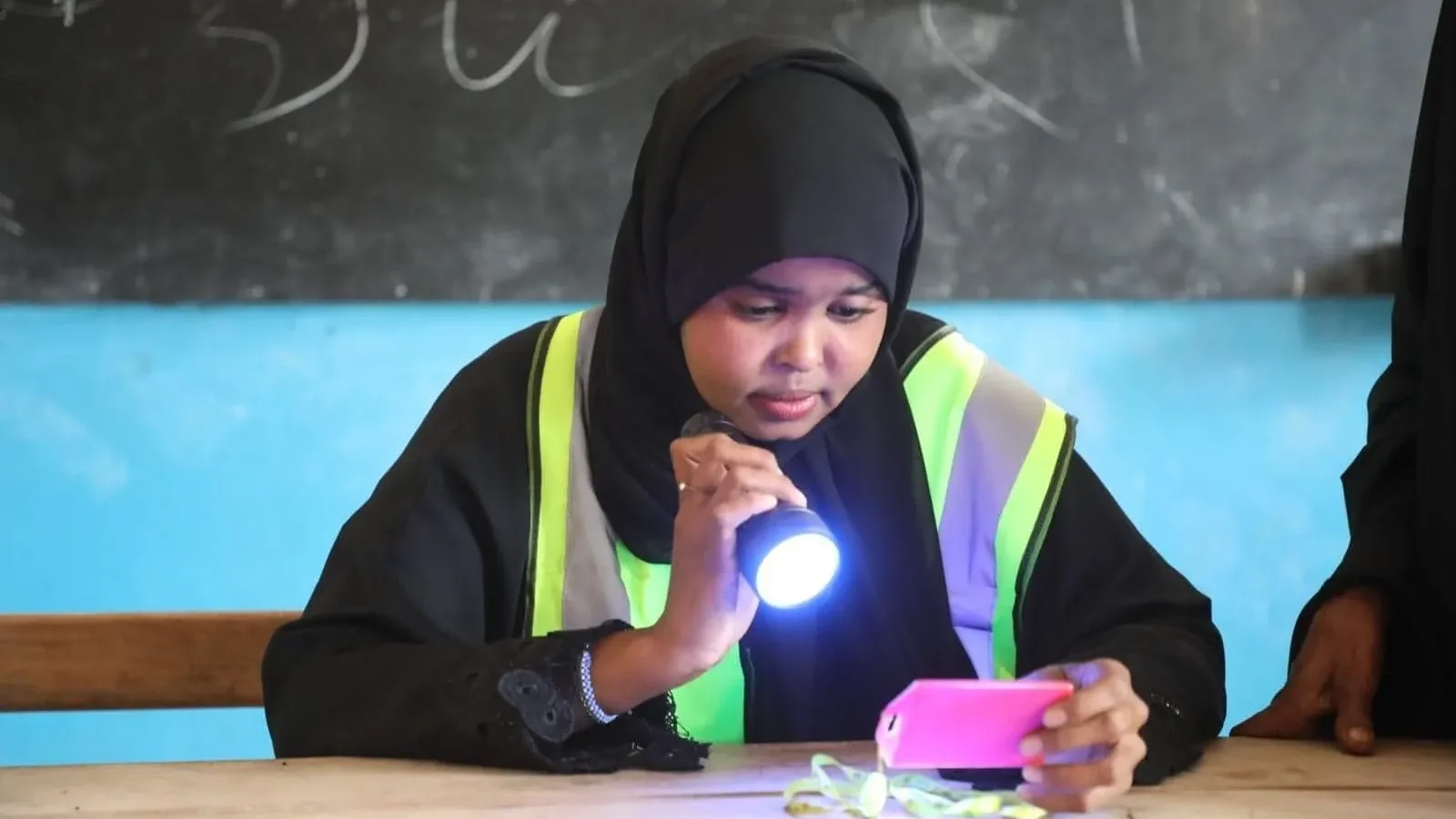
With local elections months away, candidate selection in political parties is gaining pace. As party leaderships review proposals from regional and district branches, opinion polls and fieldwork are also playing a decisive role. Some parties reportedly plan to hold primaries in the big cities, while others will opt for selection by the central leadership. Most candidates are expected to be announced in the last months of the year.
In this article
- The parties' road maps
- The primaries debate
- The race in the big cities
The parties' road maps
The parties' road maps differ from one another. Some parties are following a phased process based on proposals from their regional and district branches, while others plan to select most candidates at headquarters. Party leaderships say they see opinion polls as just one source of data, and that field experience and a candidate's local ties will also be decisive in the final decision.
Approaches to timing also differ. Some parties aim to announce their candidates by the end of the year, while others prefer to do so closer to the campaign period. Political scientists say an early announcement gives a candidate time to build name recognition but also lets rivals prepare their campaigns, which is why parties are acting strategically on timing.
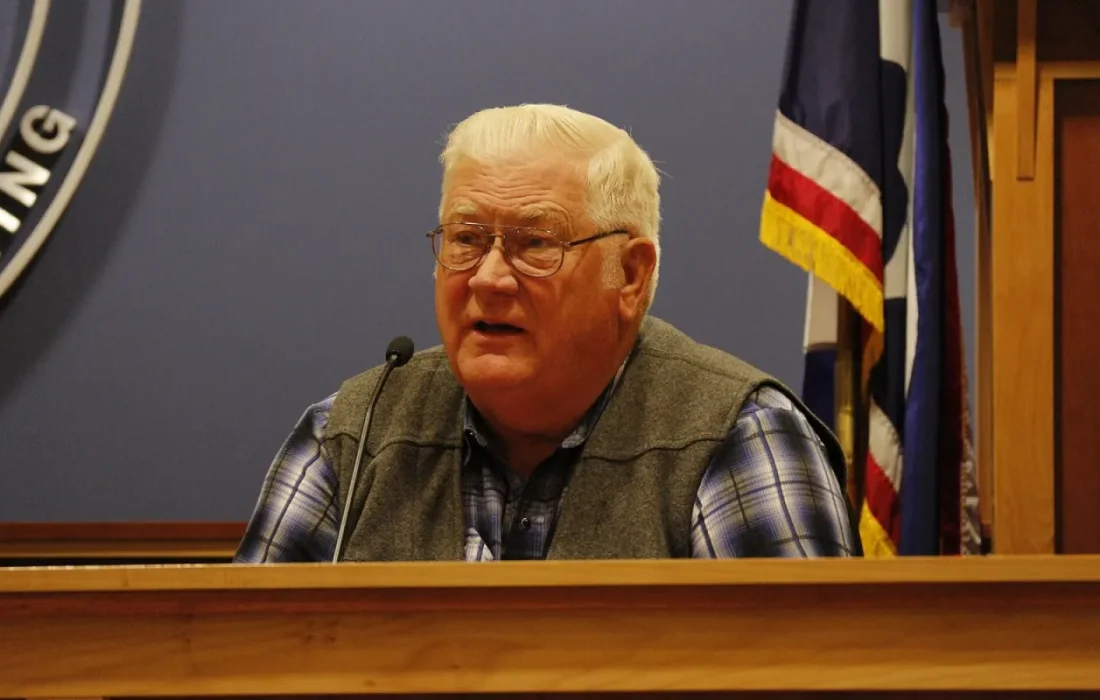
The right candidate is half the campaign.
Emily Carter
The primaries debate
The primaries debate is most intense in the big cities. Supporters of primaries say the method gives members a voice and lends candidates legitimacy. Opponents argue that primaries can polarize a party and are a costly process. Some parties are considering a hybrid model that combines a delegate vote with polling.
Party sources said the debates are taking place within the limits of party bylaws, and that in some parties proposals requiring bylaw changes could be put on the agenda of the party congress. Election law experts point out that the legal framework for primaries must be clear and that application procedures for candidates should be announced transparently. Parties are therefore reviewing their internal rules on primary procedures with input from legal advisers. If the issue reaches the congress agenda, the debate could drag on.
The race in the big cities
Competition is expected to be fiercest in the big cities. Whether incumbent mayors will run again, the names leading in parties' opinion polls and the share of women and young candidates are the main topics behind the scenes. Possible alliances are also being discussed in some big cities, but the parties have yet to make any official statement. Insiders also say the timing of the candidate announcements will directly shape campaign strategies.
| Topic | Politics |
|---|---|
| Highlights | breaking news, parliament, elections |
| Reading time | 5 minutes |
| Written by | Emily Carter |
Key takeaways
- Parties are debating primaries, polls and selection by headquarters to pick candidates.
- Most candidates are expected to be announced in the last months of the year.
- Competition is expected to be fiercest in the big cities.
Because local election results are expected to affect the broader political balance, parties are treating their big-city candidates as a matter of strategic importance. Politicians aim to put candidates' service projects and proposed solutions to local problems front and center. Polls show that voters prioritize issues affecting daily life, such as housing, transport and infrastructure.



2 Comments
Really useful piece, thank you for putting it together.
I had never thought about this side of it. Looking forward to a follow-up.