












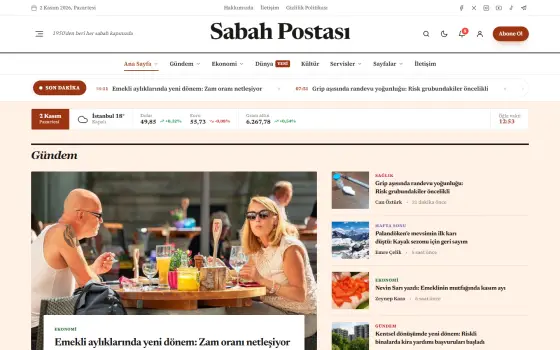




















Critical round of ceasefire talks: The parties return to the table
Ceasefire talks, suspended for months, have resumed thanks to intense efforts by international mediators. Our correspondent reports the latest from the city hosting the talks, which are expected to continue until the weekend.

Long-suspended ceasefire talks have resumed following intense diplomatic efforts by mediating countries. The first session, held in the capital of a neutral country, reportedly covered a prisoner exchange, humanitarian aid corridors and monitoring of the ceasefire. Diplomatic sources said the atmosphere was more constructive than in previous rounds, but cautioned that it is still too early for a lasting agreement. A video report from our correspondent.
In this article
- Talks resume
- Key demands on the table
- The situation on the ground
Talks resume
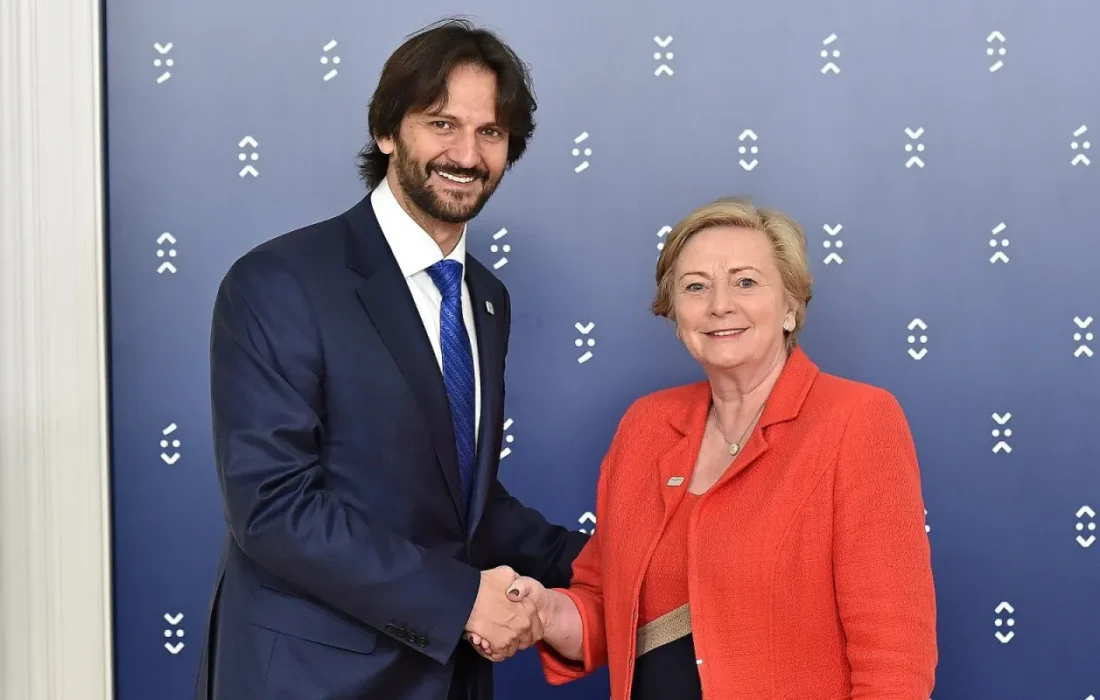
The resumption of talks is seen as the result of weeks of quiet diplomacy. Representatives of the mediating countries, in separate contacts with the parties, secured agreement on a joint agenda. The first session was held in a format in which the parties sat not in the same room but in adjoining rooms, with mediators conducting shuttle diplomacy. Mediators said the format was intended to tone down the parties' harsh rhetoric toward each other.
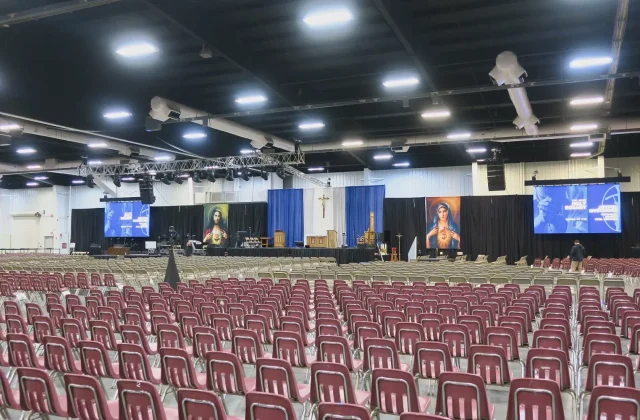
At the opening of the session, the head of the mediation team gave a short speech urging the parties to show flexibility toward a comprehensive ceasefire. Security measures in the host city were raised to the highest level. Our correspondent reports that a press-free zone was set up around the meeting hall and that statements would be made only through spokespeople. After hours of talks on the first day, the parties left toward midnight. A second session was scheduled for the next morning.
Returning to the table is an achievement in itself, but the real test comes next.
Sophie Laurent
Key demands on the table
The mutual release of prisoners and detainees is among the main demands on the table. One side wants a list including civilians and the wounded to be announced first, while the other argues that the exchange should be handled as a whole. Mediators have reportedly proposed a phased exchange plan, and the first step could be taken within days.
Humanitarian aid corridors and ceasefire monitoring are also on the table. Detailed technical discussions are under way on which countries the ceasefire observers will come from, the boundaries of patrol zones and the mechanism to be applied in the event of violations. Sources say neither side has accepted conditions for unilateral withdrawal, so the monitoring mechanism is planned to be set up under an international umbrella.
The situation on the ground
The situation on the ground has been tense but under control during the talks. Both sides report limited movement along the front lines, while local sources say there has been no large-scale attack in the past two days. Aid organizations say the calmer days have allowed civilians in some areas to go out for shopping and medical treatment. This picture provides a basis for the talks to continue.
| Topic | World |
|---|---|
| Highlights | ceasefire, foreign policy, breaking news |
| Reading time | 5 minutes |
| Written by | Sophie Laurent |
Key takeaways
- Suspended ceasefire talks have resumed thanks to the mediators' efforts.
- A prisoner exchange, humanitarian corridors and a monitoring mechanism are on the table.
- The talks are expected to continue until the weekend.
Observers nonetheless remain cautious. Regional expert Hannah Lowe recalls that talks stalled after similar optimistic signals in earlier rounds. According to Lowe, what is different this time is that the mediators are persistently working on a joint draft and international pressure is mounting. The talks are expected to continue until the weekend. You can watch the first footage from the city in our correspondent's video report.

Leave a comment