

























































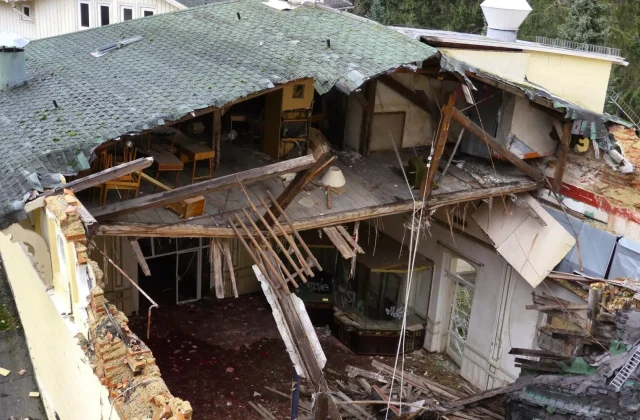
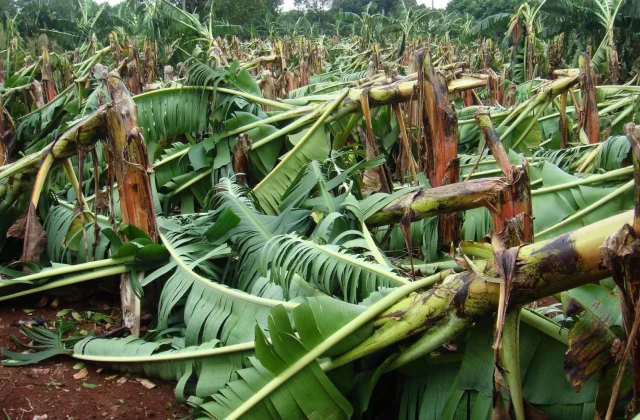
Early warning network for flood risk: Sensors installed in riverbeds
Sensors installed in riverbeds in pilot provinces alert officials to sudden rises in water levels within minutes. The system is set to be rolled out more widely.
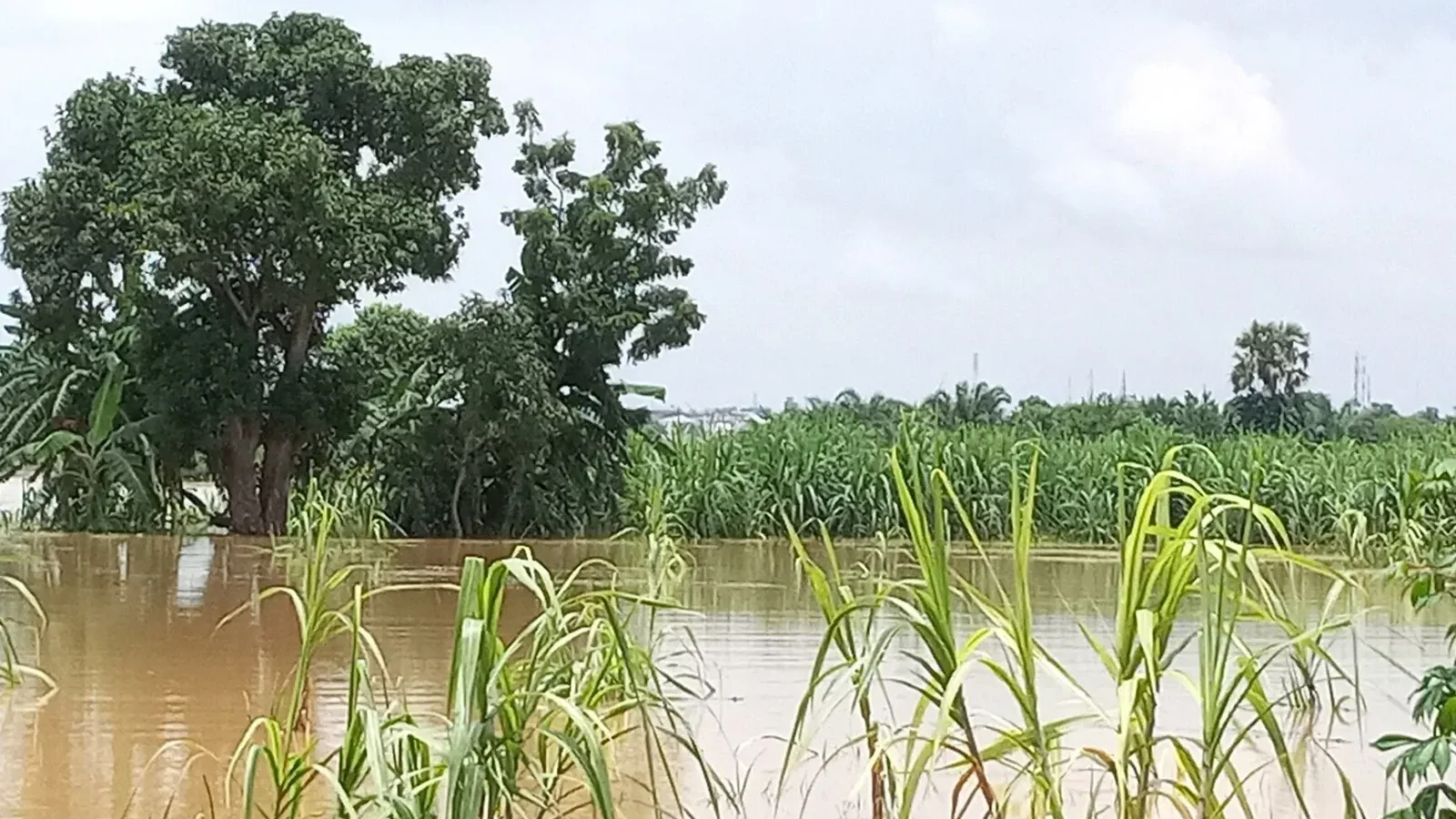
An early warning network developed to prevent losses from flash floods has been launched in pilot provinces. Sensors placed in riverbeds with a high flood risk monitor changes in water levels and flow rates in real time and transmit the data to a central hub. AI-assisted software, combining this with weather data, can detect a potential flood risk within minutes. Project lead Dr. Ryan Cooper said that in the event of a risk, warning messages will be sent to residents in the area via their mobile phones. Our team filmed the sensors being installed on site.
In this article
- How does the sensor network work?
- First results from pilot provinces
- How will alerts reach the public?
How does the sensor network work?
The system consists of water level sensors placed in riverbeds and on bridge piers. The sensors run on solar panels and transmit data to a central hub over the mobile network. Water levels, flow rates and rainfall are updated every few minutes. The sensor housings are made of durable materials so they are not damaged during floods. Because the sensors use little energy, their maintenance needs are also limited.
Software at the central hub combines data from different sensors with weather forecasts and historical flood records. Analysis by an AI-assisted model predicts when and where sudden rises could reach dangerous levels. Dr. Ryan Cooper said the model is continuously trained with new data and its forecast accuracy improves over time.
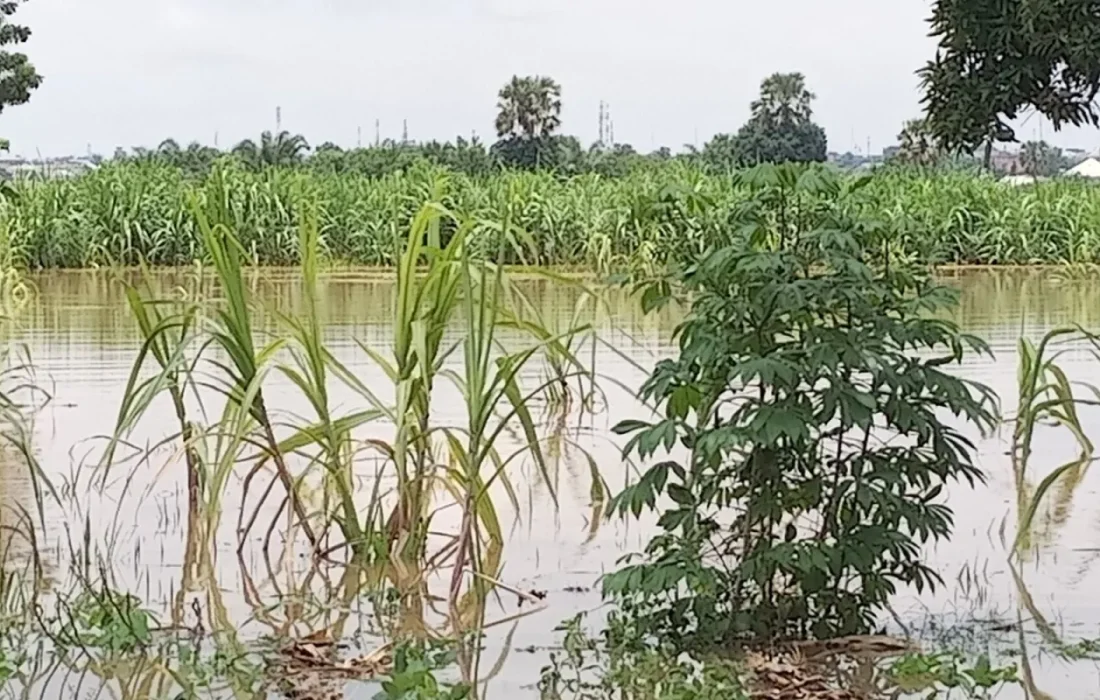
In a flood, a few minutes of early warning can be enough to save lives.
Sarah Bennett
First results from pilot provinces
The system has been tested in the pilot provinces for about eight months. During several rainy periods in that time, sensor data detected rises in river levels before they reached dangerous levels. In one case, a rapid rise was noticed forty minutes after the rain began, and an alert was sent to officials. Local teams closed roads, preventing possible accidents. This example clearly demonstrated the system's value on the ground.
Some problems identified during the pilot have also been fixed. Cleaning intervals were shortened to deal with sensors being clogged by mud and debris, and a backup communication line was added to guard against dropped connections. Local disaster coordination units say the system speeds up decision-making. The pilot results will be compiled in a report that will form the basis for the decision on a wider rollout. An assessment of the pilot results by independent experts will also underpin the rollout plan.
How will alerts reach the public?
Alerts will reach the public through multiple channels. If the risk exceeds a set threshold, location-based text messages will be sent to mobile phones in the area. Neighborhood loudspeakers, village offices and local radio stations will also be part of the alert chain. Messages will state the type of danger, the area affected and what to do, in short and clear language.
| Topic | Disasters |
|---|---|
| Highlights | artificial intelligence, climate, humanitarian aid |
| Reading time | 5 minutes |
| Written by | Sarah Bennett |
Key takeaways
- Sensors installed in riverbeds send water levels to the central hub in real time.
- AI-assisted software assesses flood risk within minutes.
- Residents in high-risk areas will receive alerts on their mobile phones.
Officials said they are also placing emphasis on public education so that early warnings are effective. Information sessions in schools and neighborhoods will explain how to use evacuation routes and assembly points when an alert is received. Budget work is under way to roll the system out nationwide. Our team filmed the sensor installation on site; you can watch the details in our video. Under the rollout plan, high-risk provinces will be prioritized in the first phase.


Leave a comment