


























































Exports rise in the third quarter, led again by the automotive sector
Foreign trade figures show exports rose in the third quarter compared with the same period last year. The automotive, machinery and chemical sectors contributed most to the increase.
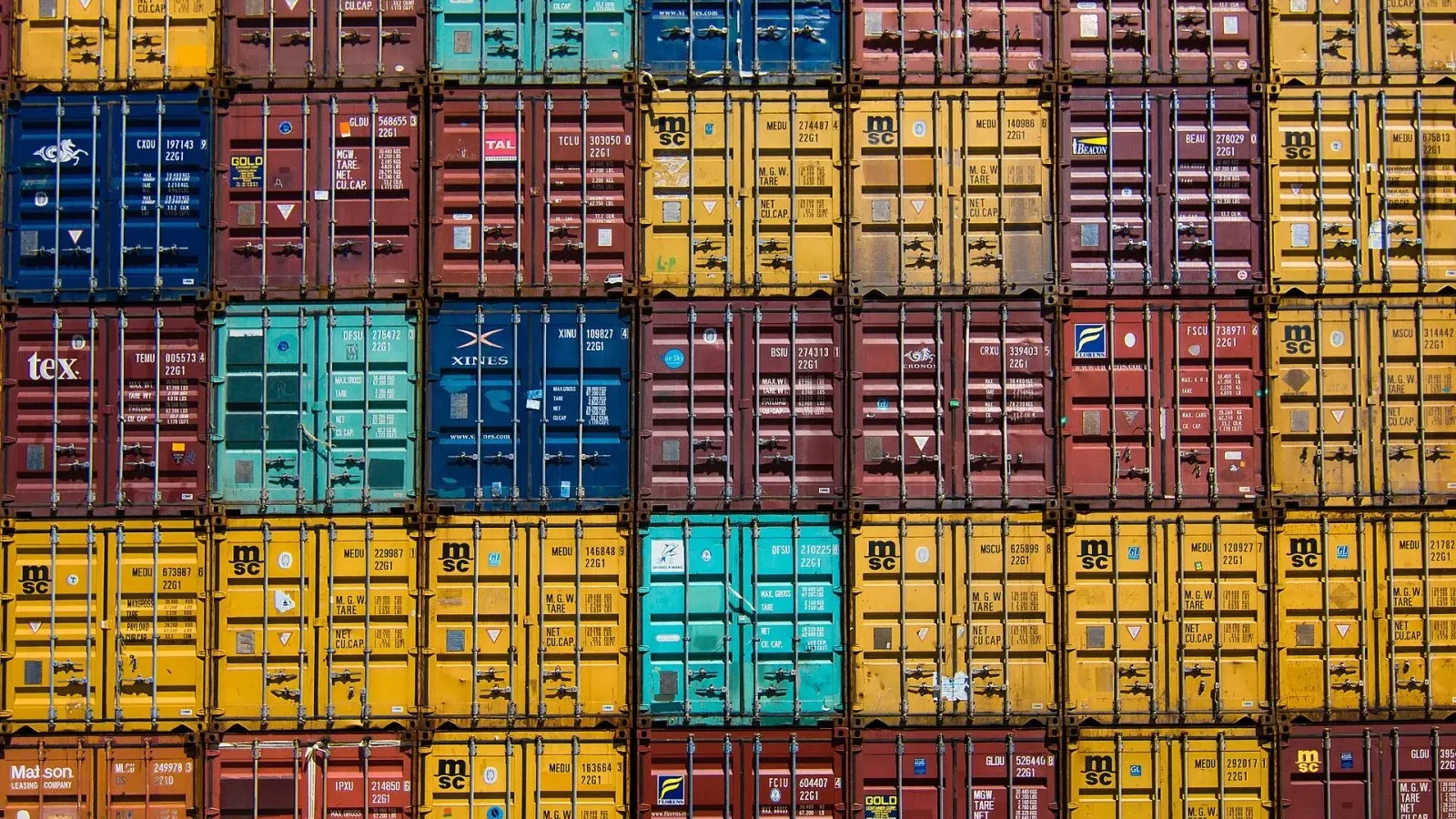
Foreign trade data released by the national statistics office show that exports rose in the third quarter compared with the same period last year. The automotive sector held on to its share of total exports and kept its place at the top of the list. Despite weak demand in Europe, growth in sales to the Middle East and North Africa stood out. Exporters' associations said they were cautiously optimistic about the final quarter of the year.
In this article
- Breakdown by sector
- A shift in markets
- What exporters expect
Breakdown by sector
Third-quarter data show that export growth was broadly spread across sectors. The automotive industry again took the largest share of the total, while machinery and chemical products were among the groups contributing most to the increase. Apparel and iron and steel posted more limited gains. The data also showed that the share of high value-added products is rising slowly but steadily.
A closer look within the quarter shows that exports of intermediate goods also continued. Items such as household appliances, plastic products and electronic components rose, while the share of energy products continued to decline. Statisticians stress that volume data adjusted for currency effects also show a healthy recovery, meaning the increase is not just a matter of prices.
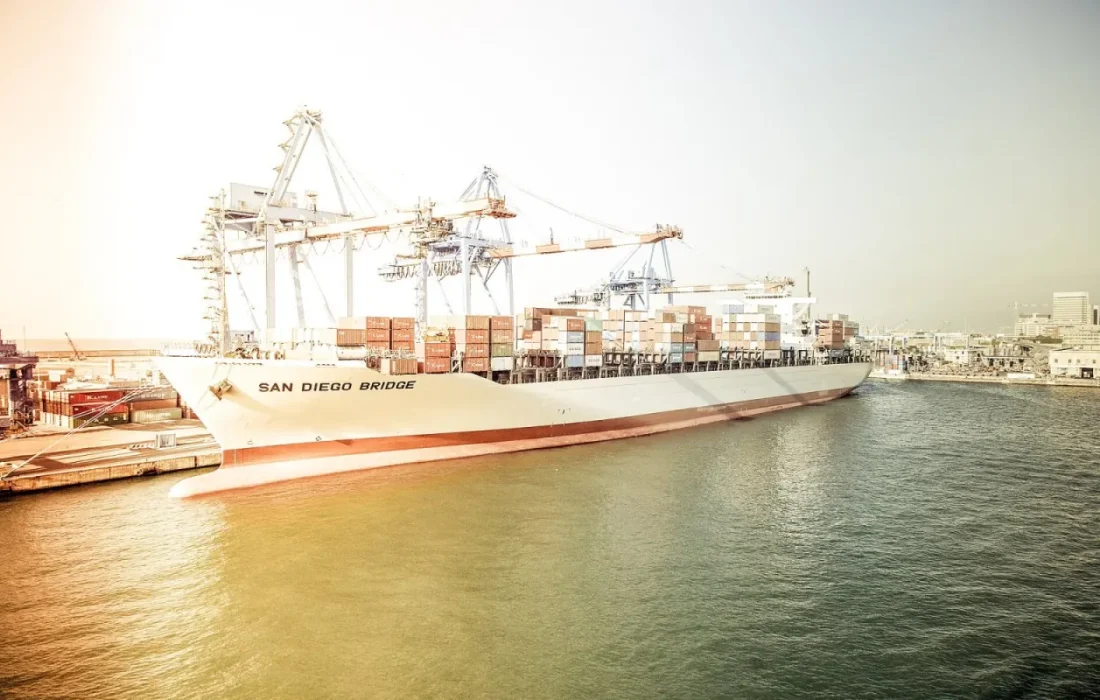
Market diversification has largely offset the impact of the slowdown in Europe.
Mark Ellison
A shift in markets
The notable shift in the geographic breakdown of exports came in markets outside Europe. Sales to European countries were flat due to weak demand, while shipments to the Middle East and North Africa rose markedly. The Gulf states became major buyers of auto parts and construction materials. In Far Eastern markets, food and processed agricultural products stood out.
Behind the market diversification are both exporters' active efforts and improved logistics costs. More frequent trade fairs and trade delegation programs made it easier for companies to meet new buyers. Foreign trade expert Natalie Shaw said reducing dependence on a single market is critical for resilience to external shocks, and that market development support must continue if the trend is to last.
What exporters expect
Exporters' associations are cautiously optimistic about the final quarter of the year. Association executives say order books are sufficiently full for the rest of the year, but that growth could slow below last quarter's pace if the economic slowdown in Europe continues. On the cost side, energy and labor expenses continue to squeeze companies' profit margins.
| Topic | Economy |
|---|---|
| Highlights | exports, investment, foreign policy |
| Reading time | 5 minutes |
| Written by | Mark Ellison |
Key takeaways
- Exports rose in the third quarter compared with the same period last year.
- The automotive, machinery and chemical sectors contributed most to the increase.
- Middle East and North Africa markets offset weakness in Europe.
Among industry representatives' demands, easier access to financing and longer maturities on export loans stand out. Some companies say greater predictability on exchange rates and interest rates would speed up investment decisions. The economic administration reiterated its aim of closing the year with record exports. The first leading indicators for the fourth quarter will be available in November.


Leave a comment