
























































Citrus export season opens: Loading under way at the ports
The first shipments of mandarins and oranges harvested along the Mediterranean are on their way to overseas markets. Exporters expect demand from new markets to support the season.
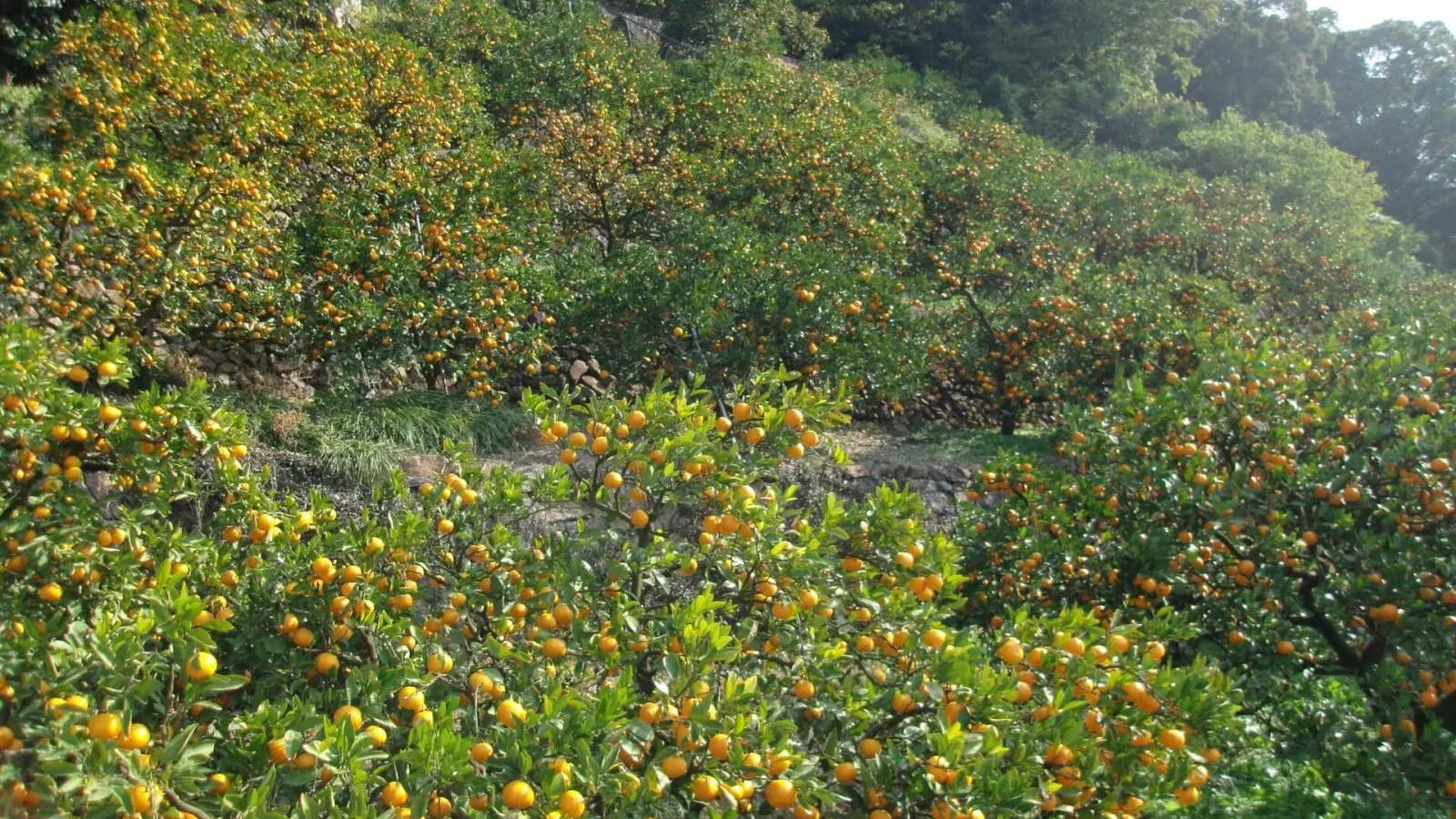
As the citrus harvest picks up pace in the Mediterranean region, the export season has officially opened. After quality checks in cold storage facilities, the first shipments of mandarins and oranges have begun leaving the ports for overseas markets. Exporters in the region say demand from the Gulf states and the Far East has risen noticeably this year, alongside traditional markets. Growers, however, stress that prices need to cover rising labor and fertilizer costs. The season is expected to last until March.
In this article
- A first look at the harvest
- Target markets
- Cold chain and logistics
A first look at the harvest
In the first weeks of the harvest, early-variety mandarins were picked and delivered to packing plants. Growers say mild weather in the spring helped fruit set this year, and that the crop is forecast to be around ten percent larger than last year. The orange harvest will pick up pace in November, with thousands of seasonal workers employed in the region during this period.
At packing plants, fruit first passes through sizing and quality grading lines before going into cold storage. Residue analyses and phytosanitary checks required for export are completed before shipment to the port. A packing plant manager said shifts run around the clock during busy periods, with hundreds of tons shipped every day. Meeting quality standards is especially important for keeping exports flowing.
Every day, from orchard to port, we race against the fruit's freshness.
Mark Ellison
Target markets
Exporters point to rising demand this year in Gulf and Far Eastern markets alongside the traditional European market. Fresh mandarins in particular are reportedly in strong demand in the Gulf states, where consumers prefer high-quality seedless varieties. In the Far East, new connections were made for juice and processed citrus products.
Trade delegations and international food fairs proved effective in entering new markets. Association executives said the number of target markets has increased compared with last year, and that reducing dependence on a single region is one of their priorities. Growers stress that, with costs rising, export prices need to be reflected in growers' incomes. This is expected to benefit both growers and exporters.
Cold chain and logistics
Cold chain and logistics are among the most critical links in citrus exports. Fruit must be cooled as soon as possible after harvest, kept at a constant temperature during transport and spend as little time as possible waiting at the port. Exporters expect port loading operations to run without interruption throughout the season. Extra shifts have therefore been added at the ports to avoid delays during loading. Customs procedures are also reportedly being handled on a priority basis.
| Topic | Economy |
|---|---|
| Highlights | exports, agriculture, investment |
| Reading time | 5 minutes |
| Written by | Mark Ellison |
Key takeaways
- The Mediterranean citrus harvest is picking up pace as the first shipments leave port.
- Demand from the Gulf and the Far East rose noticeably this year.
- The cold chain and port loading are seen as the season's critical links.
Logistics companies announced that capacity for refrigerated containers and trucks has been increased this year compared with last year. Priority areas set aside for citrus loading at the ports are shortening shipping times. Officials expect the season to last until March and total exports to exceed last year's. Growers hope the weather will remain favorable throughout the season.



Leave a comment