






























































Herbal teas that support immunity in the winter months
From linden to ginger and from sage to rosehip, we rounded up winter's must-have herbal teas and the right way to brew them. A cup of hot tea is a cold day's best friend.
Table of contents
As the weather turns cold, a hot cup of herbal tea becomes an essential evening ritual for many of us. Plants such as linden, sage, ginger and rosehip warm us from the inside and are traditional winter favorites. To get the most out of herbal teas, though, it pays to watch steeping times and water temperatures. People with chronic conditions or who take regular medication are also advised to consult their doctor before drinking herbal teas.
The most-loved winter herbal teas
Linden is the first tea that comes to mind in winter. The soft scent of its flowers and its slightly sweet flavor make for a soothing ritual on cold evenings. Sage has a sharper aroma and a slightly bitter taste, while ginger brings a spicy, warming flavor. With its tangy taste, rosehip is used not only for tea but also for jams and compotes. Whichever you choose, you may want to try the plant's natural aroma before reaching for a sweetener.
Although these plants are traditionally popular in winter, it can't be said that they have a definite effect on immunity. Herbal tea is an enjoyable way to drink plenty of fluids and adds a soothing break to your day. No herbal tea can replace basic habits such as balanced eating, enough sleep, movement and hand hygiene for a healthy winter.
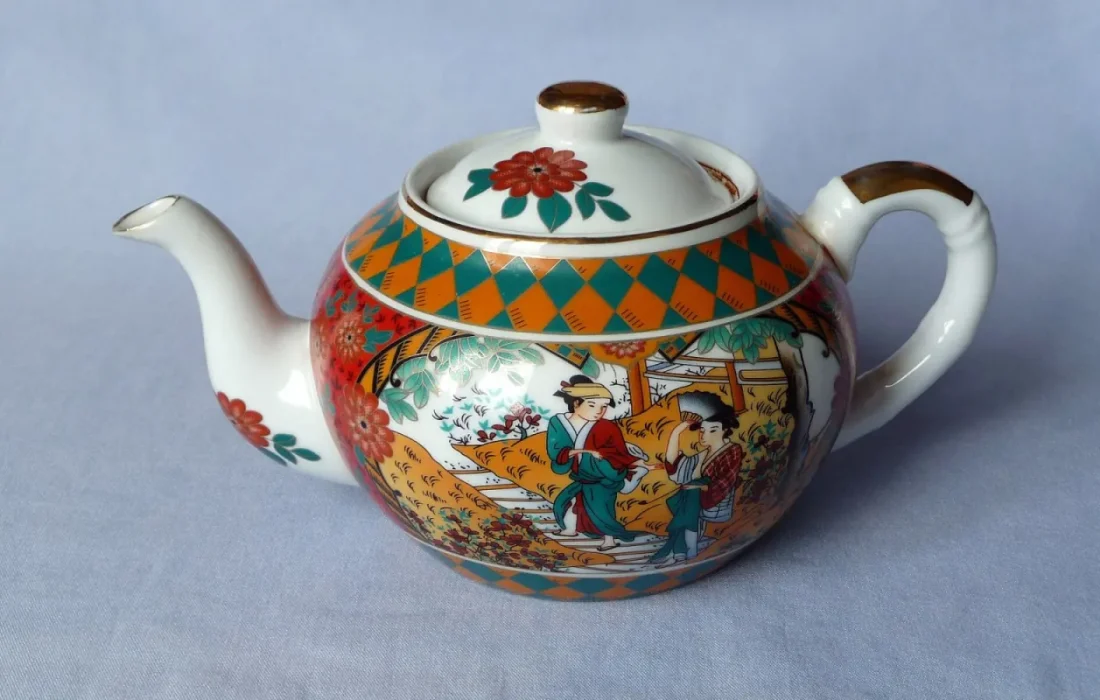
A cup of linden tea is the warmest conversation of a winter evening.
Sarah Bennett
How to brew them right
The taste of a tea depends on steeping time and water temperature. For linden, let boiled water rest for a minute or two, pour it over the dried flowers and steep for five to seven minutes. Leaf teas such as sage and mint are best steeped for three to five minutes. Ginger can be sliced or grated and simmered over low heat for about ten minutes. Keeping the teapot lid closed prevents the volatile aromas from escaping.
To brew rosehip, crush the dried fruit and let it sit in hot water for ten minutes for good results. Storing herbs in closed glass jars away from light and moisture preserves their aroma longer. If you use loose herbs instead of tea bags, it's important to trust the source; choosing a reputable herbalist or a labeled product reduces the risk of poor quality.
Things to keep in mind
Just because herbal teas are natural doesn't mean they are safe in every situation. Pregnant and breastfeeding women, people with chronic illnesses and anyone on regular medication should talk to their doctor before drinking herbs such as sage and ginger in particular. Some herbs may interact with blood thinners and with blood pressure and diabetes medications. If you have allergies, it makes sense to try a new herb in a small amount the first time.
| Topic | Nutrition |
|---|---|
| Highlights | herbal tea, evening routine, winter |
| Reading time | 5 minutes |
| Written by | Sarah Bennett |
Key takeaways
- Linden, sage, ginger and rosehip are winter's most-loved herbal teas.
- Steeping time and water temperature determine the flavor of the tea.
- Anyone on medication, and pregnant women, should talk to a doctor first.
One or two cups a day is enough for most people; there's no need to overdo it. To avoid waking up at night, finish your evening tea at least an hour before bed. Checking with a pediatrician before giving herbal tea to children is also a must. In short, enjoy this warm winter-evening ritual, but with knowledge and moderation.
What do you think about this post?
Leave a comment