


























































Yoga instructor Ellen Porter: “Consistency matters, not flexibility”
We talked with Ellen Porter, who has been teaching yoga for twelve years, about the most common beginner mistakes, building a home practice and being kind to yourself.
Table of contents
Ellen Porter discovered yoga years ago in the middle of a hectic work schedule and gradually made the practice the center of her life. Today she works with students of different ages and levels, both in the studio and in online classes. According to Porter, the biggest misconception among beginners is thinking yoga is a practice for flexible people. In our interview, Porter explained the value of short but regular practice a few times a week and how yoga can carry over into everyday life.
Steering clear of comparison
Porter believes comparison is yoga's greatest enemy. She says the acrobatic photos we see on social media leave a false impression of what yoga is. In her view, a good yoga practice isn't about imitating someone else's pose but about finding what is right for your own body today. This perspective also protects beginners' self-confidence.
The instructor describes the most common beginner mistake as constantly pushing yourself. Learning to tell pain from stretch takes time; for her, yoga isn't a struggle. Someone in class who keeps checking how far the student next to them can bend isn't hearing what their own body is saying. That's why Porter suggests her students close their eyes in their first class.
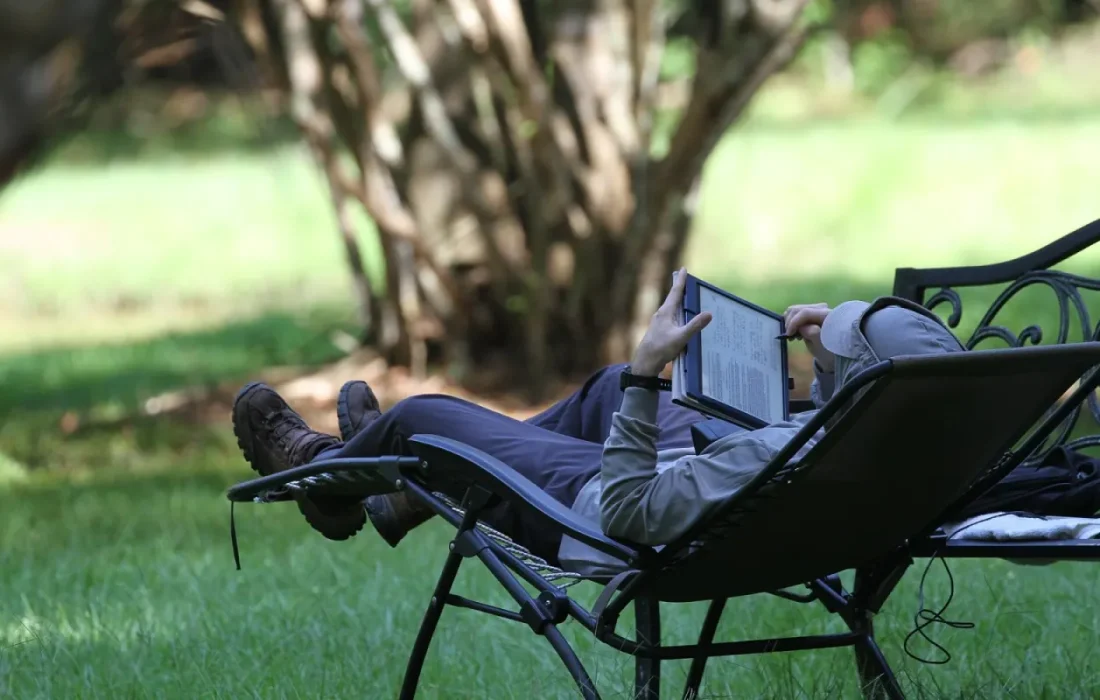
Yoga doesn't start with flexibility but with the desire to come back to the mat every day.
Sophie Laurent
Building a regular home practice
Porter's advice for building a home practice is very simple: a set place, a set time and a small goal. Three days a week, twenty minutes is enough. Keeping your mat rolled out makes it easier to overcome the biggest obstacle to practice, the hassle of getting set up. There's nothing wrong with practicing along with videos at first, either.
She says the secret to regular practice is keeping it short and repeatable. A ten-minute flow is often more sustainable than an hour-long session. On days when motivation is low, simply rolling out the mat and taking a few breaths is practice too. According to Porter, consistency brings far more progress than flexibility. The only price is showing yourself a little patience.
Yoga off the mat
Porter stresses that yoga exists off the mat too. Noticing your breath while standing in line, pausing for a second and letting go when you feel angry, relaxing your shoulders during the day… All of these are part of yoga. In her view, yoga off the mat is harder and more valuable than the movement on it. This perspective is a reminder that yoga is more a form of awareness than a sport.
| Topic | Yoga |
|---|---|
| Highlights | beginners, mindfulness, morning routine |
| Reading time | 7 minutes |
| Written by | Sophie Laurent |
Key takeaways
- According to Porter, comparing yourself with others is beginners' biggest obstacle.
- A steady twenty-minute practice three days a week can last.
- Off the mat, yoga means noticing your breath and slowing down.
At the end of the interview, we asked for her message to beginners. Porter asked them to be kind to themselves, trust their bodies and remember that yoga is a journey. She added that they should get support from a teacher if needed and consult a doctor if they have health issues. Yoga is one of the practices that gives the most when it isn't weighed down with expectations. In short, letting go of comparison may be the gentlest and most lasting way to progress in yoga.
What do you think about this post?
2 Comments
Really useful piece, thank you for putting it together.
I had never thought about this side of it. Looking forward to a follow-up.