












Studio Conversations: building a brand with handmade products
In this episode of our podcast series, we talked with founder Sienna Walsh, who turned soap-making at her kitchen counter into an international brand, about the challenges of growing with handmade products.
Table of contents
In this episode of Studio Conversations, our guest is Sienna Walsh, who started making natural soap in her own kitchen five years ago and today ships her products to twelve countries. Walsh talked about the challenges of growing production while keeping the warmth of handmade products, the search for sustainable packaging and how a small brand can stand out among big competitors. She also candidly shared the mistakes she made on her entrepreneurial journey and what she learned from them. We suggest listening to the episode on your commute or while working in the studio.
From kitchen counter to studio
Sienna Walsh's story begins with a pot bubbling in a small kitchen and a few bars of soap. Her first customers were neighbors and friends, and production happened on evenings after work and on weekends. Walsh says she wrote down every recipe she made at home during the first year, and today that recipe notebook is the brand's most valuable asset.
For her, moving from the kitchen to a studio wasn't a single decision but a gradual process. First she set aside a room for production, then rented a small studio, and only after that did she go full time. She says this slow transition both reduced the financial risk and let her test the quality of her products. She deliberately avoided growing in a hurry and waited another year before hiring her first employee.
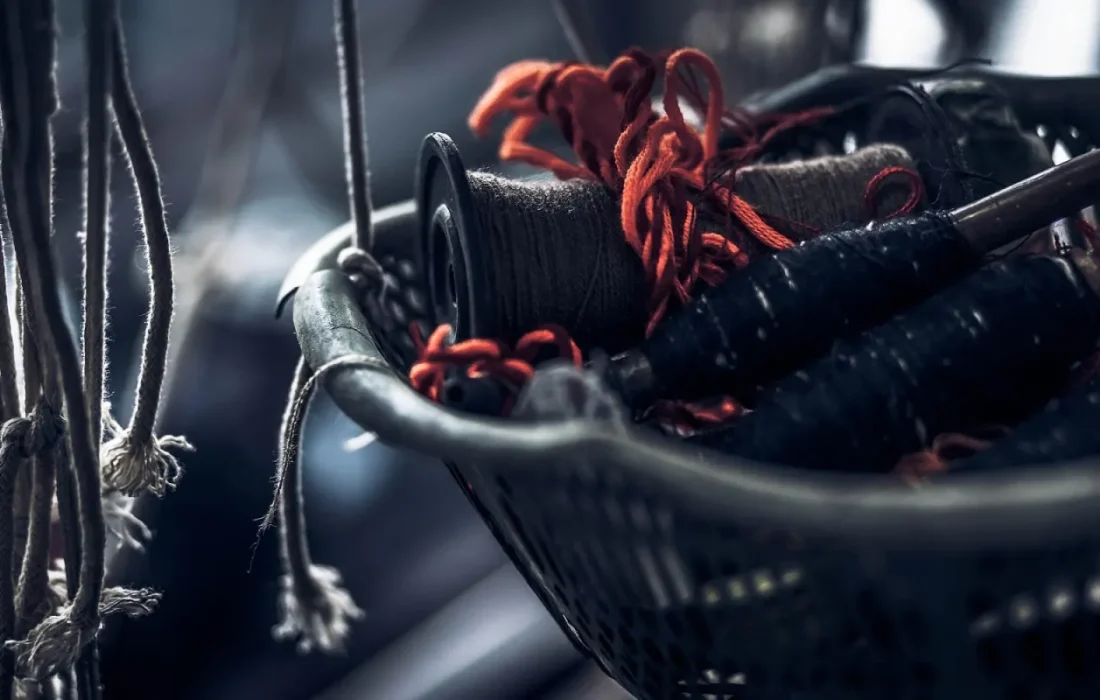
A handmade product carries the story of human labor within it.
Mark Ellison
Scaling handmade products
The hardest part of scaling handmade products is increasing production while keeping quality and warmth intact. Walsh recommends recording every production batch, writing recipes by weight and explaining the logic of the work to your first employees. To her, a recipe isn't just a list of ingredients; it's also a record of patience, temperature and resting time. Thanks to the notes in her notebook, she can make the same soap with the same scent even years later.
She adds that while scaling, she deliberately kept a few things small. They still include a short handwritten note in every order, make new products in limited runs and reply to customer messages the same day. She says growth can happen without losing the brand's soul, but that requires deciding in advance who says yes to what, and when.
Sustainable packaging
For Walsh, sustainable packaging is part of the product, not decoration added afterward. The soaps now ship in thin but sturdy recycled cardboard boxes sealed with paper tape, cushioned with wood shavings and crumpled paper. Giving up plastic film raised costs in the early years, but the customer response more than made up for it.
| Topic | Enterprise |
|---|---|
| Highlights | handmade, entrepreneurship, sustainability |
| Reading time | 3 minutes |
| Written by | Mark Ellison |
Key takeaways
- Walsh moved from kitchen to studio gradually and with low risk.
- Recording recipes by weight is a basic condition of scaling.
- Recycled packaging increased customer trust.
She also notes that packaging alone doesn't make something sustainable. For her, the real questions are how long the product is used, how little waste it leaves behind and whether the customer reuses the box. That's why they designed some boxes to be worth keeping, and they offer a small discount to customers who bring empty boxes back.
What do you think about this post?
Leave a comment