




























































The return of analog photography: why film cameras are back in demand
In the middle of the digital age, film cameras are coming out of drawers again. We talked with young photographers returning to analog about the reasons behind the revival.
Table of contents
At a time when we can take hundreds of photos in seconds with our phones, working with a thirty-six-exposure roll of film may seem odd at first. Yet interest in analog photography has grown markedly in recent years, especially among young photographers. Photographer Lily Boyd says a film camera forces you to think before every frame, and that this constraint feeds creativity. We talked with Boyd and other analog enthusiasts about the reasons behind the revival and their tips for beginners.
The discipline of thirty-six frames
The discipline of thirty-six frames is one of the main reasons analog photography draws so much interest. Lily Boyd says that when working with a roll of film she thinks before every frame, because every press of the shutter costs money and means waiting for the result. Where digital lets you shoot hundreds of frames and choose later, with film the decision is made at the moment of shooting.
For many young photographers, this constraint has a liberating effect. After taking a few frames, instead of chasing the camera, it becomes possible to live the moment, build the composition more carefully and truly read the light. The photographers we spoke to shared one view: shooting analog works like a school that teaches you to slow down, and it later changes the way they shoot digital too.
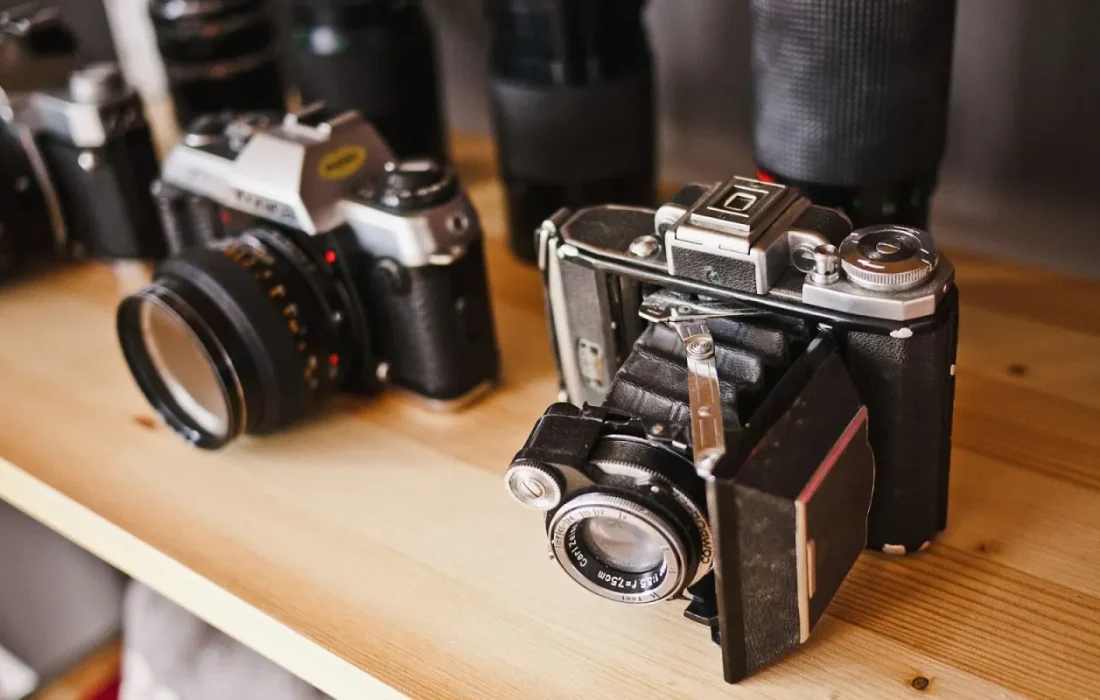
Film teaches you to see every frame as a decision.
Ethan Brooks
The magic of the darkroom
The magic of the darkroom is the stage where film differs most from digital. The developing chemicals, the red safelight and the image slowly appearing on the paper move many people deeply the first time. Boyd says she still can't forget the amazement on someone's face as they made their first print. Learning the basics of the chemical process in workshops is the safest way to start.
Not everyone needs to set up a darkroom at home. Many cities have labs offering film developing and scanning; you can drop off your film and pick up digital scans a few days later. Still, trying the developing process once is valuable for understanding what film is. When working with chemicals, wearing gloves, ensuring ventilation and following safety instructions are non-negotiable.
What do you need to get started?
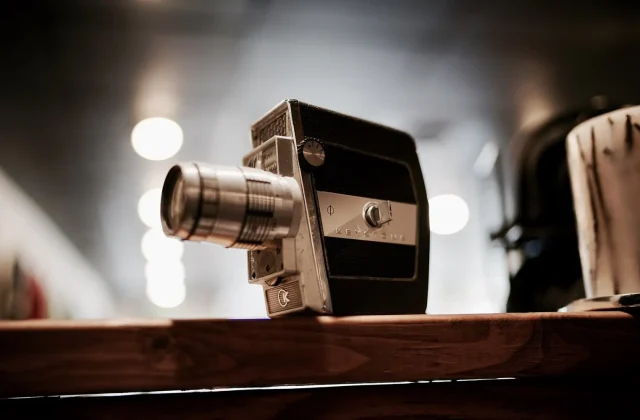
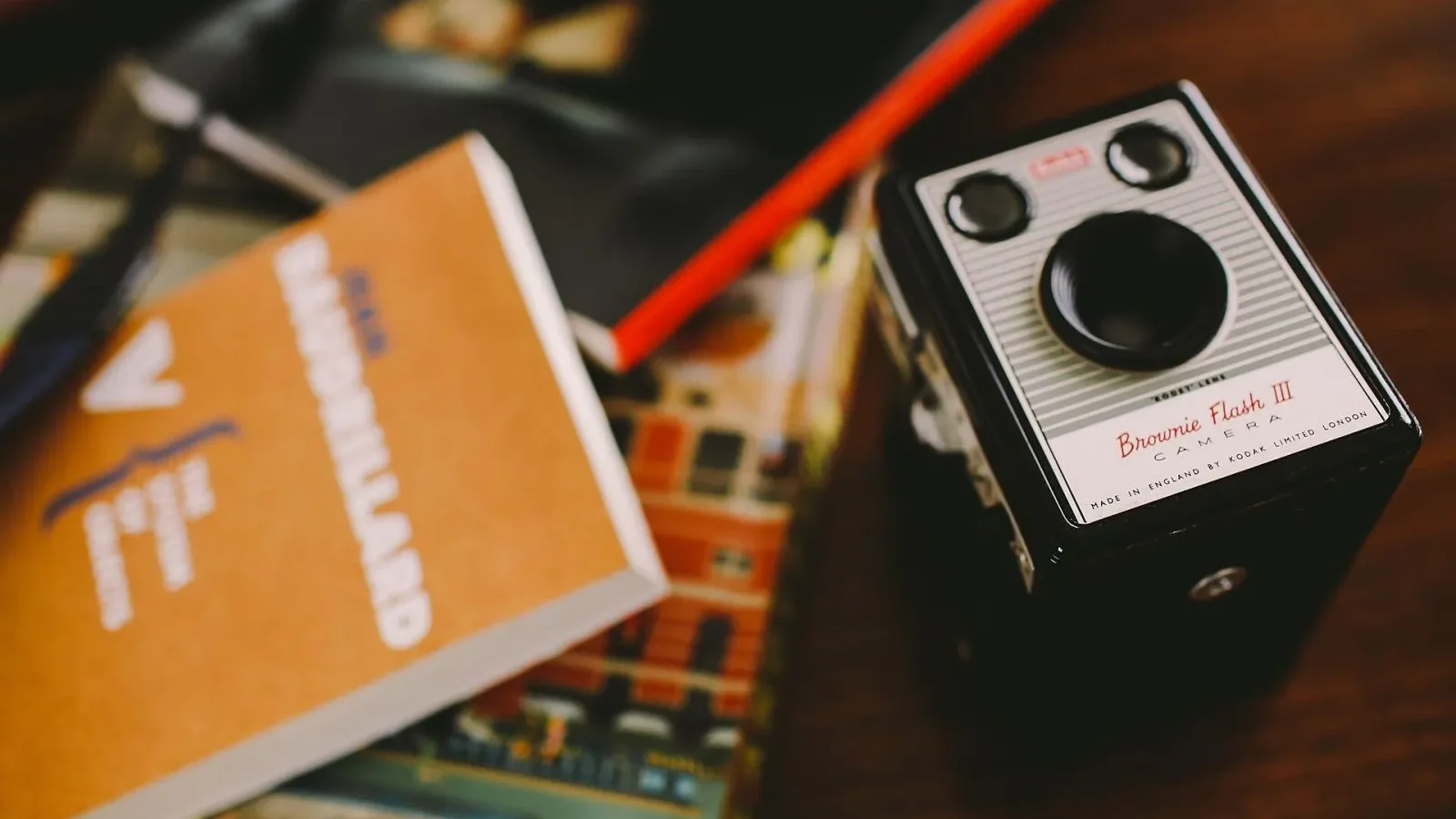
You need less equipment to start than you might expect. A secondhand mechanical camera, one or two rolls of film and a basic understanding of exposure are enough. Boyd recommends shooting your first roll in daylight, in bright scenes, because those conditions forgive mistakes. The choice of film matters too: color negative films are flexible, affordable options for beginners.
| Topic | Photography |
|---|---|
| Highlights | photography, creative process, handmade |
| Reading time | 7 minutes |
| Written by | Ethan Brooks |
Key takeaways
- A limited number of frames encourages more mindful, slower shooting.
- Developing and printing are the most striking stages that set film apart from digital.
- A secondhand mechanical camera and a few rolls are enough to start.
To understand how the camera works, you need to learn the exposure triangle: the relationship between aperture, shutter speed and ISO. Keeping a notebook, writing down the settings for each frame and comparing them with the results speeds up learning. At first some frames will come out blank or dark; that's natural. Boyd's advice: treat your first three rolls as an experiment and focus on the process more than the results.
What do you think about this post?
Leave a comment