




Table of contents
In a creative job interview, how you present your portfolio matters as much as the portfolio itself. The creative directors we spoke to say the most common mistake candidates make is rushing through every project with equal weight. A good presentation should instead clearly convey the story of a few selected projects, the problems faced and the decisions made. With advice from creative director Tom Sexton, we've gathered ways to stand out at the interview table.
Trying to show everything
Trying to show everything is the mistake creative directors see most often. Tom Sexton says candidates who show twenty projects in an interview skip through most of them in ten seconds, and by the end he doesn't remember any of them. Walking through three or four projects in depth leaves a much stronger impression. Decide which projects to choose based on the position you're applying for.
When choosing, he suggests asking: Does this work show how I think? It makes sense to cut work that looks good but has no story behind it. Prepare a roughly five-minute narrative for each project and leave room for the interviewer's questions. Timing your presentation in advance and rehearsing in front of a friend are the most practical ways to keep nerves in check.
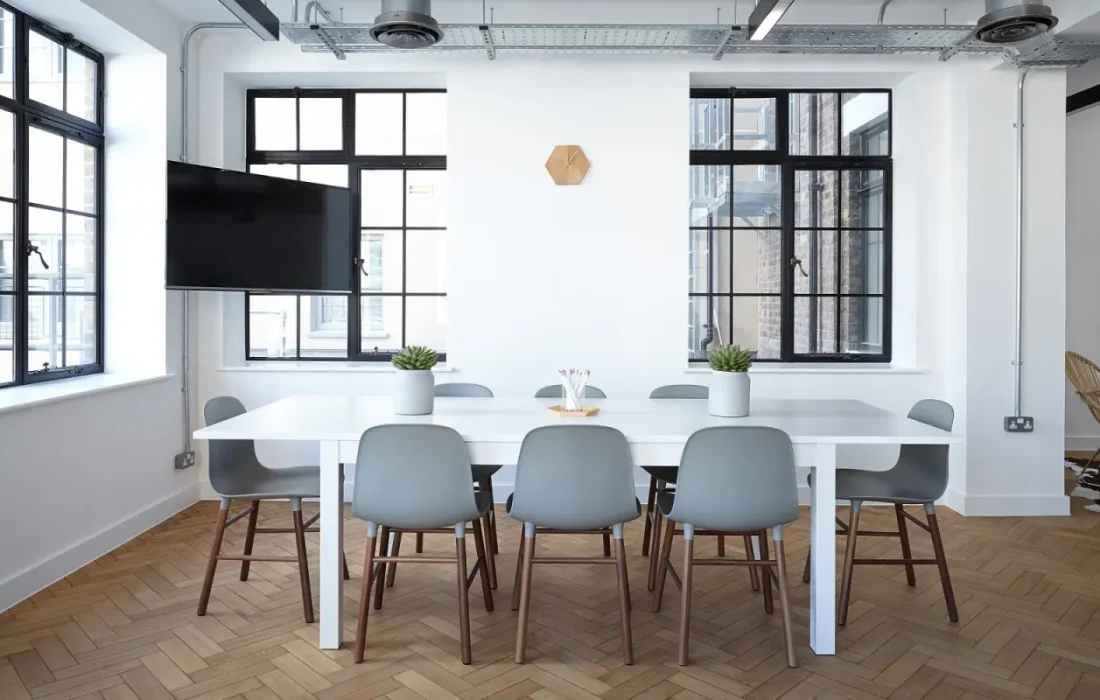
What you say in an interview matters as much as what you show.
Ethan Brooks
Not explaining the process
Not explaining the process is the second big mistake. Sexton says candidates show the final image and move straight on to the next project, when what really interests the interviewer is how the process worked. What the problem was, what research was done, which alternatives were tried and why this solution was chosen reveal how a designer thinks.
When explaining your process, you don't have to make everything look flawless. Sexton finds it especially valuable when candidates share a mistake they made on a project and the lesson they took from it. It shows maturity and a willingness to learn. When describing teamwork, it's also important to draw a clear line between “we” and “I,” stating your own contribution clearly without exaggerating it.
Arriving unprepared for questions
Arriving unprepared for questions is another thing that weakens a good portfolio. Sexton lists questions that come up often in interviews: Why this company? Which piece of work are you proudest of? How did you resolve a difficult situation with a client? Writing out answers to these in advance helps you speak more comfortably in the moment. Rather than memorizing the answers, boiling the main ideas down to three-word notes helps you find a natural flow.
| Topic | Career |
|---|---|
| Highlights | career, portfolio, freelancing |
| Reading time | 7 minutes |
| Written by | Ethan Brooks |
Key takeaways
- Covering three or four projects in depth beats skimming through twenty.
- The problem, alternatives and decisions are what show the process.
- Preparing for common questions in advance makes the interview easier.
Asking the interviewer questions is part of the preparation too. Asking how the team works, how projects are evaluated and what's expected of you in the first three months shows genuine interest. Finally, Sexton suggests sending a short thank-you message after the interview. An interview isn't an exam but a conversation in which both sides get to know each other; candidates who prepare with that mindset are usually more at ease.
What do you think about this post?
Leave a comment