

























































Building with natural materials: a new generation’s take on timber and earth
Young architects are reinterpreting traditional timber and earth-building techniques with a contemporary design sensibility. In this video we look at the principles behind the approach and some example projects.
Table of contents
In a building world long dominated by concrete and steel, natural materials are drawing attention again. Timber and earth sit high on young architects' agendas, thanks both to their low carbon footprint and to the warm atmosphere they create indoors. In our video, architect Dana Oakes explains how they learn traditional building techniques from master craftspeople and adapt them to contemporary projects. She also covers the insulation and durability issues to watch when working with these materials.
The return of earth and timber
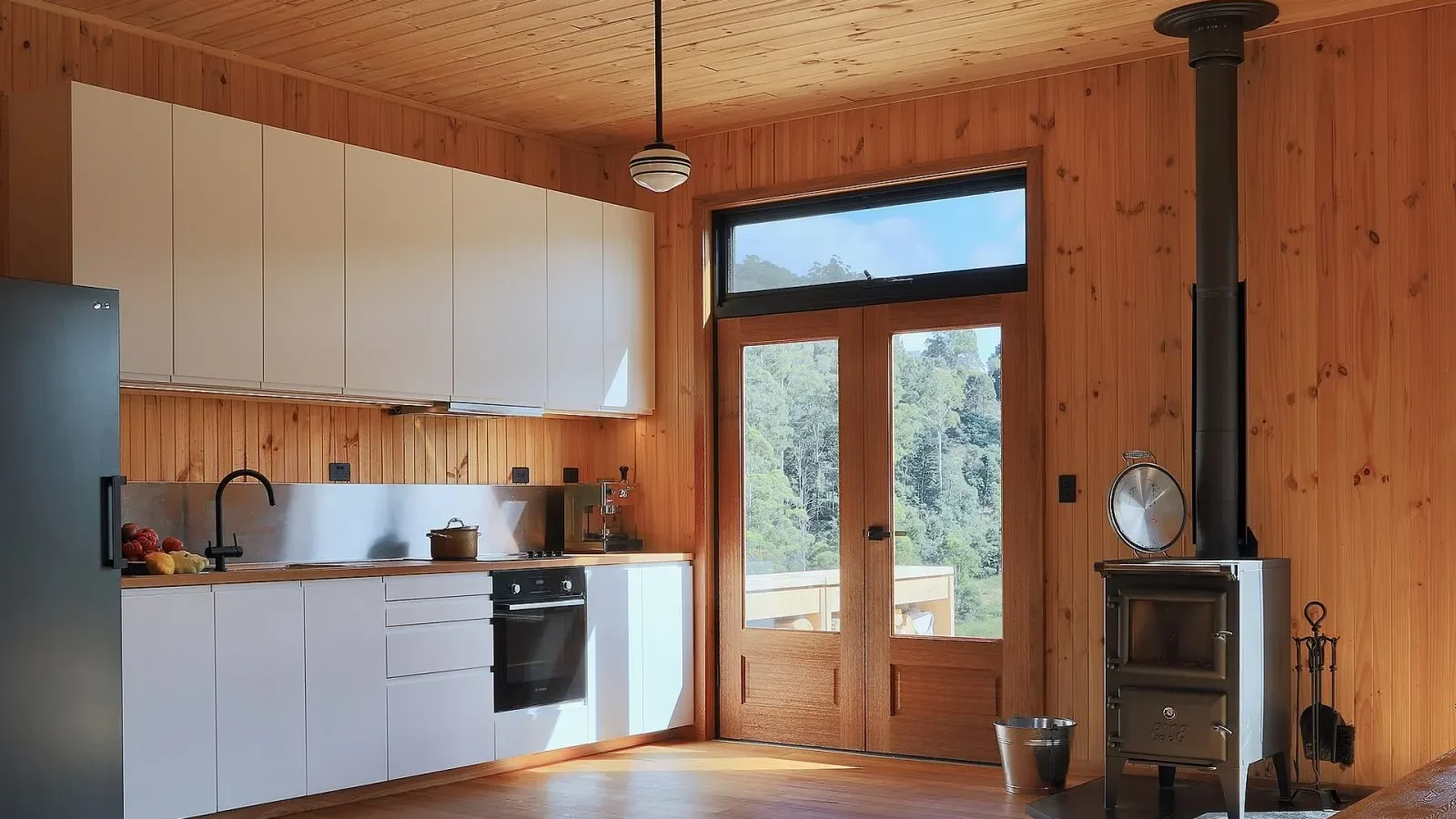
The return of earth and timber isn't just a nostalgic choice. Adobe, made by mixing local soil with straw and water and leaving it to dry, takes very little energy to produce. Timber, when it comes from the right source, locks carbon inside it. In the video, architect Dana Oakes explains from an environmental and climate perspective why these two materials are back on the agenda.
According to Oakes, the biggest advantage is their ability to balance heat and humidity. Thick adobe walls help keep interiors cool in summer and warm in winter, while timber adds a warm texture indoors. Still, since every climate and every site is different, whether a material suits local conditions has to be assessed through preliminary studies. Without that fit, the material alone isn't a solution.
Earth and timber give a building a body that breathes.
Sophie Laurent
Traditional craft, contemporary lines
When traditional craft meets contemporary lines, interesting results emerge. Oakes works directly with local adobe builders on her projects, learning wall thickness, plaster mix and drying time from them. She then adapts that knowledge to clean lines, large windows and open-plan layouts. The buildings carry traces of regional architecture while offering today's comforts.
The video shows two example projects: a timber-frame studio and a small guesthouse with adobe walls. In both, the materials are left exposed, without any showiness. Highlighting the value of the builders' knowledge, Oakes says architects should document it and pass it on to future generations. This collaboration brings both architects and craftspeople new work and renewed respect.
From country houses to city buildings
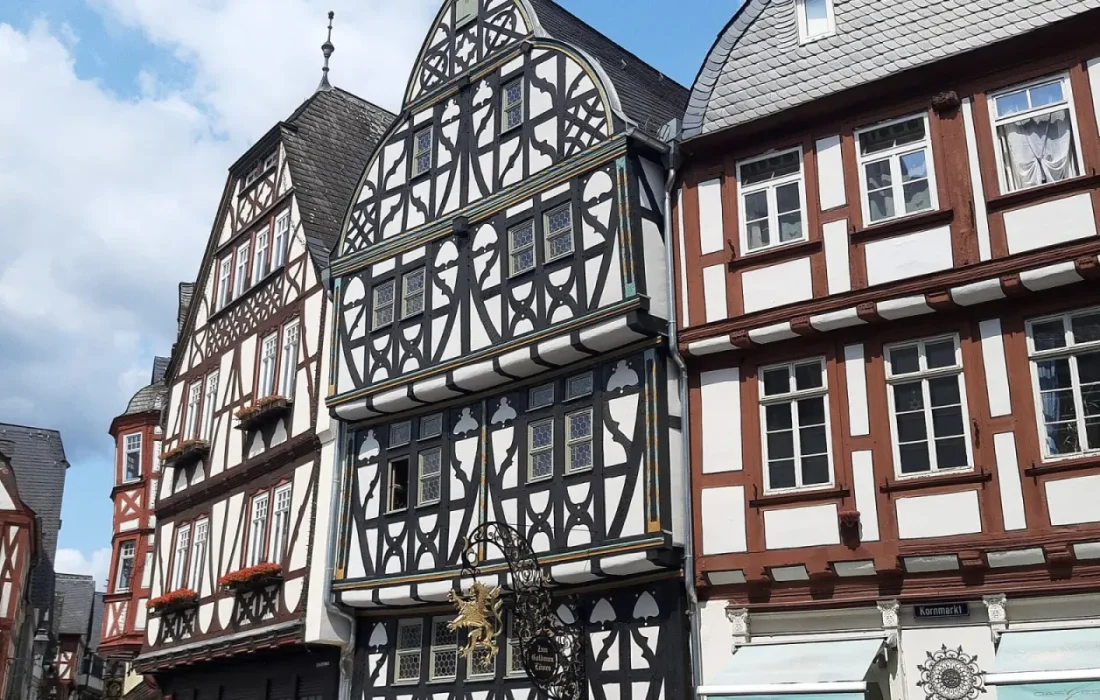
The move from country houses to city buildings is the most talked-about aspect of this approach. Oakes uses examples to show that adobe and timber can be used not only in rural areas but also for interior finishes, partition walls and low-rise city buildings. In high-rise buildings, however, using these materials structurally is limited by engineering calculations and building codes.
| Topic | Architecture |
|---|---|
| Highlights | sustainability, interior design, handmade |
| Reading time | 7 minutes |
| Written by | Sophie Laurent |
Key takeaways
- Adobe and timber combine low-energy production with climate comfort.
- The best results come when local builders' knowledge meets contemporary design.
- Insulation, moisture and engineering calculations are the project's most critical issues.
On insulation and durability, Oakes is frank. Adobe must be protected from water, foundations should be raised and roof overhangs kept wide. Timber needs proper treatment against moisture, pests and fire. At the end of the video she reminds viewers that surveying the site with a local engineer and an experienced builder before starting a project is the safest way to begin.
What do you think about this post?
Leave a comment