



















































Digital Pulse Podcast #44: The rise of audio dramas and stories you watch with your ears
Why are series with no picture gaining listeners? In episode 44, we talk audio fiction, listening on the go and new production models.

Can a series be enjoyed without ever reaching a screen? In episode 44 of the Digital Pulse Podcast, we looked for the answer in the rise of audio fiction. Our guests are a producer who works in sound design and a listener who has followed stories read aloud for years. We've listed the notes we took during the recording and our listening list for you. Throughout the episode, one approach won out: it works best with headphones on.
In this article
- What we talked about in this episode
- Guest views
- Recommendations from the episode
What we talked about in this episode
We began the episode by explaining what audio dramas are: long-form stories voiced by actors and enriched with music and sound effects, made entirely for the ear. They're often described as the digital-age successor to radio drama. We talked about why listener numbers have grown in recent years and what that means for streaming platforms. The conversation reminded us that audio storytelling is an old tradition, revived in new forms.
Then we moved on to listening on the go. For people who can't look at a screen on the shuttle, the subway or a walk, audio dramas are an appealing option. In the second half of the episode, we looked at production models: an audio drama costs far less than a filmed production, but the creative effort is at least as high. That's why audio dramas aren't replacing filmed content; they're opening a space of their own alongside it and drawing new listeners.
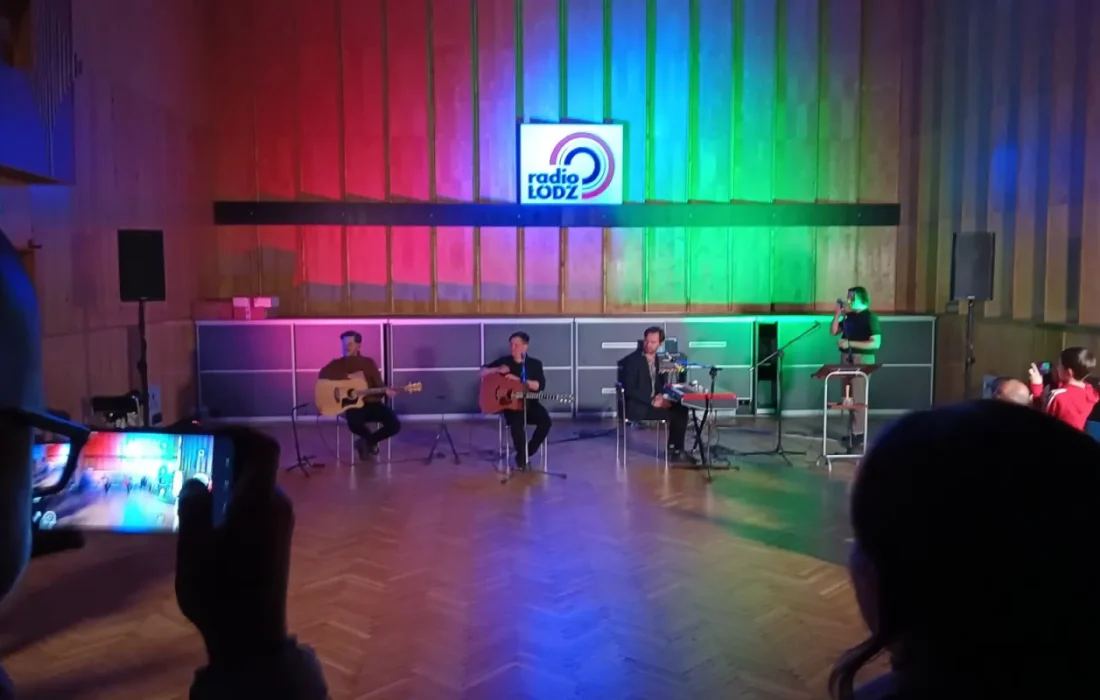
In audio fiction, silence is a cast member too, as long as it lands in the right place.
Emily Carter
Guest views
Our guest, sound designer Paige Carver, explained that in a story without pictures, every sound works like a character. A creaking door, a distant car horn or the sound of rain builds the scene in the listener's mind. According to Carver, in a good audio drama the listener sees nothing yet imagines everything; the real challenge is balancing sounds without one drowning out another. She also demonstrated a few simple sound tricks she uses in the studio live for us, and everyone had a great time.
Evan Doyle, who has listened to audiobooks for many years, spoke from the listener's point of view. Doyle said audio dramas let him unwind at the end of a busy day without looking at a screen. He added that episodes running between twenty and thirty minutes are ideal for commuting, and that each episode should end with a small surprise. Doyle stressed that good voice acting can hold a listener for hours, a kind of magic that has nothing to do with pictures.
Recommendations from the episode
In the episode, we recommended a crime audio drama best enjoyed on headphones; its sound design drops you right in the middle of the street. The second pick is a fairy-tale series you can listen to with the kids. The third is a comedy made up of short episodes, perfect company on a walk. We chose these three for different listening settings and added each one's running time to the episode notes.
| Topic | Streaming |
|---|---|
| Highlights | podcast, audio drama, listening |
| Reading time | 7 minutes |
| Written by | Emily Carter |
Key takeaways
- Audio dramas appeal to anyone wanting screen-free stories on the go or on a walk.
- In good sound design, every sound is balanced like a character.
- Episodes of twenty to thirty minutes are ideal for listening on the go.
We also told listeners two things to look for when choosing good headphones: comfort and sound separation. Paige Carver suggested doing your first listen in a quiet room if possible. Evan Doyle recommended listening to audio dramas on an evening walk rather than right before bed, since they take attention if you don't want to miss the story. We closed the episode with a little homework for listeners: listen to a screen-free story for twenty minutes a day for a week.
What do you think about this post?
Leave a comment