























































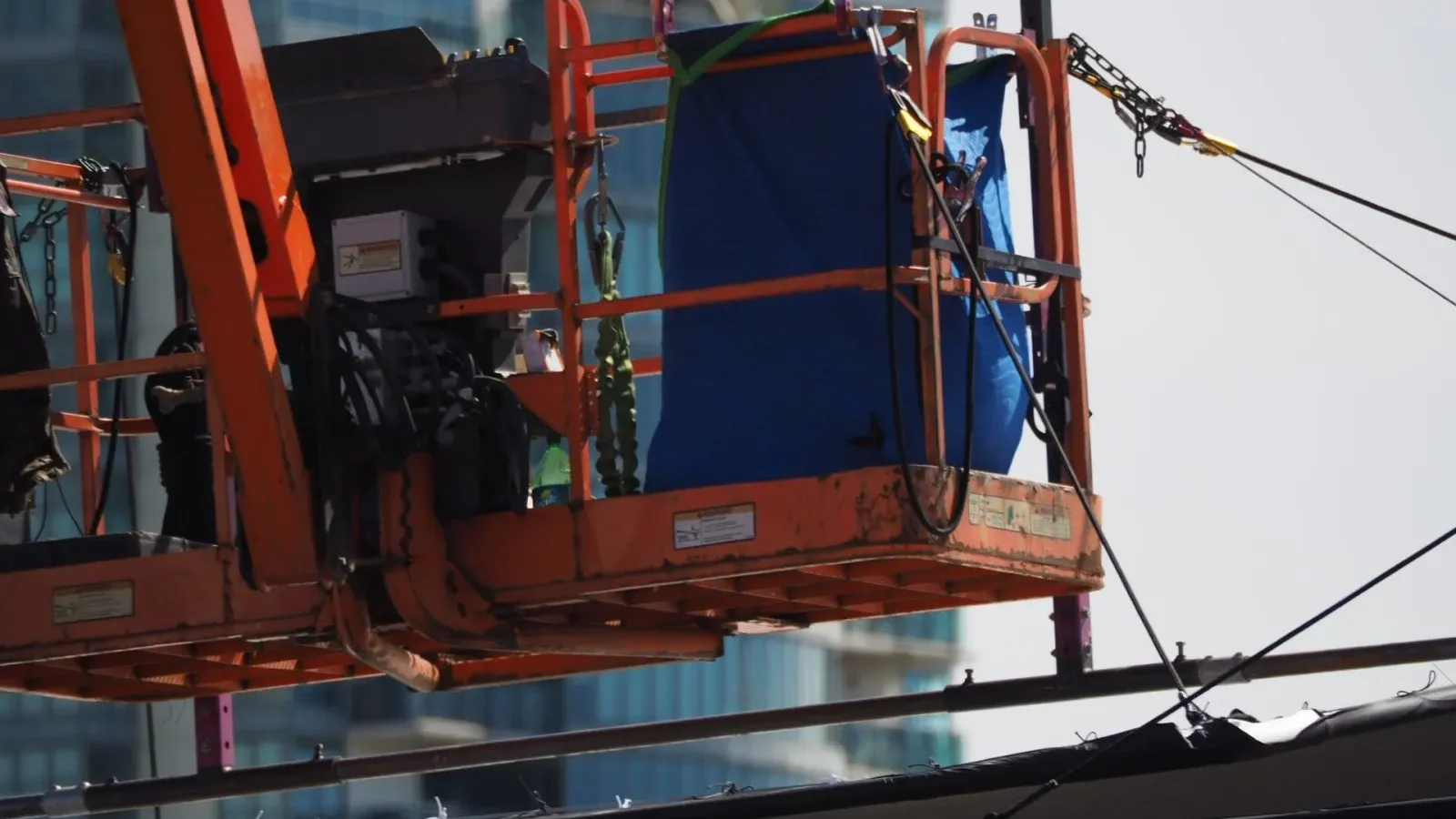
Young director Evan Callahan: “I shot my own neighborhood in my first film”
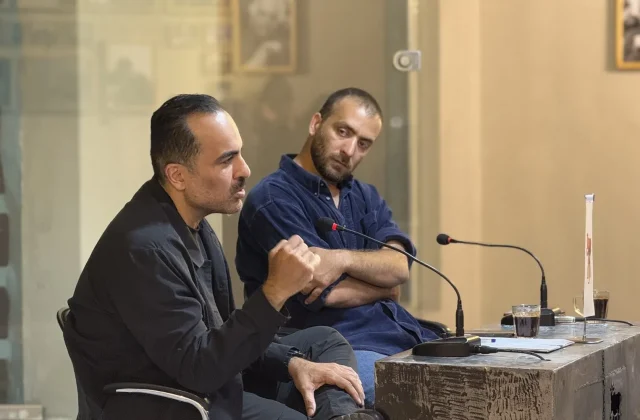
Evan Callahan, whose first feature has been turning heads at festivals, talked about the tough shoot behind his film about neighborhood life. The video of our interview is out now.
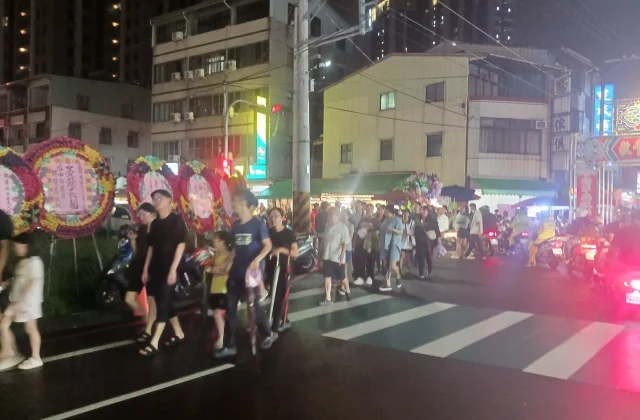
Evan Callahan's first feature was shot in the narrow streets of the Riverton neighborhood where he grew up, mostly with non-professional actors. The film drew strong interest from audiences and critics at its festival screenings. We talked with Callahan about what went on behind the scenes of a film shot on a tight budget, the process of putting his neighbors in front of the camera and the pressure that comes with a first film. You can watch the full interview in our video.
In this article
- From the neighborhood to the set
- Working with non-professional actors
- The festival journey and beyond
From the neighborhood to the set
Callahan says the idea for the film came when he returned, years later, to the neighborhood where he grew up. The streets were familiar, but the people had changed, and that transformation became the film's core emotion. Instead of building a studio set, they worked inside real homes. His neighbors greeted the camera with suspicion at first, then started bringing tea and became part of the crew.
One of the biggest challenges on set was shooting without disrupting neighborhood life. Mealtimes, market days and the end of the school day set the daily schedule. Callahan believes this gave the film an unusual realism. In his view, a child riding past on a bike or a neighbor calling out from a balcony would never feel this natural if it were written into the script.
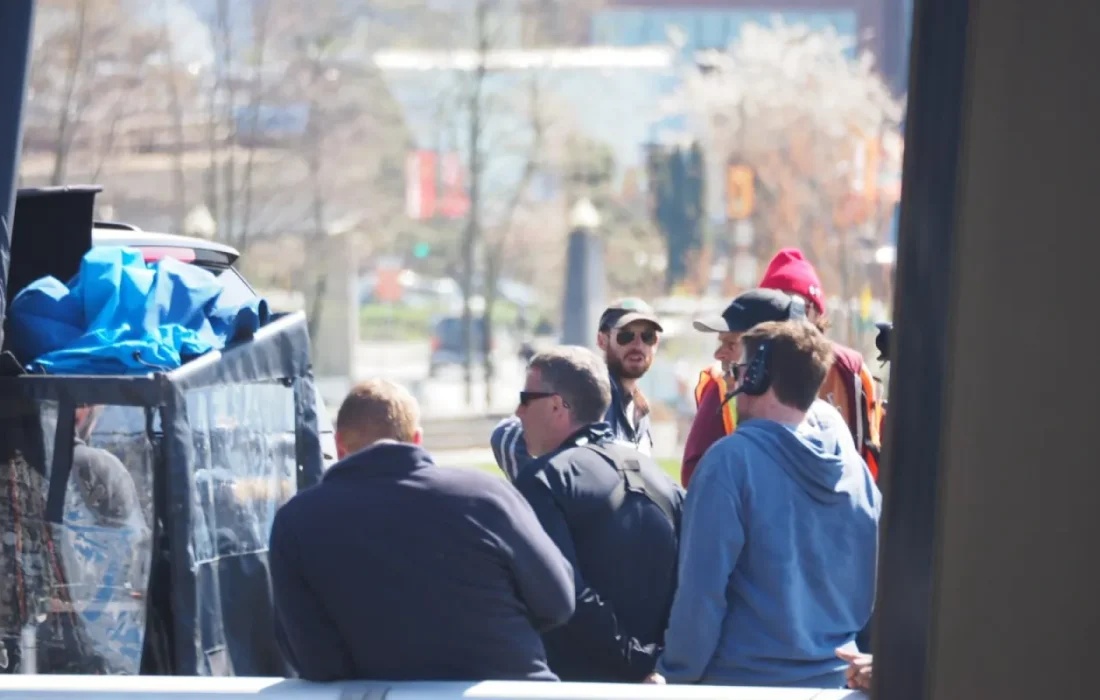
When we turned the camera on our own neighborhood, suddenly everyone wanted to tell their story.
Sarah Bennett
Working with non-professional actors
For Callahan, working with non-professional actors was both a risk and a huge opportunity. Since the actors didn't know what to do in front of the camera, they stayed themselves instead of acting. The director was careful not to repeat scenes too often, because the naturalness of the first takes could be lost. That is why some scenes were shot only once or twice.
Instead of rehearsing, they prepared by talking together. Rather than reading the script, the actors listened to what each scene was about and expressed it in their own words. Callahan says the method sometimes led them away from the script, but the result was always more heartfelt. And the moment one of the actors saw himself on screen for the first time was unforgettable.
The festival journey and beyond
The film's festival journey began unexpectedly. The director says he had no great expectations when he submitted it to a small competition. But the positive response after the first screening opened the doors to other festivals. Meeting a different audience at each screening showed him new sides of the film. The questions young viewers asked, in particular, made him see his neighborhood through different eyes.
| Topic | Interviews |
|---|---|
| Highlights | interview, cinema, film festival |
| Reading time | 6 minutes |
| Written by | Sarah Bennett |
Key takeaways
- The film was shot in real homes in the Riverton neighborhood where the director grew up.
- Non-professional actors brought sincerity to the film with their natural performances.
- The festival journey began unexpectedly and gave him confidence for his next project.
The period after the festivals was, in Callahan's own words, “a roller coaster.” He felt pressure to come up with ideas for a second film, but he also gained a new confidence. His advice to young directors is to trust their own stories. You can watch the full interview in our video and browse photos from the shoot. New screening dates for the film will be announced soon; you can follow the schedule on our page.
Leave a comment