


























































Post-run stretching: A ten-minute routine for tired legs
Ten minutes after your run can help your legs feel better. In our video, we show the essential stretches, from calves to hips.
Table of contents
It's tempting to sit down or head straight for the shower once you finish a run, but a short cool-down and stretching routine can do your body good. In our video, physical therapist Zoe Kline demonstrates a ten-minute stretching series for the calves, hamstrings and hips, the areas runners often struggle with. The routine begins with a short cool-down walk and encourages you to perform each move slowly, in time with your breath. Kline reminds you to stop immediately if you feel a sharp pain while stretching.
Cool-down walk
Instead of stopping right after a run, a five-minute cool-down walk lets your heart rate come down gradually. Take deep breaths as you walk with slow steps and let your arms hang loose. You don't need to stretch yet at this stage; the aim is to keep your muscles from cooling too quickly and to settle your pulse. Changing out of sweaty clothes if possible and putting on an extra layer also keeps you from getting chilled.
In the video, Kline also shows how to relax your shoulders and hands at the end of the cool-down walk. Shoulders can tense up during a run without you noticing. Shaking out your arms and lifting and dropping your shoulders a few times is enough. You can treat drinking water and having a light snack as part of the cool-down too. These simple habits can help your body recover more comfortably after a run and leave you better prepared for the next day's run.
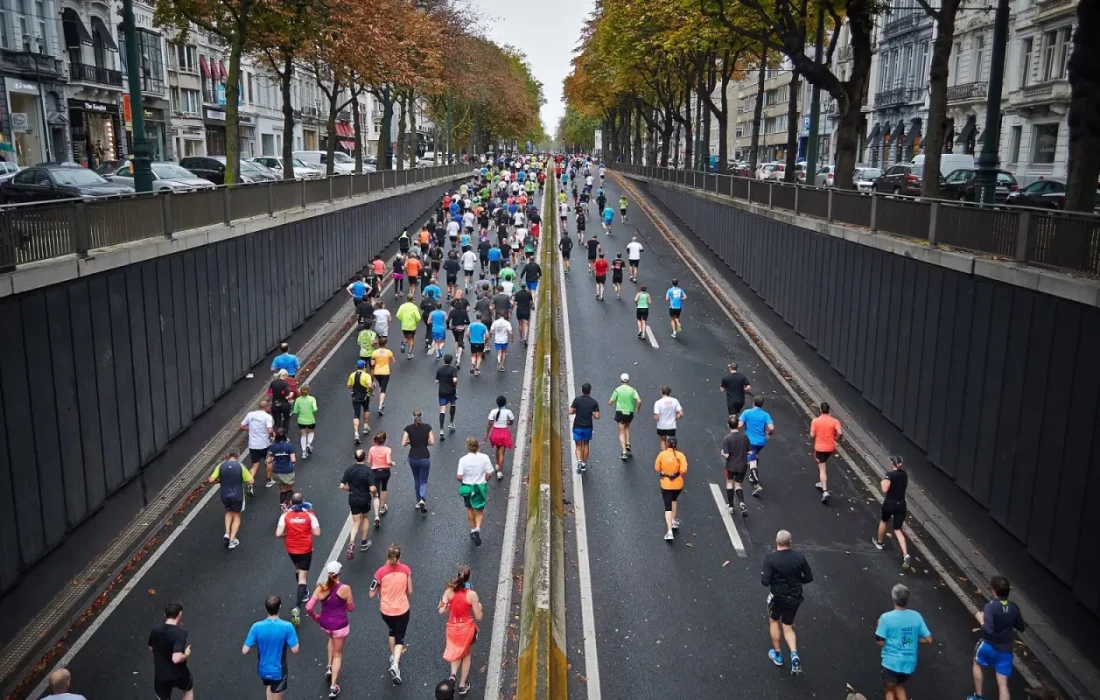
The run ends on the road, but the care continues on the mat.
Mark Ellison
Calves and hamstrings
The calves and hamstrings are where runners put the most strain. The video covers two basic moves: a calf stretch against a wall and a hamstring stretch, folding forward either seated or standing. You hold each move for twenty to thirty seconds. A mild pulling sensation during the stretch is normal, but if you feel a sharp or burning pain, you should stop.
Kline stresses the importance of stretching with the breath and without forcing it. Rather than going deeper as you exhale, it's safer to stay at the same point and let the body relax on its own. Since stretching is more effective while the muscles are warm, it's best done right after a run. Work both legs for the same amount of time. Giving each leg equal time is all you need for a balanced recovery.
Hips and lower back
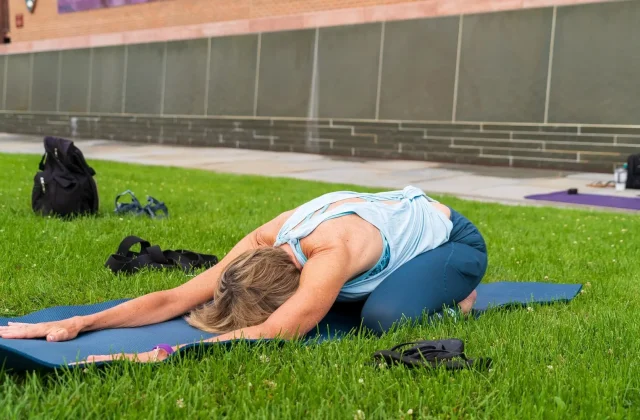
The video includes three moves for the hips and lower back. The first stretches the front of the hip in a half-lunge position. The second involves lying on your back and drawing one knee to your chest. The third opens the outer hip by placing one ankle on the opposite knee. Each takes about thirty seconds. Slow, deep breathing can help ease the tension in this area.
| Topic | Running & Walking |
|---|---|
| Highlights | running, stretching, movement |
| Reading time | 4 minutes |
| Written by | Mark Ellison |
Key takeaways
- A cool-down walk helps settle your pulse gradually.
- Basic stretches for the calves, hamstrings, hips and lower back are shown.
- If you feel a sharp pain, stop the stretch.
When the routine is over, lying on your back for a few minutes with your legs raised can be a gift to tired legs. Done after three or four runs a week, this stretching routine can help your legs feel better. If you have recurring injuries or pain, however, the best course is to get an assessment from a physical therapist. Watch the video once or twice, then repeat it at your own pace.
What do you think about this post?

Leave a comment