



























































Small changes you can start at home for a more sustainable life
Sponsored contentThis content was produced as an advertisement / partnership.
A sustainable life doesn't demand big sacrifices. We share small but effective steps you can take at home, from the kitchen to the bathroom and from shopping habits to energy use.
Sustainability is often associated with big, hard-to-reach goals. Yet the shift that is good for the planet and for our budget can start with small steps at home. Using up leftovers, cutting back on single-use products, choosing secondhand and managing energy use mindfully are just a few of them. The point is not to change everything at once, but to bring sustainable habits into our lives step by step.
In this article
- Cutting waste in the kitchen
- Mindful shopping
- Saving energy and water
Cutting waste in the kitchen
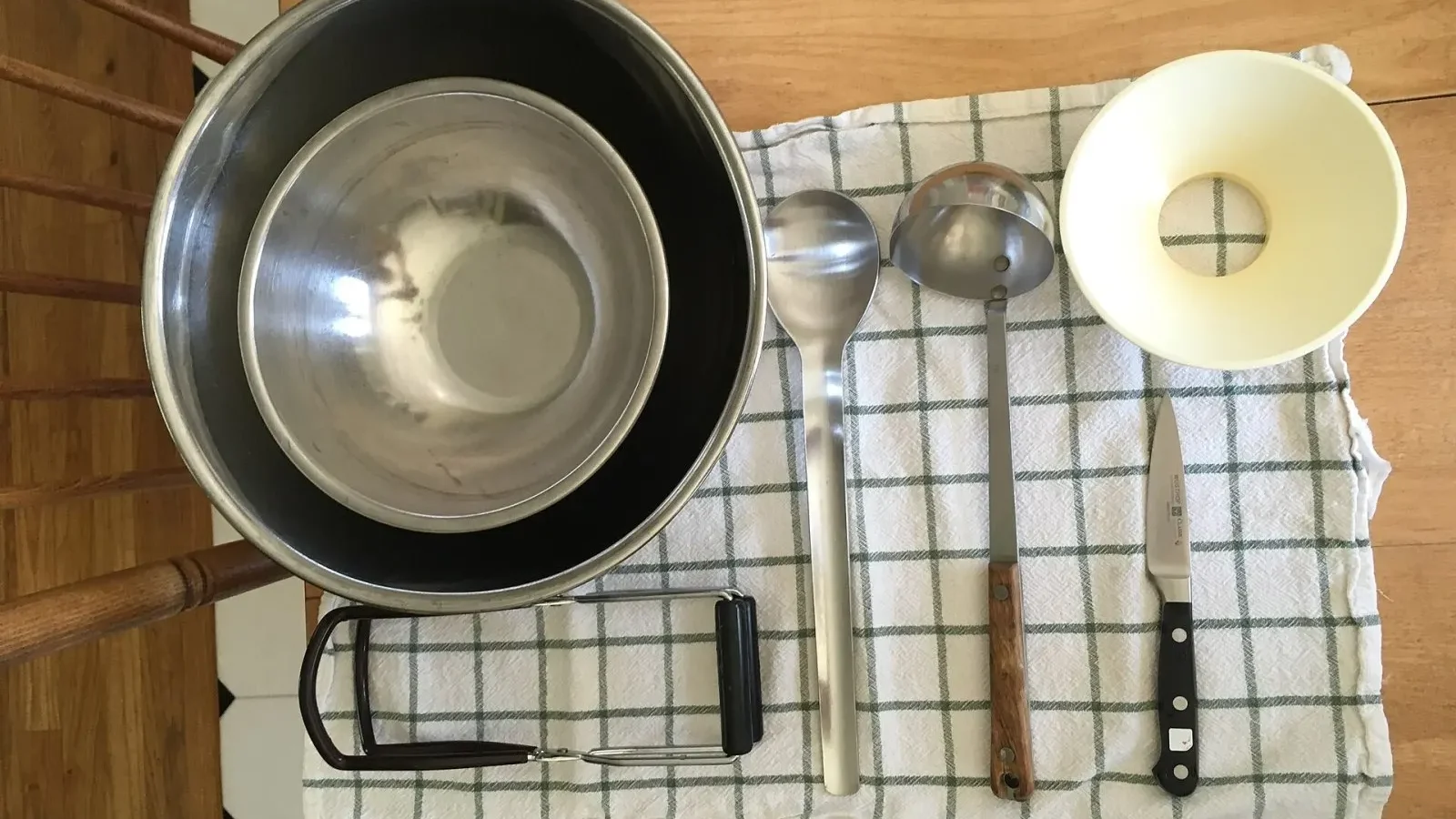
The kitchen is where most household waste is created, so it's also the easiest place to start changing. Checking the fridge and cupboards and making a list before you shop keeps you from buying the same thing twice. Making soup from leftover vegetable stems, or croutons or a yogurt dish from stale bread, cuts waste and brings creativity into the kitchen.
There are simple steps for cutting back on single-use products too. Switching to cloth napkins, glass storage containers and washable alternatives to wax paper can become a habit within a month. Composting isn't right for every home, but some cities and neighborhood networks run organic waste collection programs. Every small change in the kitchen shows up right away in the weight of the trash bag.
You don't have to be a perfectly sustainable person; just try to do a little better every day.
Sarah Bennett
Mindful shopping
Mindful shopping means choosing better as much as buying less. Before putting something in your cart, ask yourself whether you'll use it at least a hundred times. Thrift stores, swap meetups and repair cafés ease the strain on both your budget and the planet. A good pair of trousers or a sturdy pot can last three times longer than the cheap alternative.
Reading labels matters too, but be wary of exaggerated “green” claims. Brands that give clear information about what a product is made of, where it comes from and how it can be repaired are more trustworthy. So our advice isn't to turn to any particular brand, but to build in a waiting period before buying and to reconsider whether you need it three days later.
Saving energy and water
The most effective steps for saving energy and water are often the most ordinary. Unplugging devices you're not using, switching to LED bulbs, washing laundry at low temperatures and cutting a few minutes off your shower can make a noticeable difference to your bills. If you note down the devices left on standby in your home for a week, the number may surprise you.
| Topic | Lifestyle |
|---|---|
| Highlights | sustainability, minimalism, handmade |
| Reading time | 6 minutes |
| Written by | Sarah Bennett |
Key takeaways
- A shopping list and using up leftovers noticeably cut kitchen waste.
- Building in a waiting period before buying supports mindful consumption.
- Adding one new habit each month is the most sustainable approach.
For heating, sealing gaps around doors and windows with weatherstripping, using heavy curtains and turning the thermostat down by one degree are easy, cheap steps. For water, fitting aerators to faucets, fixing a dripping tap and watering plants with rainwater may be enough. The point isn't to do it all at once, but to add just one new habit each month.



Leave a comment