






















































Special report: From the water bill to the reservoir level, cities’ hidden water crisis
In a six-month investigation, we examined cities' water sources, network losses and consumption habits. Drought is not just a question of rainfall.
Table of contents
In recent years, reservoir levels in many cities have fallen to critical thresholds. In our six-month investigation, we examined the state of water resources not only through rainfall data but also alongside network losses, industrial and agricultural use and rapid population growth. The documents and expert opinions we gathered indicate that, because of aging infrastructure, a significant share of treated water is lost before it ever reaches the tap. Hydrologist Prof. Grace Turner says the search for new sources cannot be sustainable without first cutting existing losses. Later in the report, we look on the ground at the solutions being tried in different cities.
Why aren't the reservoirs filling up?
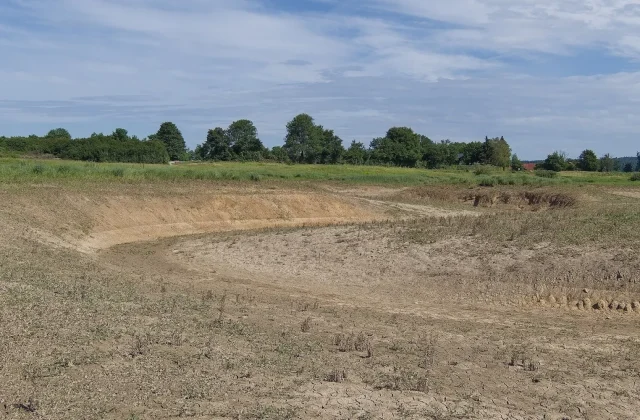
To understand why reservoir levels are falling, you first have to accept that water doesn't come from rain alone. Some of the rain that falls on a basin evaporates, some seeps into the soil, and the rest reaches the reservoirs through rivers. Rainfall patterns have also changed in recent years: water that should build up as snow and be stored until spring now falls as rain in midwinter and quickly runs off to the sea.
In the three cities we examined, the amount of water drawn from reservoirs has grown faster than the population. Demand from industrial zones, tourist areas and new housing developments keeps adding up. Municipal officials admit that planning was based on population forecasts from ten years ago and that reality has long since outpaced them. So even when the reservoirs don't fill up, consumption doesn't stop, and the reserve shrinks a little more every year.
The cheapest way to find water is to recover the water we lose.
Ethan Brooks
Water lost in the network
Network losses are the most striking part of the report. According to documents we obtained through freedom-of-information requests, in some cities a fifth of treated water is lost before it reaches users. Part of this comes from leaks in old pipes, part from illegal connections and part from faulty meters. Loss rates vary by as much as a factor of two from one city to another.
We spent a day with a maintenance crew in one district. The crew deals with about ten burst pipes a week on average, but the replacement budget has stayed the same for years. One technician says the hardest part is finding the losses, because most leaks flow silently underground. In areas monitored by sensors, losses have dropped markedly, but those areas make up only a small part of the city.
Conservation or new investment?
Calls for conservation look like an easy, cheap solution at first glance, but household consumption accounts for only part of total withdrawals. Experts don't deny the value of individual effort; still, they recommend first reducing network losses and then encouraging efficient use in industry and agriculture. Tools such as tiered pricing can work, provided poor households aren't penalized.
| Topic | Special Report |
|---|---|
| Highlights | drought, climate crisis, transparency |
| Reading time | 12 minutes |
| Written by | Ethan Brooks |
Key takeaways
- In some cities, a fifth of treated water is lost before it reaches the tap.
- Precipitation falling as rain instead of snow makes it harder for reservoirs to fill.
- Experts recommend cutting network losses before tapping new sources.
On the new-investment side, options such as desalination, wastewater recycling and new dams are being debated. Each has a different cost, energy demand and environmental impact. Prof. Grace Turner wants investment decisions to wait until the results of loss reduction are in. At the end of our report, we look at the practices of cities that have succeeded in tackling leaks and why they can't be copied everywhere.

2 Comments
Really useful piece, thank you for putting it together.
I had never thought about this side of it. Looking forward to a follow-up.